
.svg)


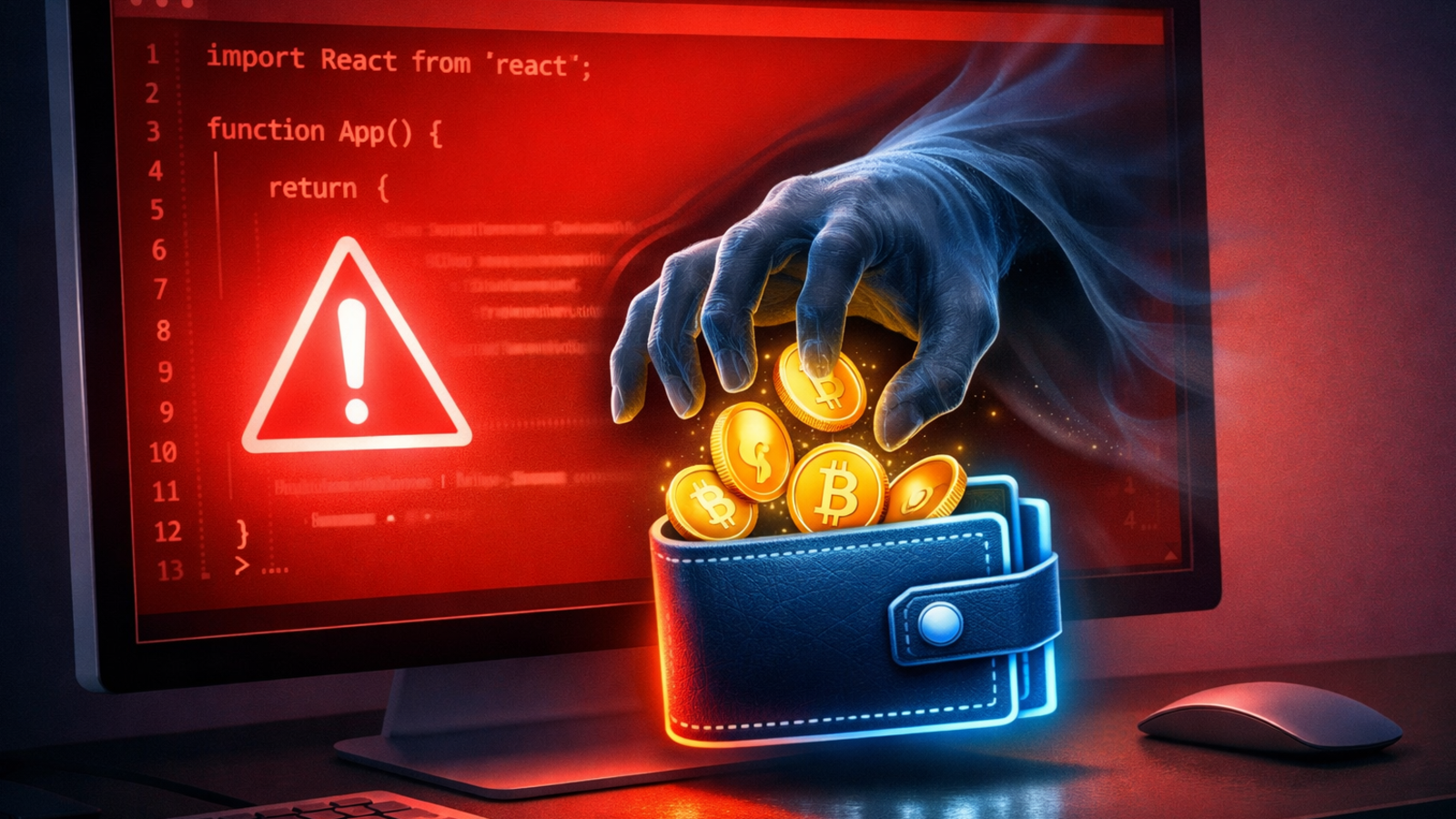
A new wave of quantum computing research is forcing the crypto industry to think less about abstract future danger and more about the exact mechanics of how an attack might work. CoinDesk’s latest report explains that the key risk is not a quantum computer “breaking Bitcoin” all at once, but a future machine being able to derive a private key from a public key quickly enough to steal coins from a live transaction. In the scenario discussed, that window could be around nine minutes, which is close to Bitcoin’s average block interval and turns a theoretical weakness into a practical attack model.
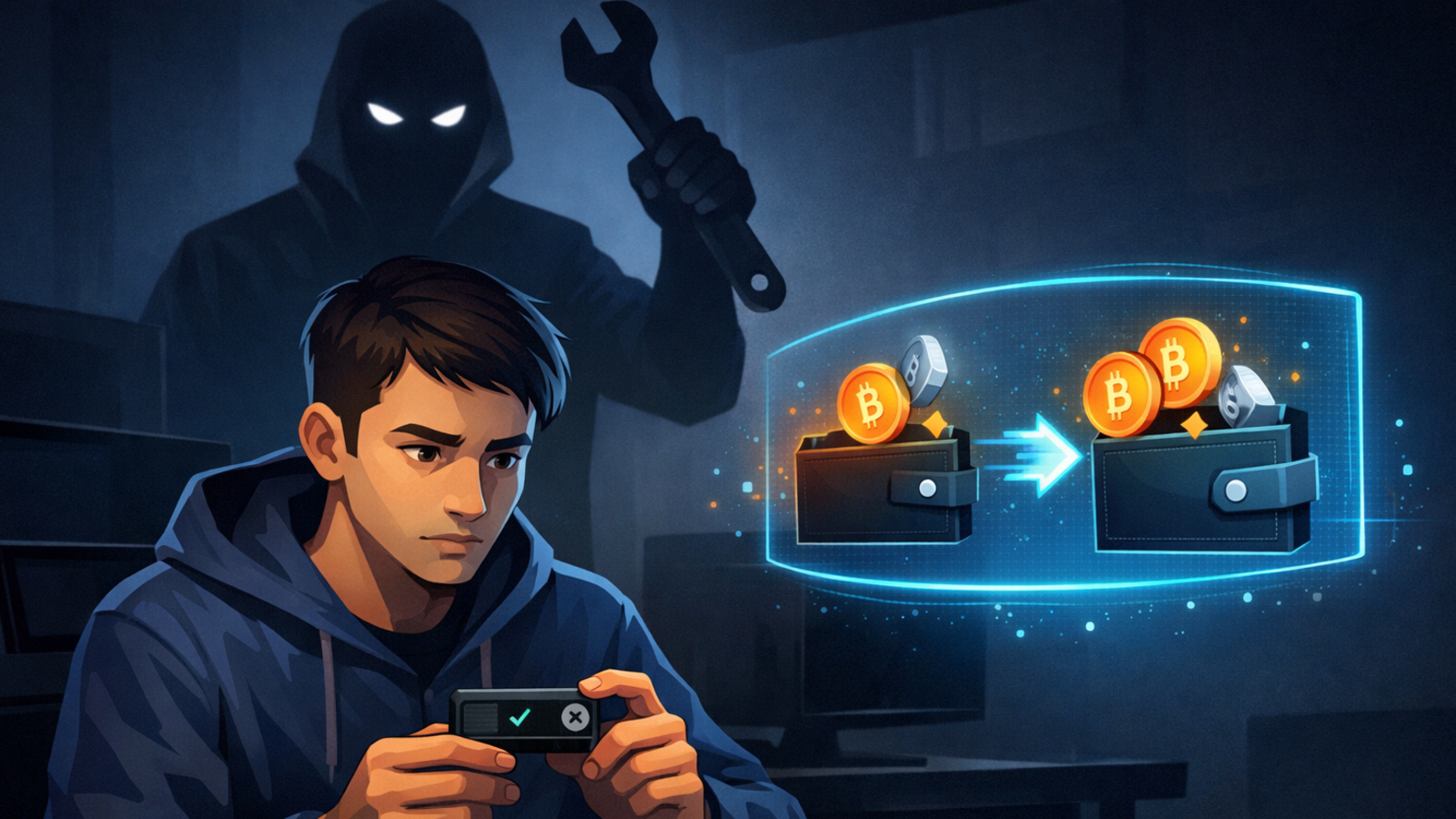
The idea comes from a Google Quantum AI white paper that sharply reduced earlier estimates for the resources needed to attack the elliptic curve cryptography used by Bitcoin and many other systems. Google said future quantum computers may be able to break this cryptography with far fewer resources than previously thought, and outside summaries of the paper note that under certain assumptions a sufficiently advanced machine could recover a private key from an exposed public key in roughly nine minutes. The attack would work by watching the public mempool, spotting a vulnerable transaction, deriving the key before the transaction is finalized, and then issuing a competing transaction that redirects the funds.
That does not mean every bitcoin wallet is equally exposed. The main risk falls on coins whose public keys are already revealed or become visible during spending. Older address types, reused addresses and certain historical coins are the most obvious targets because quantum attacks exploit exposed public keys, not secret keys that have never been revealed onchain. CoinDesk’s earlier coverage of the same research wave noted that this is why the threat is better understood as a selective wallet-drain problem rather than a direct attack on Bitcoin’s mining, consensus or ledger integrity.
The important nuance is timing. Google’s research and the follow-up reporting do not say that such a machine exists today. They say the distance to that capability may be shorter than many people assumed. Google’s own public note frames this as a responsible disclosure issue meant to accelerate migration planning, not to trigger panic. In practical terms, the industry still has time, but the comfort zone is shrinking, especially because protocol-wide cryptographic upgrades take years of coordination, testing and adoption.
So the message is not that Bitcoin is about to be looted tomorrow. It is that the industry now has a more concrete picture of what a real quantum theft could look like: watch a vulnerable spend, race the clock, derive the key, and redirect the coins before confirmation. That makes the challenge much easier to explain and much harder to ignore. The threat remains future-facing, but it is no longer vague. It now has a time window, a mechanism and a clearer reason for developers and wallet providers to move toward post-quantum defenses earlier rather than later.













































































.svg)
.svg)
.svg)
.svg)
.svg)
.svg)