
.svg)

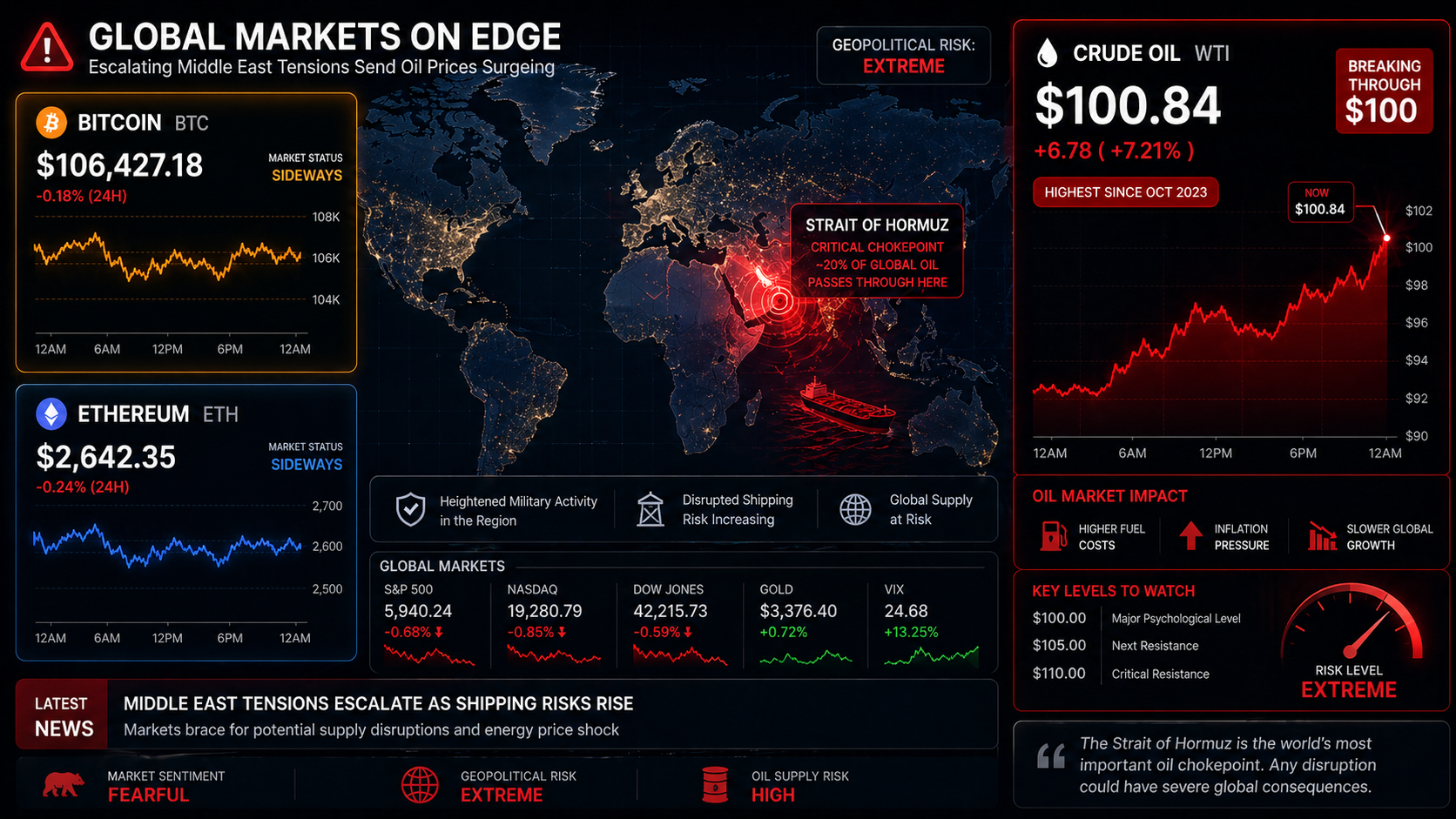
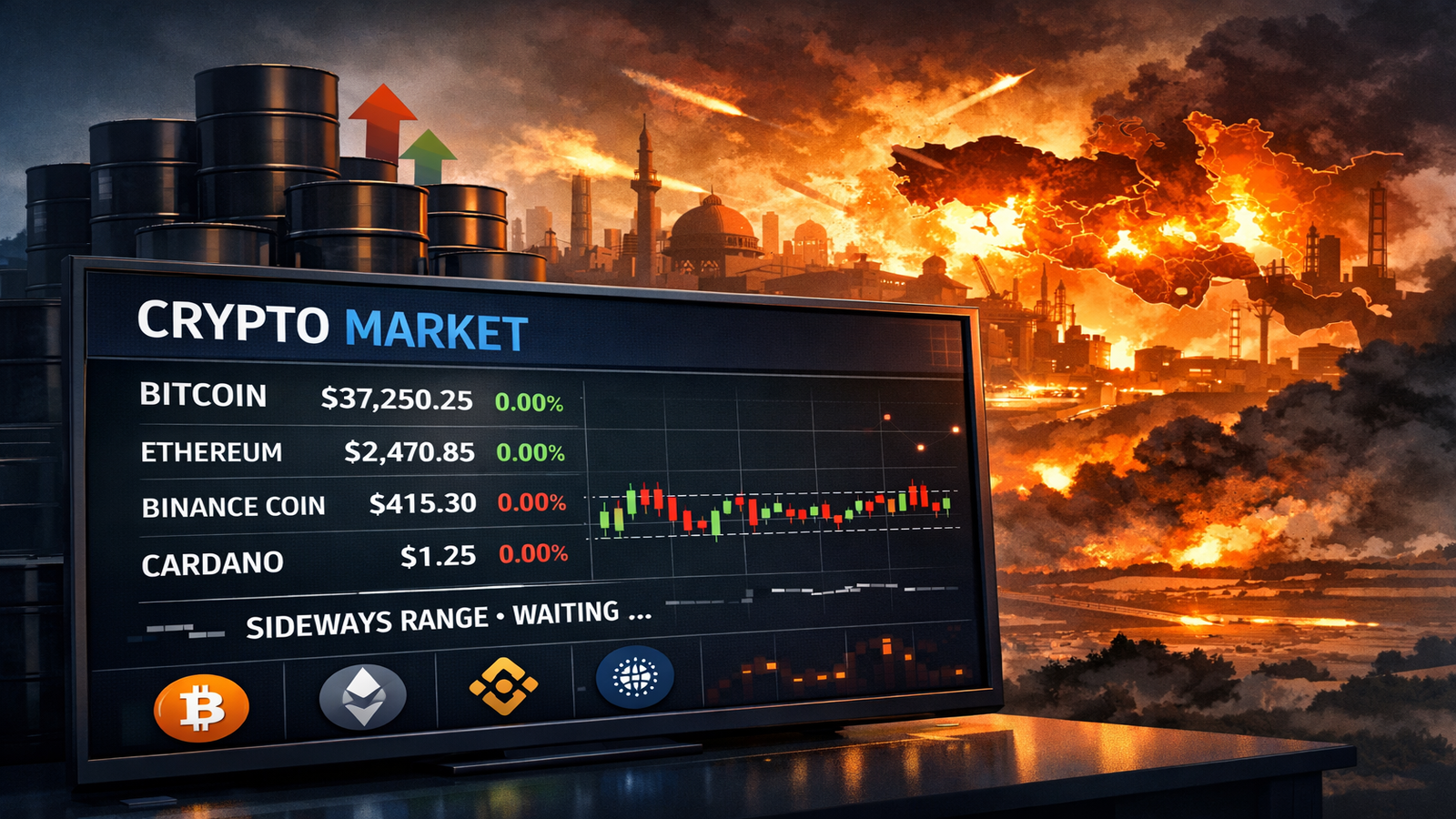
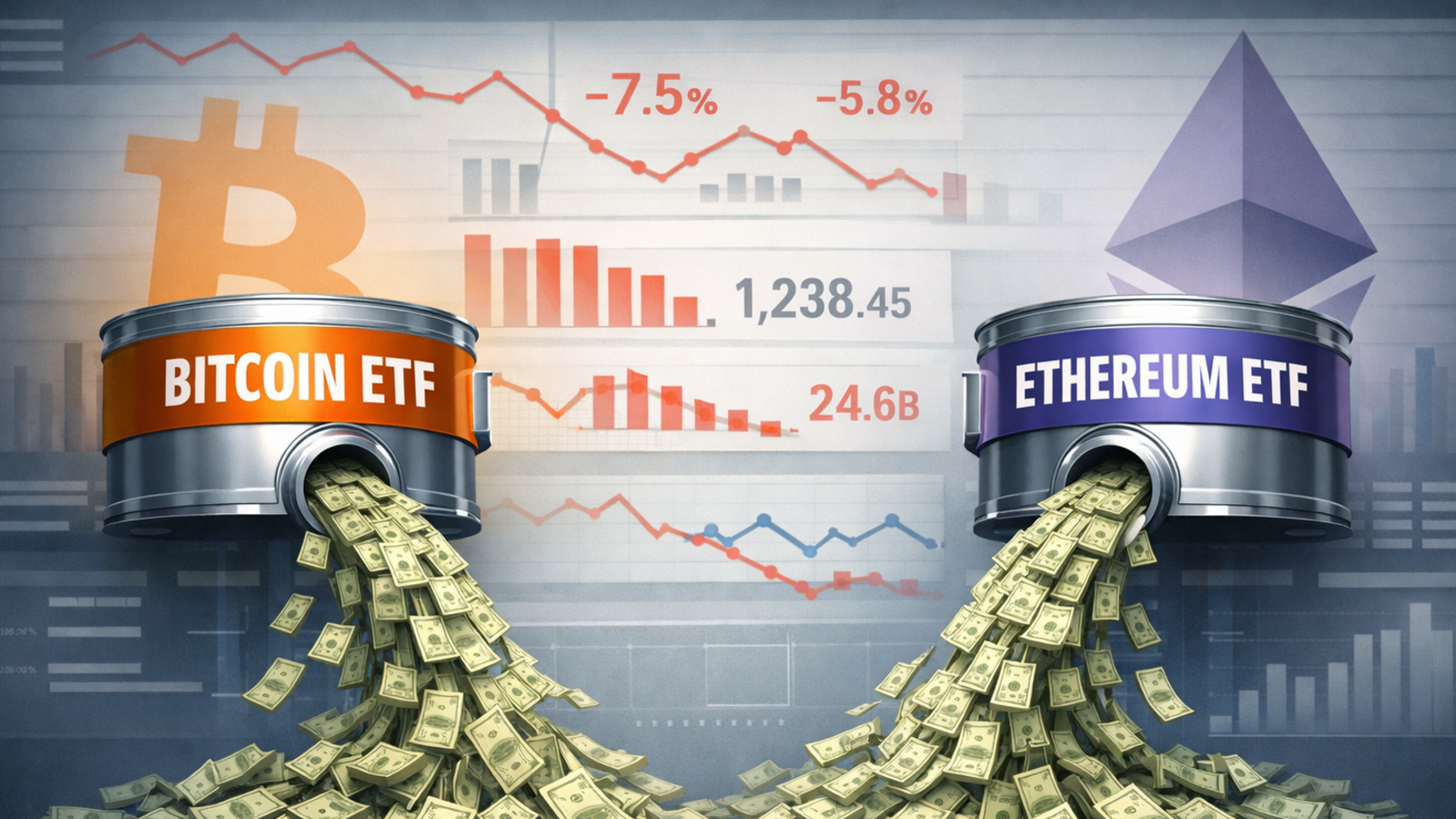
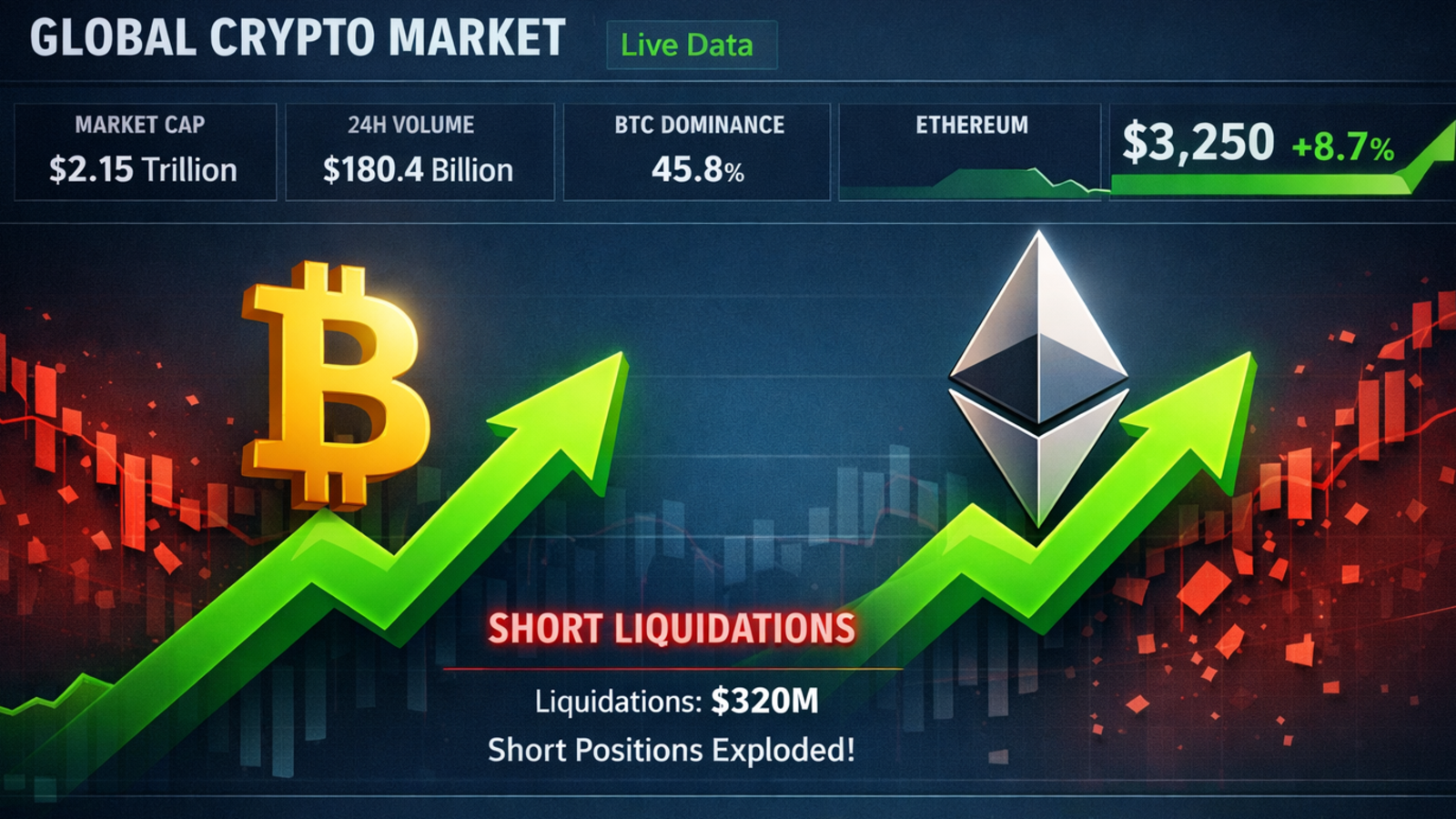
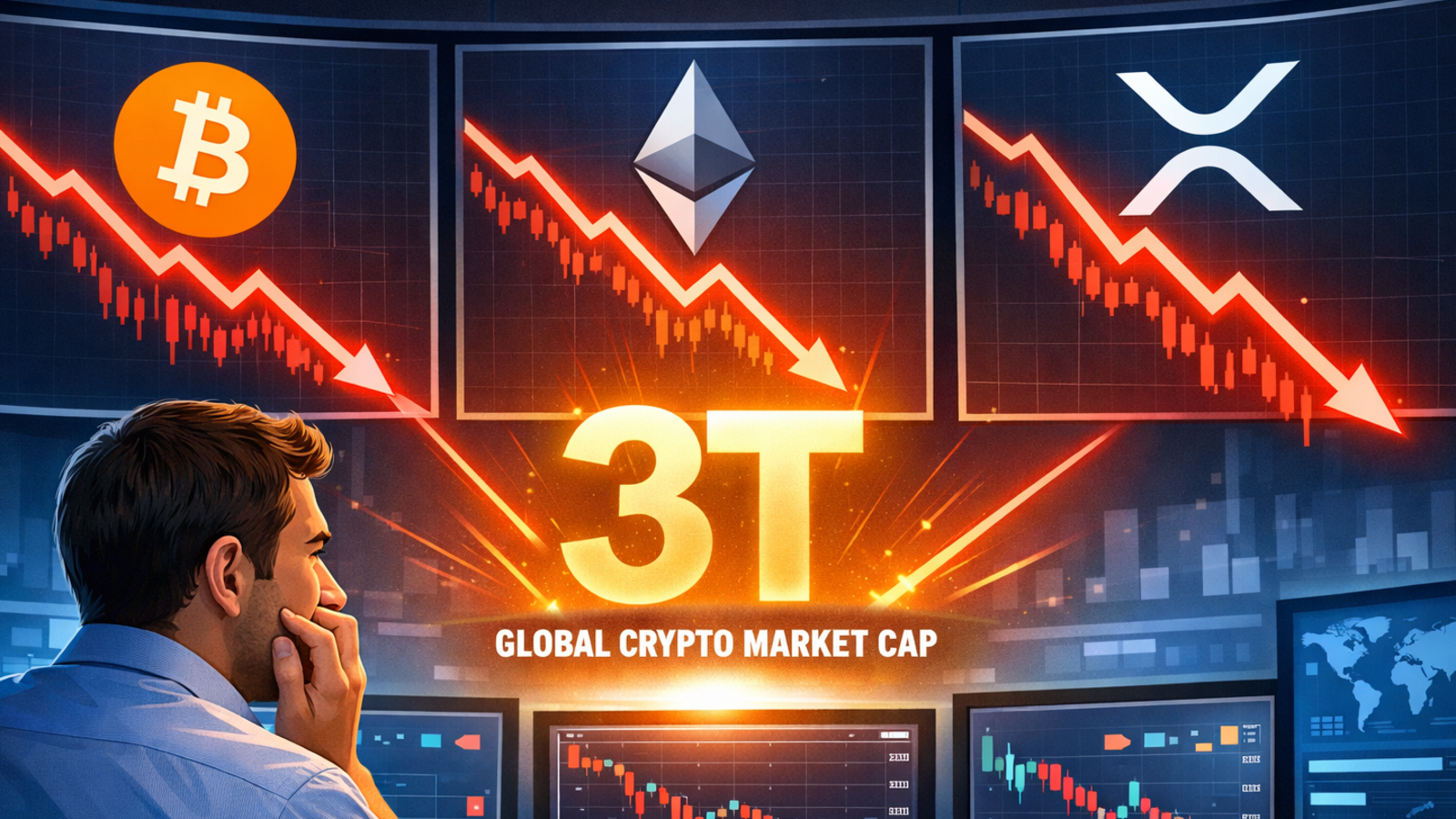
Crypto markets lost momentum as oil surged back above 100 dollars a barrel, with traders stepping away from aggressive positioning after the Strait of Hormuz crisis flared up again. CoinDesk reported that bitcoin and ether both softened as the energy shock pushed investors into a more defensive stance, halting the rebound that had followed the earlier ceasefire headlines.
The macro trigger was the return of disruption around Hormuz, one of the world’s most critical energy chokepoints. Reuters reported that the U.S. moved to blockade traffic tied to Iranian ports after talks failed, while oil prices jumped back above 100 dollars with no quick reopening of the strait in sight. In a separate Reuters report from the same day, physical oil prices in Europe surged even further, with Forties crude hitting a record near 149 dollars a barrel, underscoring how severe the supply stress had become beneath the headline futures move.
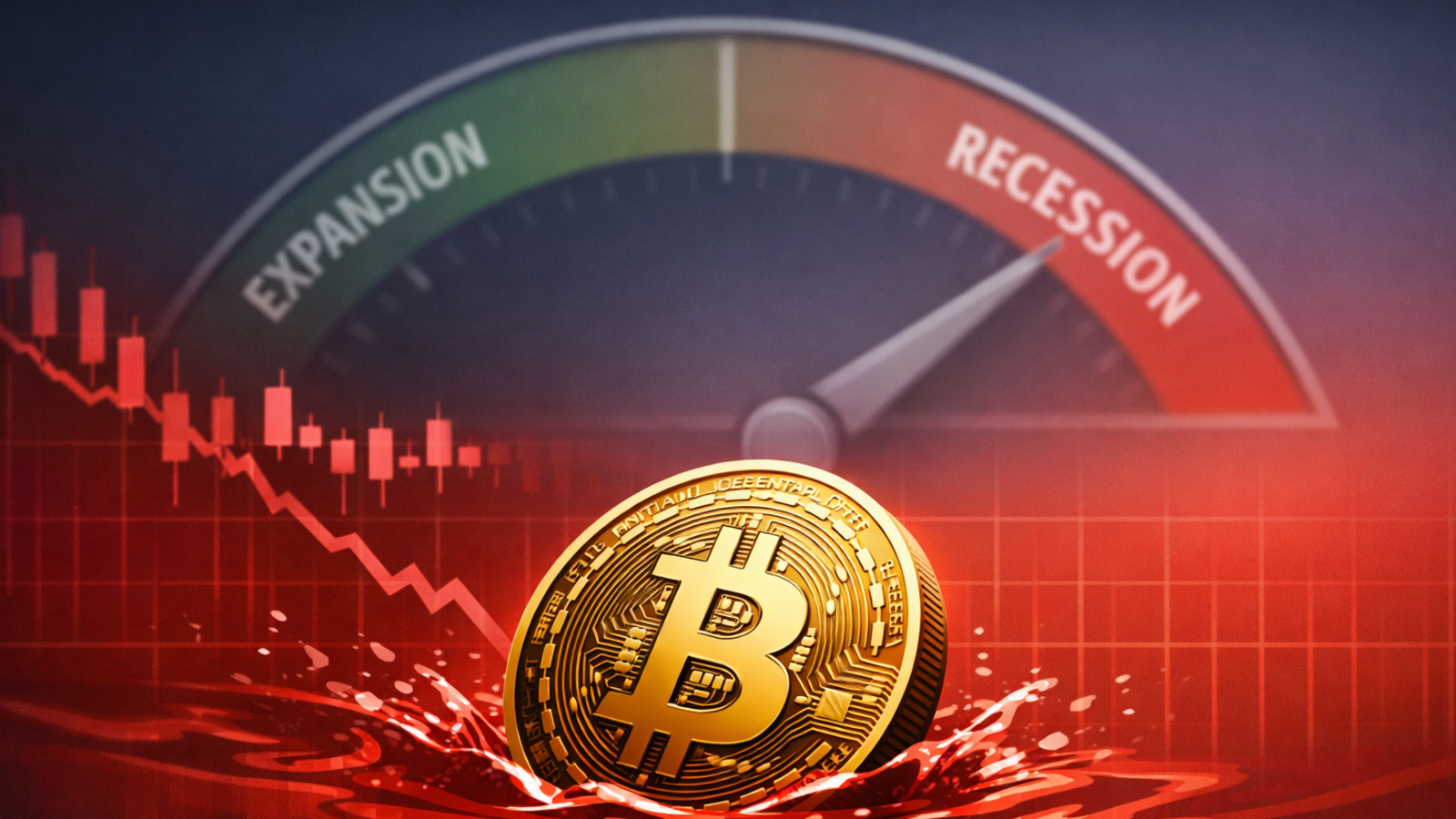
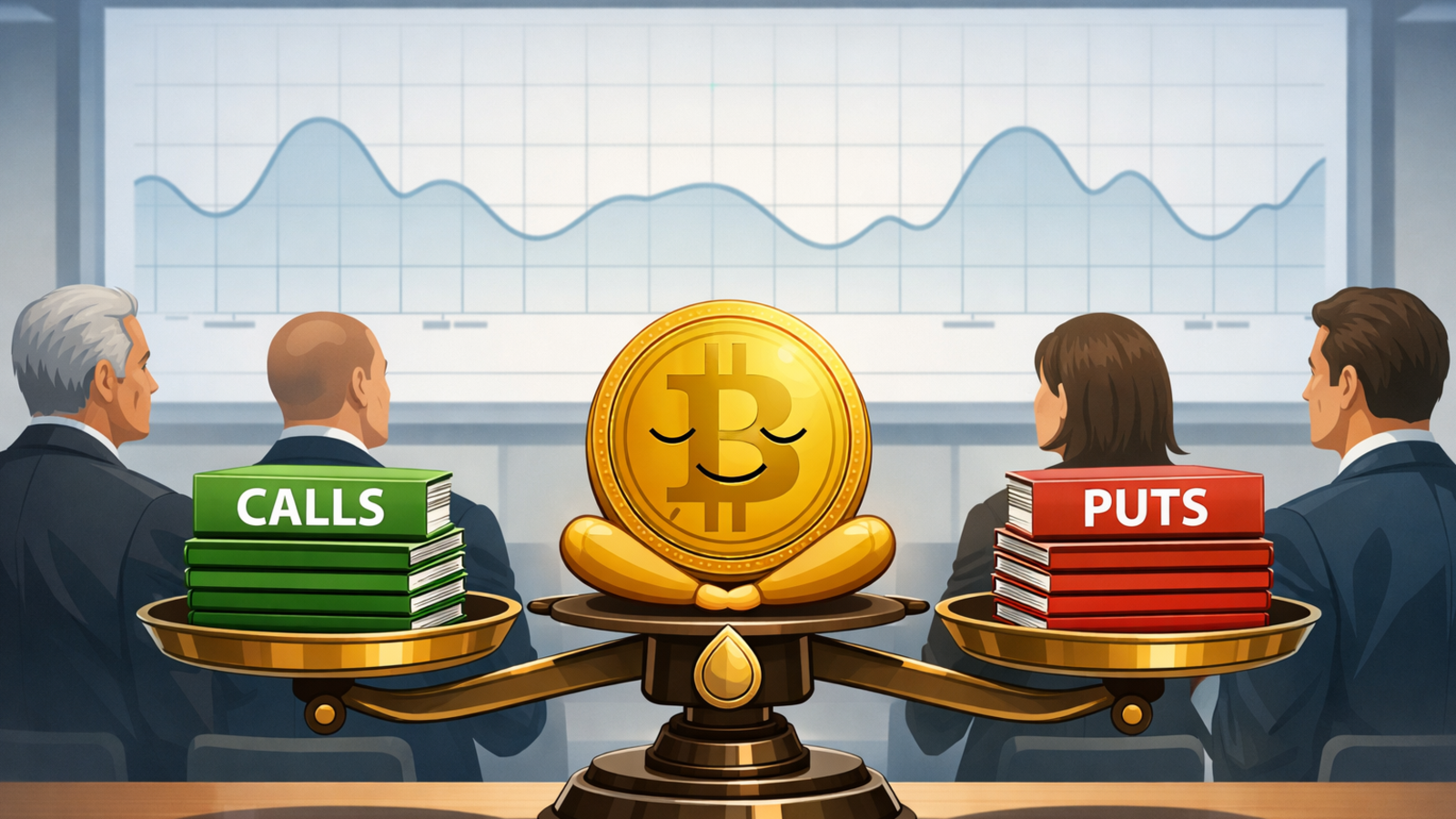
That backdrop matters for crypto because higher oil tends to tighten the whole macro environment. Rising energy costs feed inflation worries, complicate rate-cut expectations and generally weaken demand for speculative assets. CoinDesk framed the pause in bitcoin and ether as part of that exact dynamic, with derivatives positioning turning more cautious as crude strength and Middle East risk overshadowed crypto-specific narratives.
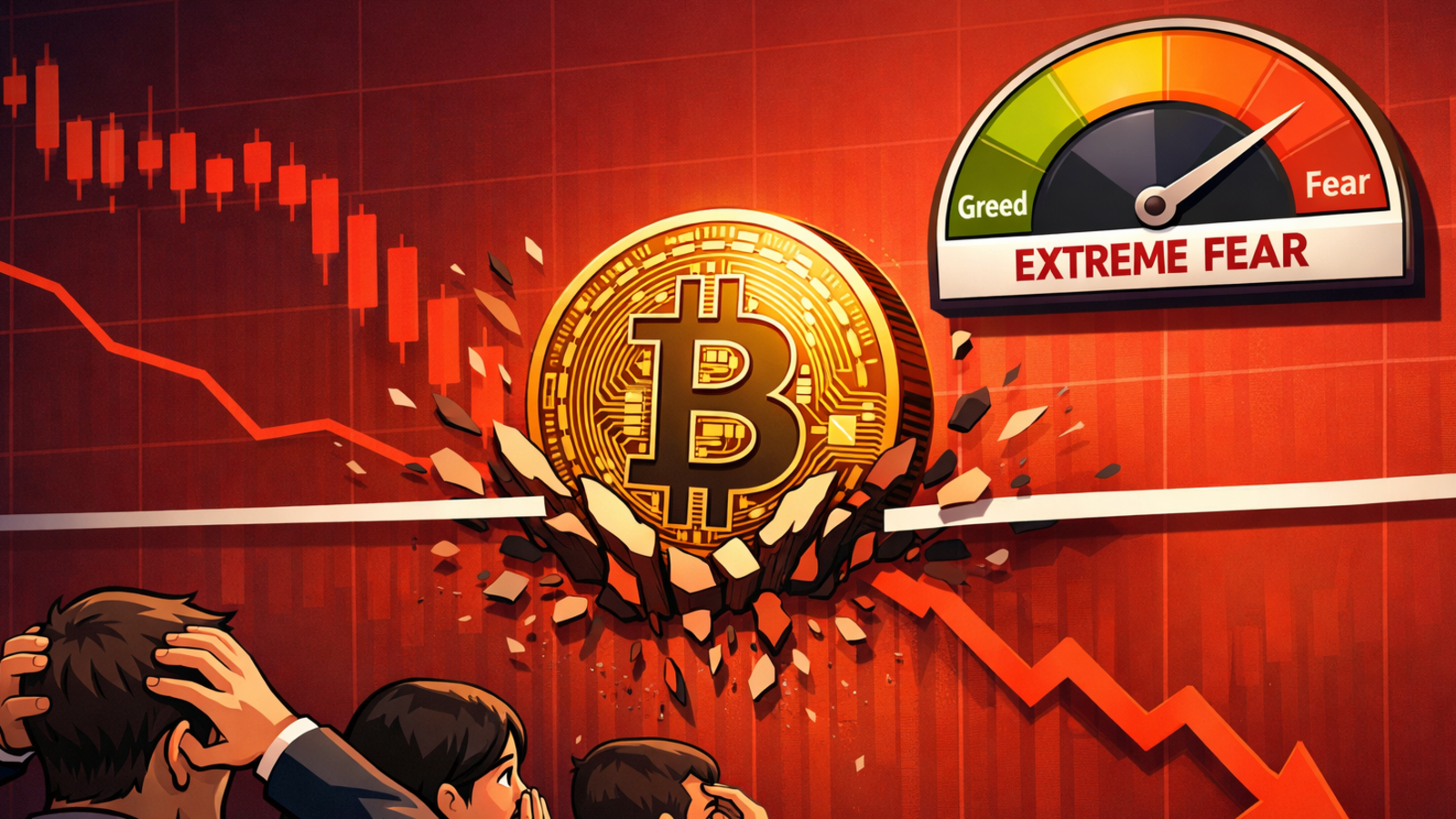
The move did not look like outright capitulation, but it clearly showed the market’s nerves. Instead of chasing upside, investors appeared content to wait for clearer signals on whether the Hormuz disruption would ease or become a longer-lasting economic problem. That hesitation fits the wider tone in global markets that day, where oil strength and geopolitical uncertainty kept risk appetite under pressure even as traders searched for signs that the conflict might eventually stabilize.
The broader takeaway is that crypto was trading as part of the global macro complex, not in isolation. As long as oil remains elevated and the Strait of Hormuz situation threatens fresh supply shocks, digital assets are likely to stay sensitive to the same inflation and growth fears hitting other risk markets. For that session at least, the story was simple: crude took center stage, and crypto moved into wait mode.






























































.svg)
.svg)
.svg)
.svg)
.svg)
.svg)