
.svg)

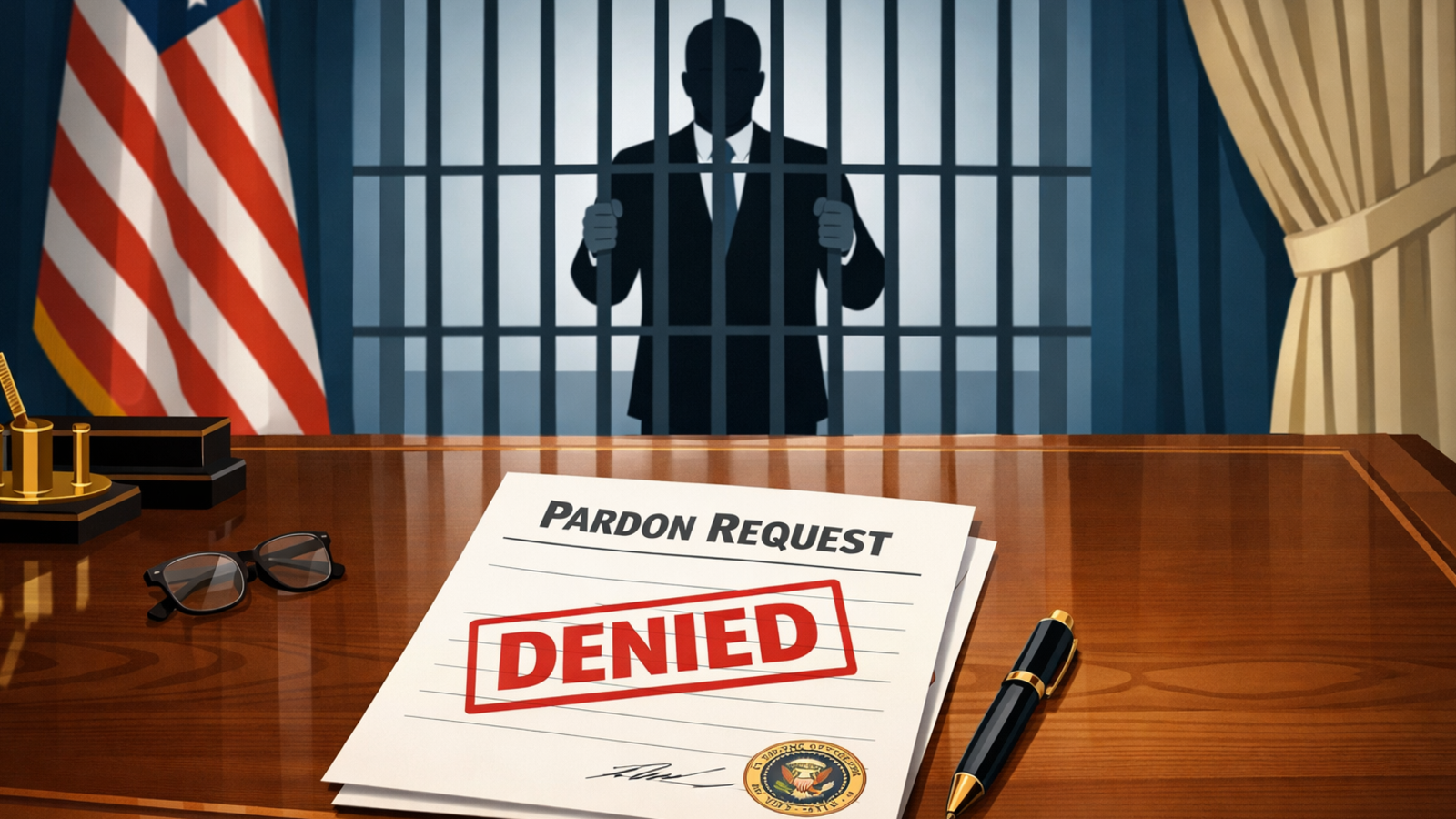
President Donald Trump has shut down speculation that he might use his pardon powers to help Sam Bankman-Fried, the jailed founder of collapsed crypto exchange FTX. In a recent interview with the New York Times, Trump said he has no intention of granting clemency to Bankman-Fried, who is serving a 25 year federal sentence for fraud and conspiracy related to the multibillion dollar FTX implosion. He added that he also does not plan to intervene on behalf of music executive Sean “Diddy” Combs or Venezuela’s Nicolás Maduro, grouping their cases together as ones he will not touch.
Bankman-Fried was convicted in 2023 on seven criminal counts after prosecutors showed how customer funds were siphoned from FTX to plug losses at sister trading firm Alameda Research. He received a 25 year sentence in March 2024 and was ordered to forfeit more than 11 billion dollars, a judgment he is now appealing. Over the past year he has tried to keep a public voice through messages posted on X by a friend and has repeatedly hinted at hopes for leniency or a political change that might soften his situation, including comments praising other controversial pardons. Trump’s remarks make clear that, at least for now, the White House is not considering that path.
The decision lands against a broader backdrop where Trump has embraced bitcoin and the digital asset industry more openly, courting miners and ETF issuers and casting the United States as a potential leader in crypto. Even so, Bankman-Fried remains a uniquely toxic figure in Washington and on Wall Street after FTX’s collapse vaporized billions in customer funds and triggered a wave of regulatory and criminal cases across the sector. Refusing to pardon him allows Trump to maintain a tough-on-fraud stance while still pushing a generally pro crypto agenda.
For investors, the signal is less about FTX itself, which is already in bankruptcy court, and more about how U.S. leaders plan to separate support for digital assets from sympathy for high profile offenders. With Bankman-Fried likely to serve much of his 25 year term unless courts ease the sentence on appeal, the message from the Oval Office is that even a politically connected former billionaire should not expect a shortcut out of prison through a presidential signature.























































































.svg)
.svg)
.svg)
.svg)
.svg)
.svg)