
.svg)


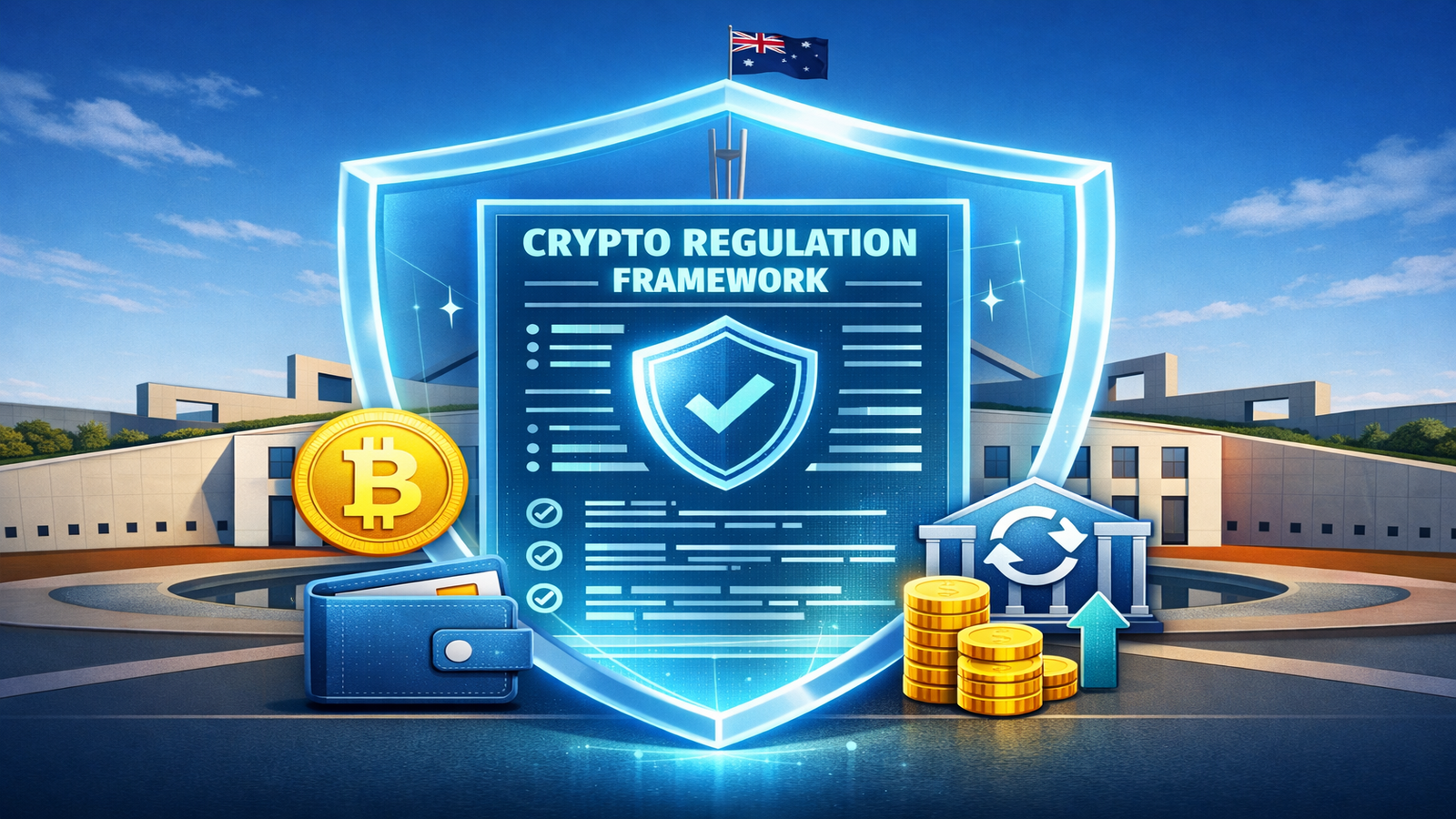
The United Arab Emirates has pushed through a sweeping overhaul of its banking law that pulls digital assets and decentralized finance into the same supervisory framework as traditional finance. The goal is to tighten control of crypto while marketing the country as a global hub for financial innovation built on blockchain.
Federal Decree Law No. 6 of 2025 was signed in September and made public this week. It replaces the previous Central Bank framework and gives the Central Bank of the UAE authority over any crypto or blockchain business operating in or from the country. All such entities must now be licensed by the CBUAE and face potential fines of up to 1 billion dirhams, around 272 million dollars, if they operate without approval.
The scope of the law is intentionally broad. It brings virtual assets, DeFi protocols, stablecoins, tokenized real world assets, decentralized exchanges, wallets, bridges and wider blockchain infrastructure under central bank oversight. Legal experts note that simply running open source code or claiming to be fully decentralized will not exempt a protocol from licensing, and even middleware or infrastructure that enables custody, payments or tokenization may fall under the Central Bank’s reach. At the same time, lawyers caution that it is still early to judge exactly how this will play out for DeFi builders on the ground.
To balance tighter control with encouragement of innovation, the decree commits the authorities to faster turnaround on applications and more tailored prudential rules. The law promises licensing decisions within 60 days, introduces risk based capital requirements and grants existing players a one year grace period until September 2026 to come into line with the new regime. It also adds new licensable categories such as virtual asset payment services, open finance platforms and digital wallets, alongside stronger fraud protections and a fast track dispute channel for claims up to 100,000 dirhams.
A key feature is its attention to Islamic finance. The statute reinforces Shariah governance around digital products, creating clearer space for Islamic DeFi and tokenized sukuk, the Islamic bond structures that are increasingly being issued on chain. Global sukuk sales reached about 65.6 billion dollars last year and some forecasts see the market expanding toward 2.5 trillion dollars by 2029, making this an important growth area for the Gulf. With Europe’s MiCA framework still rolling out, the UAE now has one of the most detailed national rulebooks that treats digital assets as core financial instruments, which officials hope will cement the country’s role as a preferred base for regulated crypto activity.

























































































.svg)
.svg)
.svg)
.svg)
.svg)
.svg)