
.svg)


Bitcoin miner Bitdeer has cleared out its corporate bitcoin reserves to zero and is redirecting the proceeds into artificial intelligence and high performance computing infrastructure. Company updates show that as of 20 February 2026 Bitdeer held no self owned BTC, excluding customer deposits. In the final week of selling the firm offloaded 943.1 bitcoin from its treasury along with 189.8 bitcoin produced during that period, finishing an eight week process that began from roughly 2,000 BTC at the end of 2025.
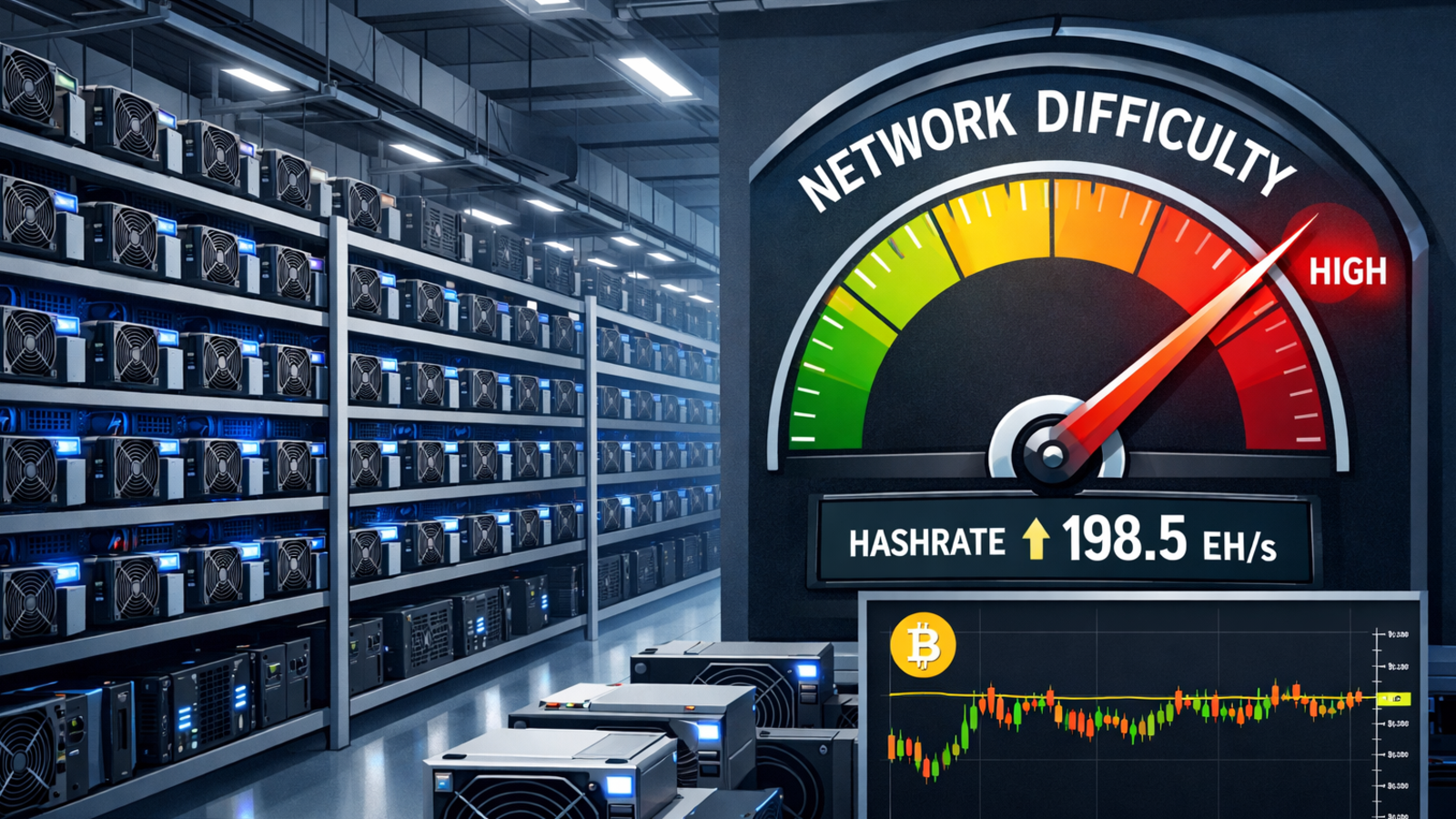
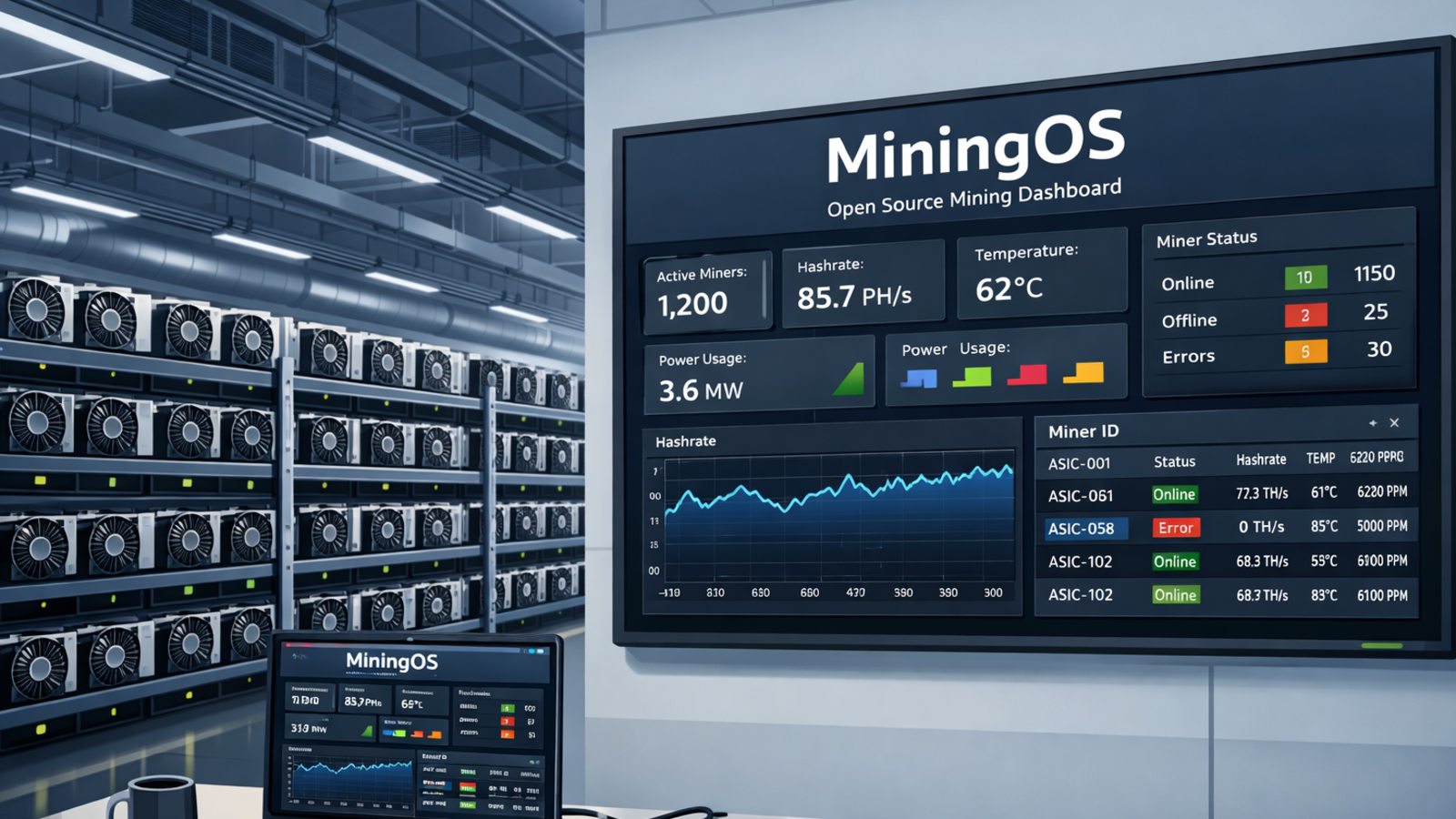
Management is presenting the move as a strategic pivot rather than a loss of faith in bitcoin. Bitdeer says turning mined coins directly into cash gives it the liquidity to buy powered land and build out new facilities for AI and high performance computing. At the same time the company insists that core mining operations are still expanding. In January it mined 668 BTC, which is about 430 percent more than a year earlier, and reported total proprietary hash rate of roughly 65.1 exahash per second, placing it among the fastest growing public miners by capacity.
The capital freed up from selling more than 1,100 BTC, worth around 60 million dollars at recent prices, sits alongside a 325 million dollar convertible note deal and a 43.5 million dollar equity raise that Bitdeer has earmarked for new data centers and AI cloud services. The company is rolling out Nvidia GB200 NVL72 systems in Malaysia and is converting several sites in the United States and Europe from pure bitcoin mining into GPU heavy AI data centers. Executives argue that long term contracts for AI and high performance computing can provide steadier revenue than the highly cyclical income that depends on bitcoin price, difficulty and halving events.
Bitdeer’s decision also reflects pressure across the mining sector after the 2024 halving cut block rewards to 3.125 BTC and squeezed profit margins. Analyst reports describe a broader industry shift in which miners lean less on hoarding coins as a show of conviction and more on using every bitcoin they produce to fund infrastructure that can earn fees from AI workloads. Firms such as Riot Platforms, Bitfarms and MARA have all announced their own AI or high performance computing expansions, using their power contracts and data center experience as a bridge into a more diversified business model.
For investors the change is significant because Bitdeer no longer behaves like a leveraged bitcoin treasury play similar to Strategy, which has used its balance sheet to accumulate coins. Instead Bitdeer is asking the market to value it as a digital infrastructure company whose upside depends on demand for AI compute as much as on future bitcoin cycles. Whether that bet pays off will depend on how quickly it can fill new facilities with high quality tenants and how long the current surge in AI infrastructure spending lasts.






























































.svg)
.svg)
.svg)
.svg)
.svg)
.svg)