
.svg)


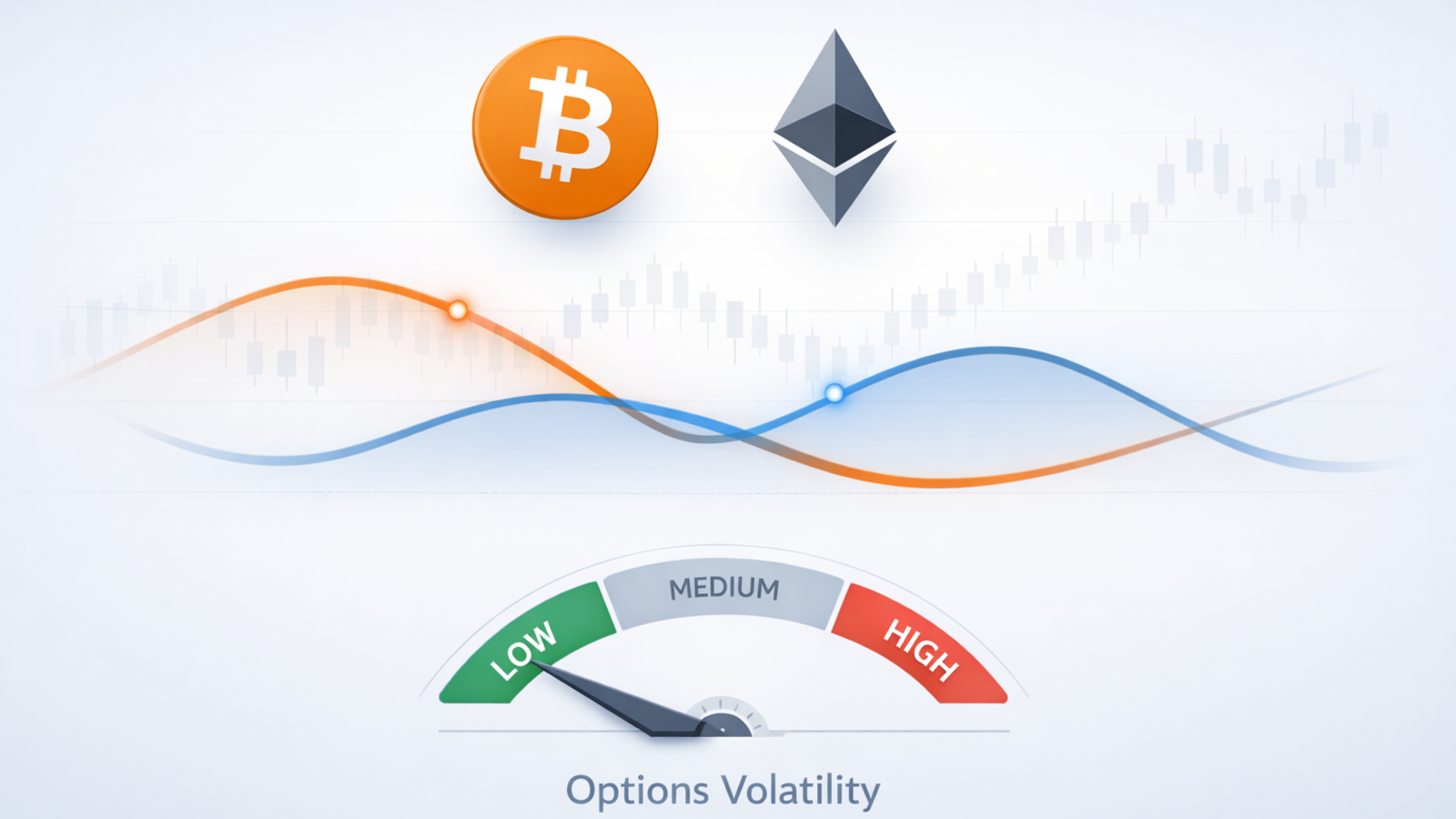
Silver has stolen the volatility spotlight from bitcoin as 2025 draws to a close, with traders increasingly using the metal rather than crypto to express macro views. Over the past month, bitcoin’s 30 day realized volatility has slipped into the mid 40 percent range and now sits below its 12 month average near 48 percent, a sign that BTC is stuck in a relatively tight, low conviction range compared with earlier in the year.
Silver, by contrast, has seen realized volatility jump into the mid 50s on the back of a powerful rally. The metal is up more than 150 percent year to date, driven by a squeeze in physical supply and strong industrial demand from solar panels, electric vehicles and electronics. China’s decision to introduce export licensing on silver from January 1 has added to the pressure, helping push spot prices in hubs like Shanghai and Dubai 10 to 14 dollars above benchmark COMEX quotes and sending the London forward curve into steep backwardation, a classic signal of near term scarcity.
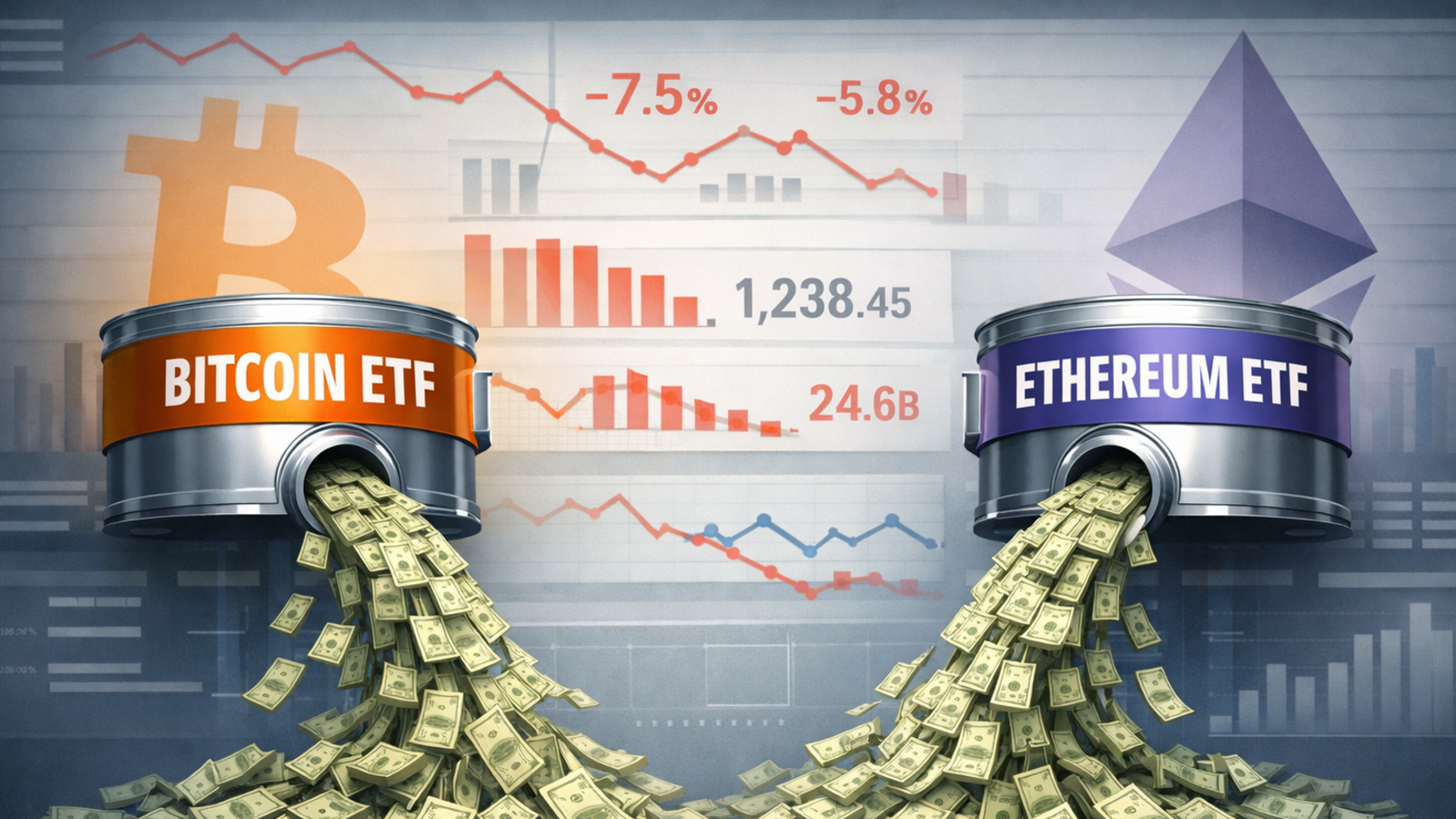
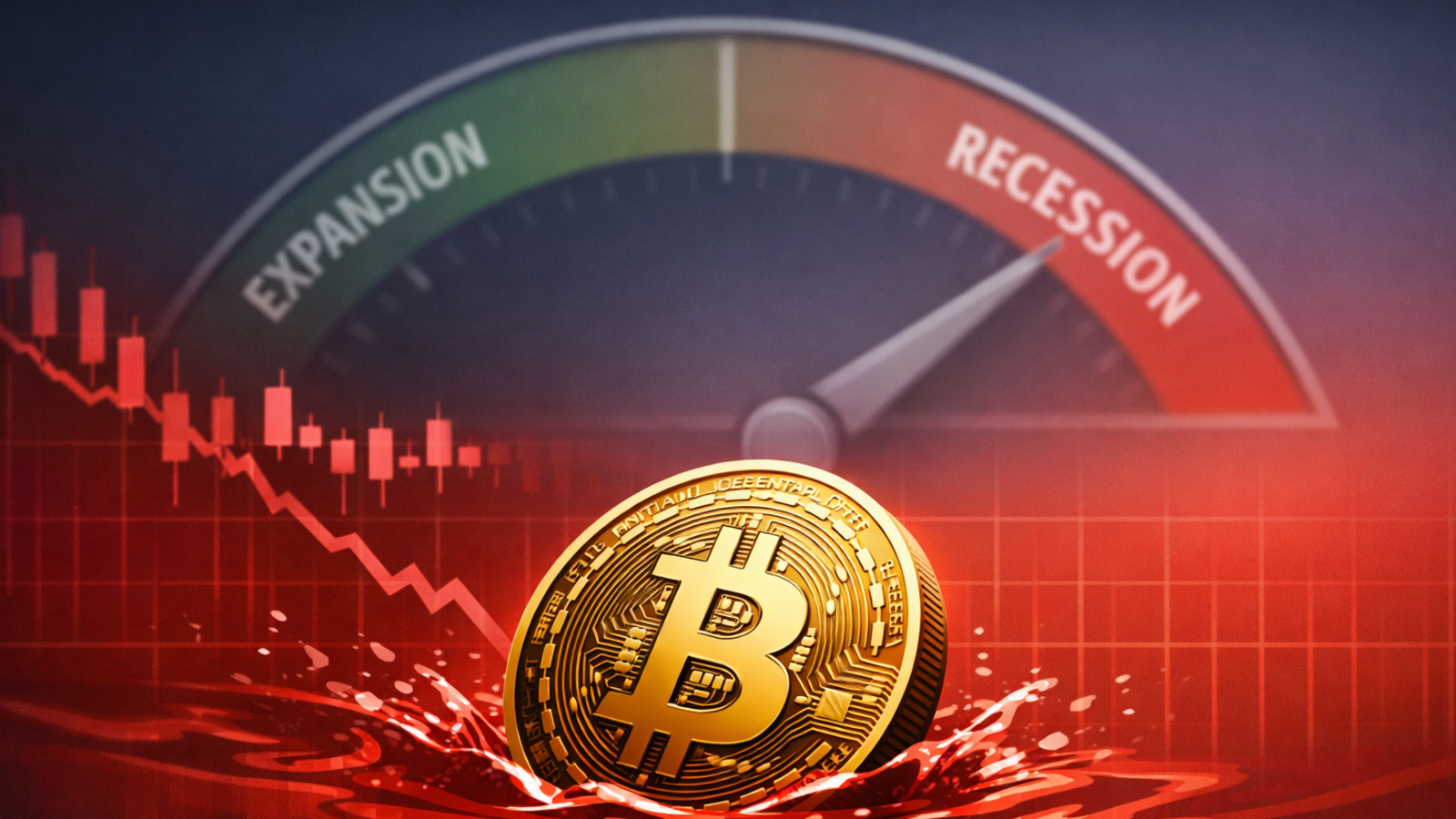
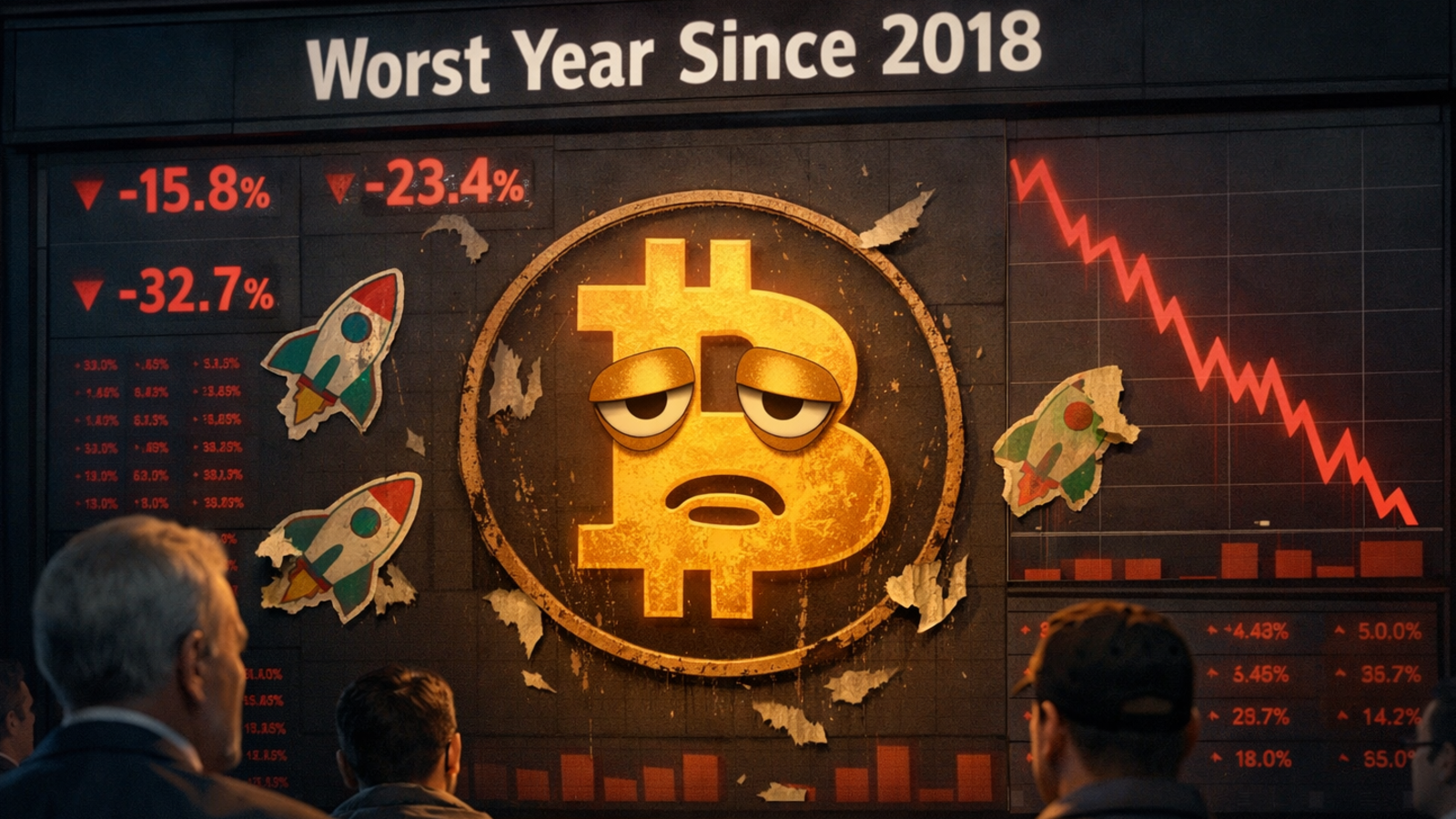
The divergence in volatility lines up with overall performance. While silver has raced higher, bitcoin is still down roughly 7 percent on the year and trades about 30 percent below its October record above 126,000 dollars. Analysts point to fading demand for spot bitcoin ETFs, the cooling of earlier “digital gold” and data availability narratives, and mechanical effects from the October 10 crash, which triggered auto deleveraging and knocked investor confidence. Research from firms such as QCP Capital says the current BTC range is being shaped more by options expiries and thin holiday liquidity than by a strong directional view from either bulls or bears.
Options and prediction markets tell a similar story. QCP notes that the latest options expiry wiped out around half of bitcoin open interest, leaving significant capital on the sidelines and reinforcing the lack of commitment to big new bets. On Polymarket, contracts tied to silver prices through late January show traders expecting the metal to stay elevated rather than crash, while bitcoin markets assign high odds that BTC holds a broad trading band with only modest probability of a near term breakout. In other words, markets are currently pricing silver as the more dynamic trade while treating bitcoin as a slow moving asset digesting a long rally.
For macro focused investors, the shift underlines how 2025 has reshuffled the usual playbook. Gold and silver have taken the lead as high octane hedges against inflation and policy risk, while bitcoin has behaved more like a risk asset consolidating after a strong multi year run. That does not rule out a renewed burst of crypto volatility once liquidity returns and new catalysts emerge, but for now the data is clear. When traders want to express big views on the state of money and the economy at year end, they are casting their vote through the metals market more than through BTC.



































































.svg)
.svg)
.svg)
.svg)
.svg)
.svg)