
.svg)

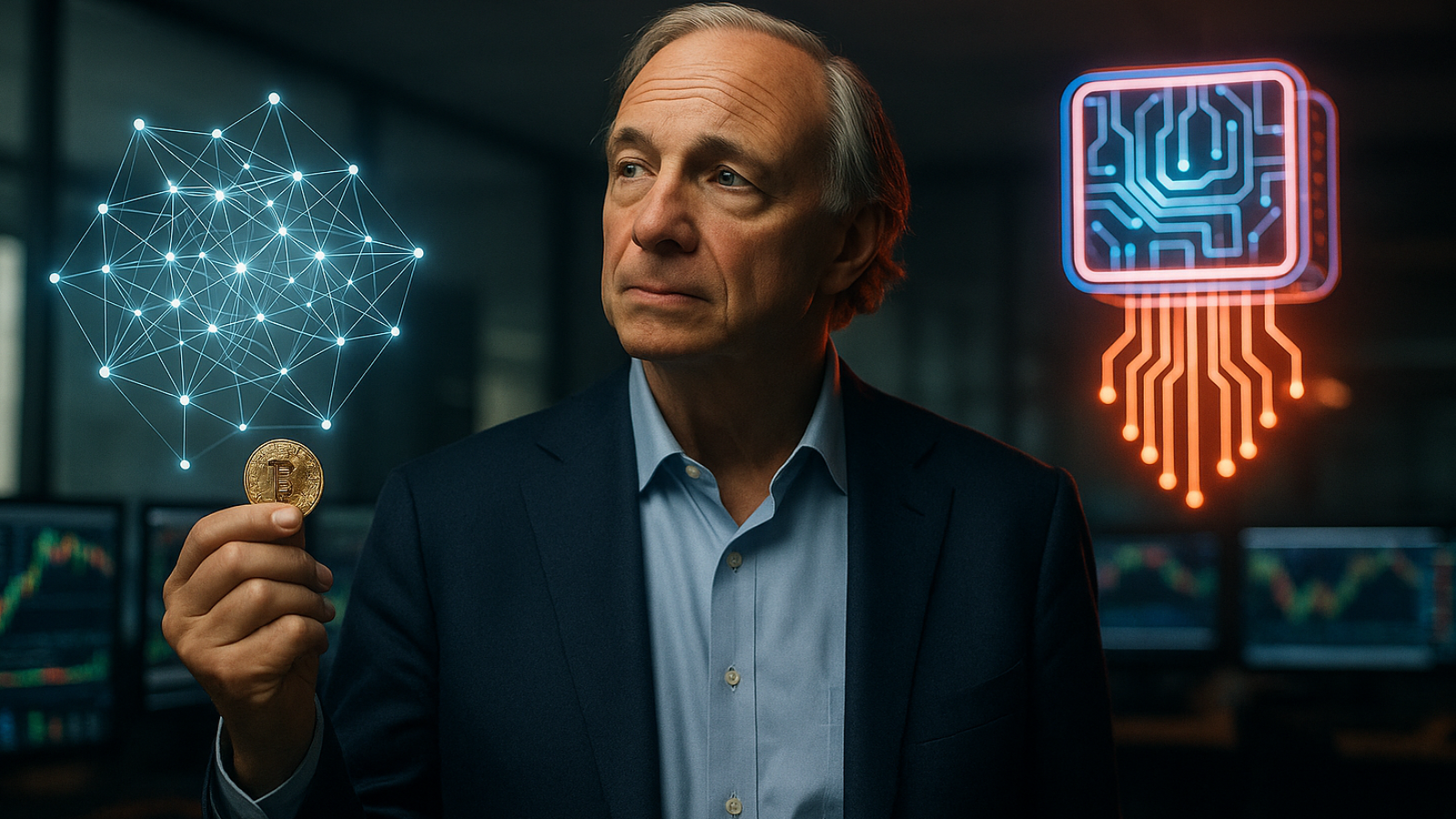
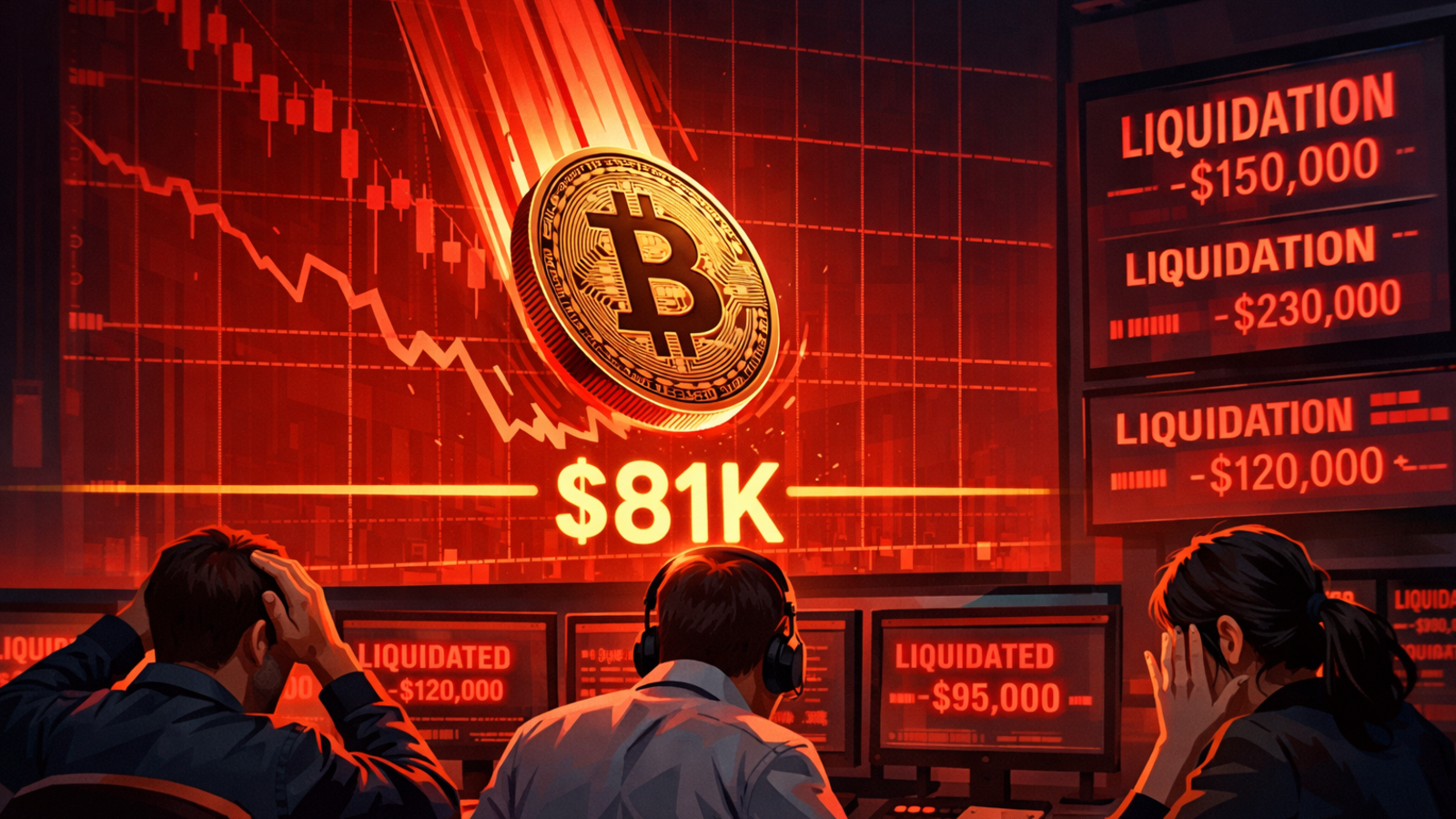
Billionaire investor Ray Dalio is still in the Bitcoin camp, but only with a toe in the water. The founder of Bridgewater Associates recently reiterated that around 1% of his portfolio has been allocated to BTC for years and that this share has stayed broadly unchanged even as the asset has pushed toward new highs near 89,000 dollars. For him, Bitcoin is a permanent but small position rather than a core pillar of his wealth.
Dalio pairs that modest exposure with a clear list of concerns. He argues that Bitcoin faces structural obstacles if it ever wants to function as a true reserve asset for major governments. The public ledger makes transactions traceable and transparent, which in his view runs against how states like to operate when it comes to reserves and strategic flows of capital. On top of that he points to the long term risk that future quantum computers could break the cryptographic assumptions behind current systems, creating the possibility that digital assets such as Bitcoin might one day be vulnerable to powerful new forms of attack unless they migrate to quantum resistant designs.
These worries flow directly into his portfolio advice. Dalio has urged investors to hold a meaningful slice of their net worth in what he calls hard currencies, with a rough guideline of around 15% spread across assets like gold and Bitcoin. Even so he makes it clear that he favors bullion over BTC, stressing that gold is a tangible asset that can be held directly and does not depend on a digital network, validators, or encryption standards that might need to be upgraded in the face of new technology. Bitcoin, in his framing, plays more of an experimental and diversifying role rather than acting as the anchor of a long term reserve strategy.
Beyond crypto, Dalio is focused on what he sees as mounting risks in the wider financial system. His long running bubble indicator, which tracks factors such as leverage, money supply, valuations, and wealth concentration back to 1900, now suggests the United States is roughly 80% of the way into a speculative bubble. He compares the current environment to conditions before the 1929 crash and the dot com bust of 2000 and has recently linked this to the surge in technology and artificial intelligence related stocks, where enthusiasm and high prices are running far ahead of what he considers sustainable fundamentals.
Put together, Dalio’s stance is cautious rather than hostile. He is willing to own a small slice of Bitcoin as a kind of digital gold and as a hedge within a broader mix of assets, yet he doubts it will become the backbone of the global monetary system unless issues around traceability and future quantum security are addressed. At the same time he keeps reminding investors that the bigger story may be the late stage feel of today’s markets, where diversification, resilience, and exposure to time tested stores of value matter more than chasing the next spike in price charts.


















































.svg)
.svg)
.svg)
.svg)
.svg)
.svg)