
.svg)

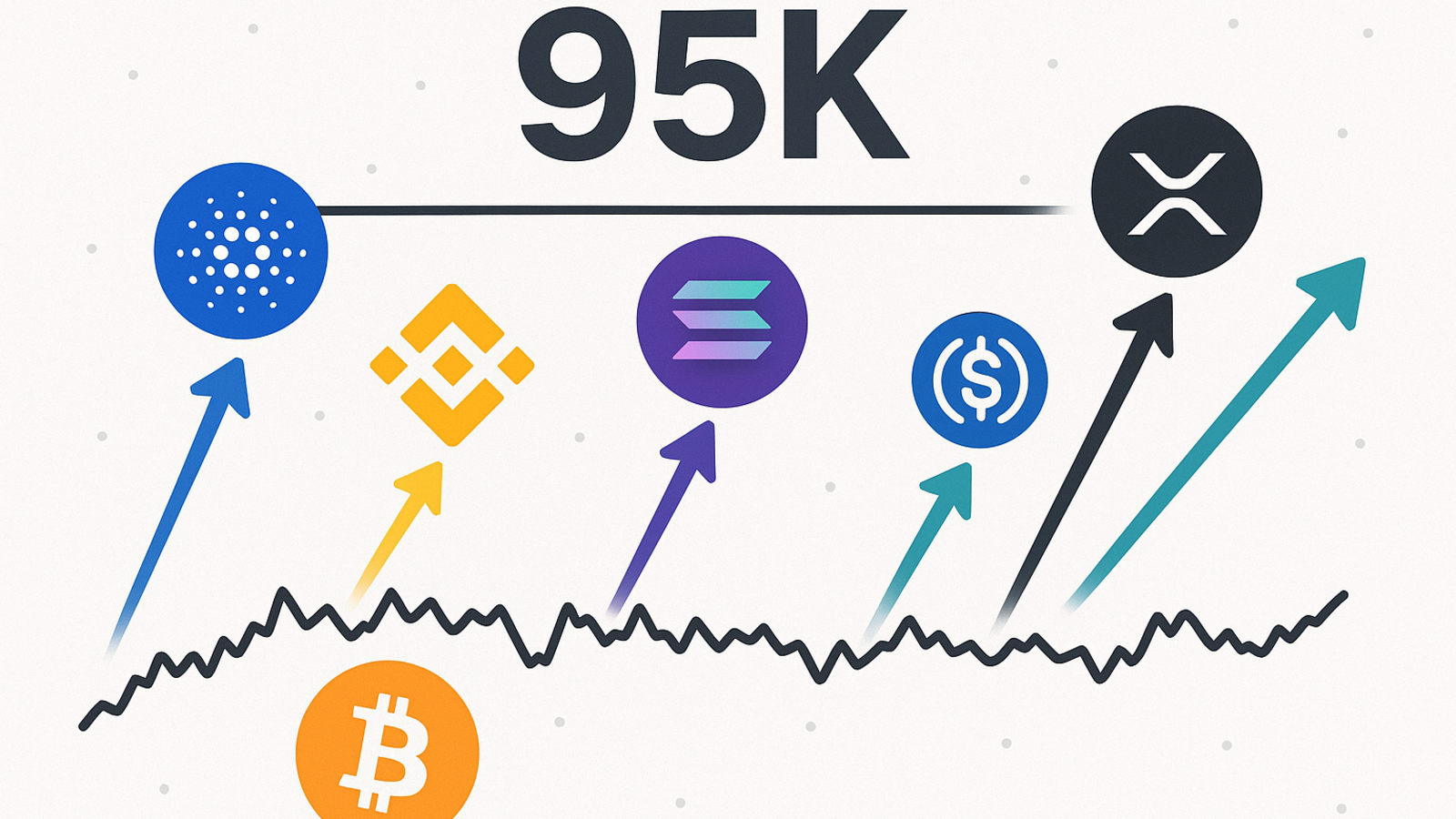
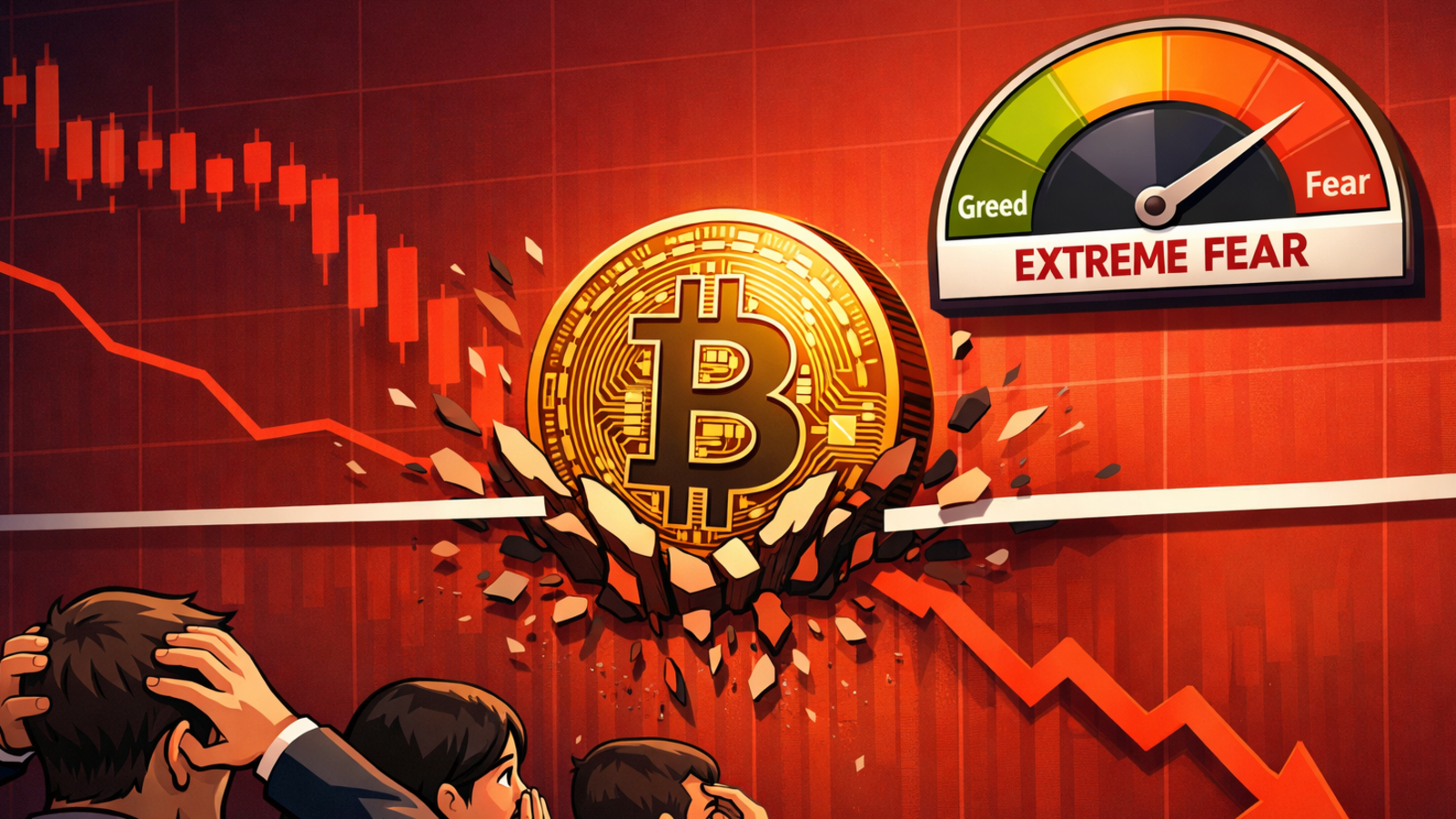
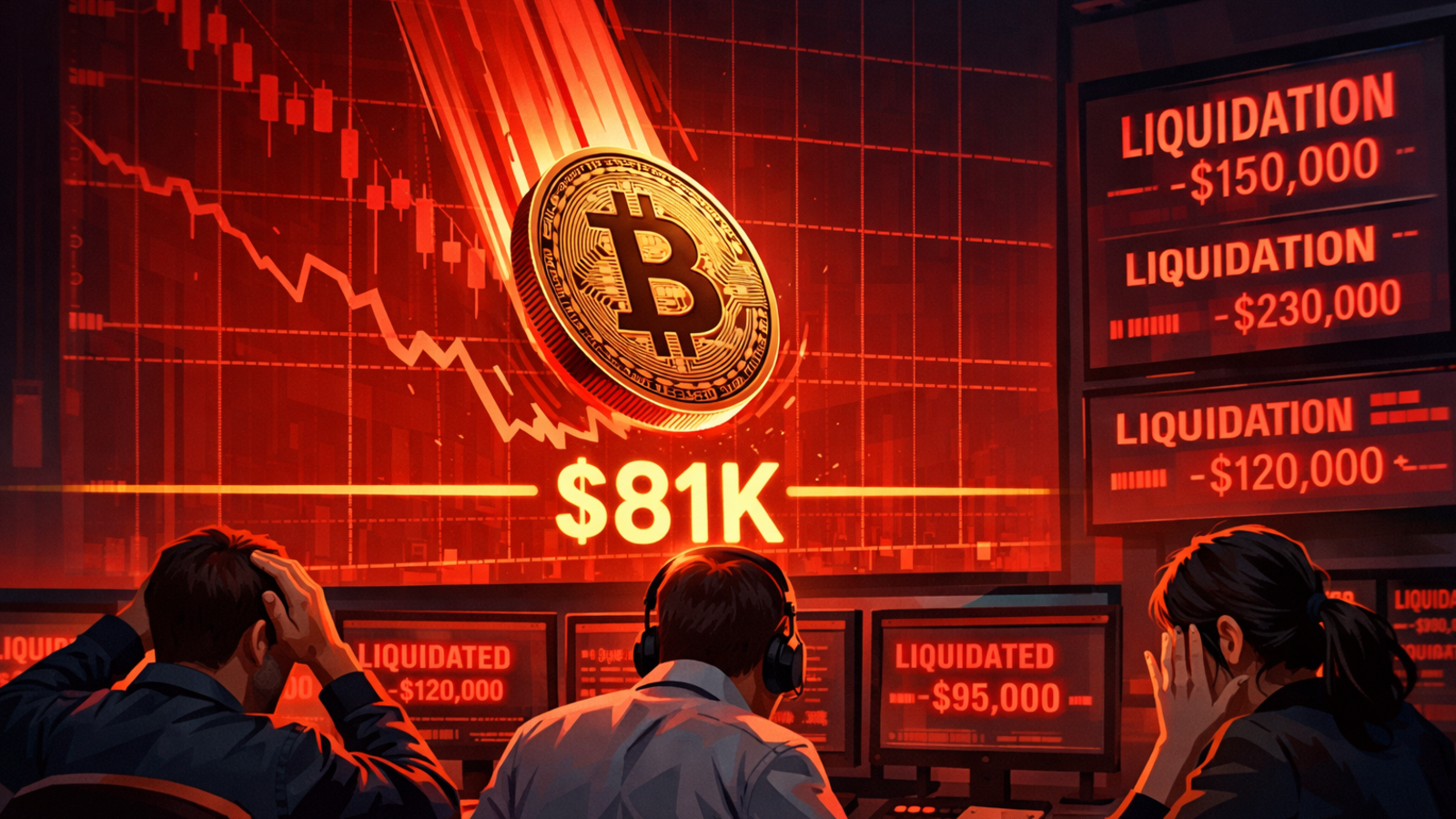
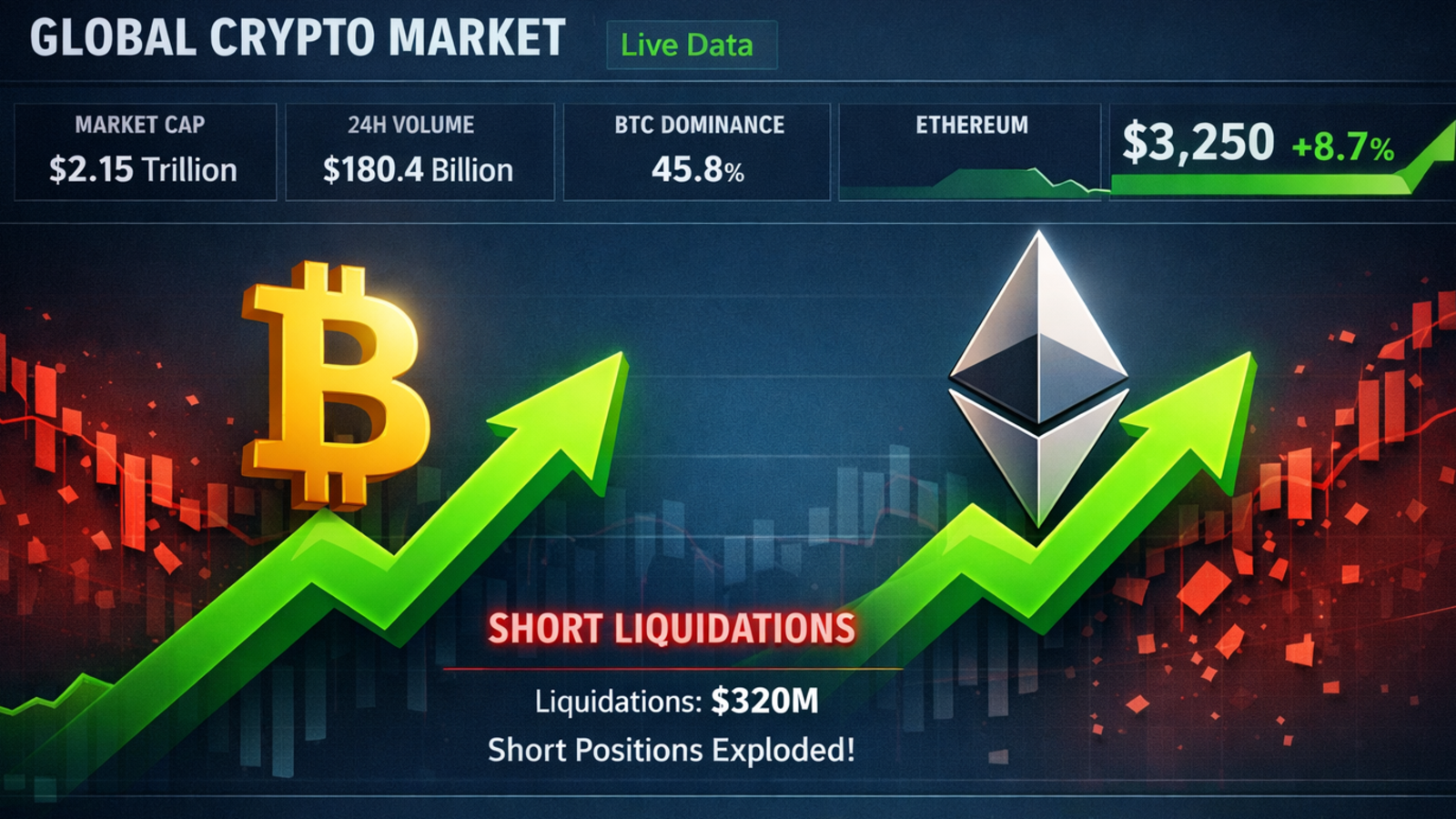
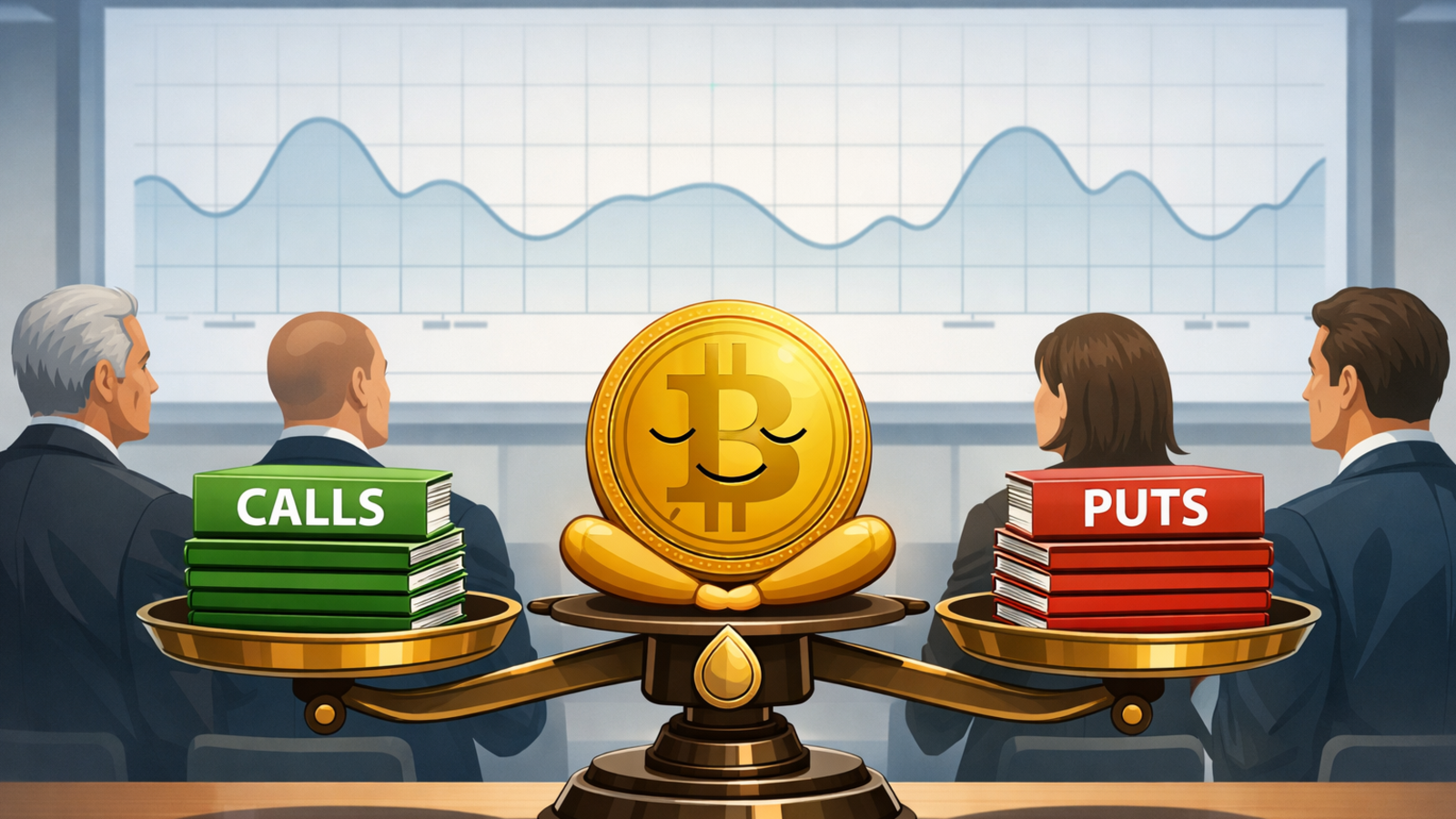
Bitcoin slipped back to around 92,000 dollars on Thursday after briefly touching 94,000, extending the choppy sideways pattern that has defined this week’s trading. The largest cryptocurrency is still holding comfortably above support near 85,000 dollars, which formed after a sharp drop earlier in the week. According to Paul Howard, senior director at trading firm Wincent, the market now looks like it is settling into a holding range as December liquidity thins out.
Howard notes that bitcoin prices remain tightly linked to global macro signals, but in the absence of fresh headlines he expects the coin to oscillate between roughly 85,000 and 95,000 dollars into year end. That implies more “chop” than trend, with spot moves driven by local flows rather than a strong directional narrative. In Thursday’s session ether held up better than BTC, trading above 3,100 dollars with only a small daily decline, while majors such as XRP, Hedera’s HBAR, bitcoin cash and privacy coin Zcash led the downside with losses of about 4% to 5%.
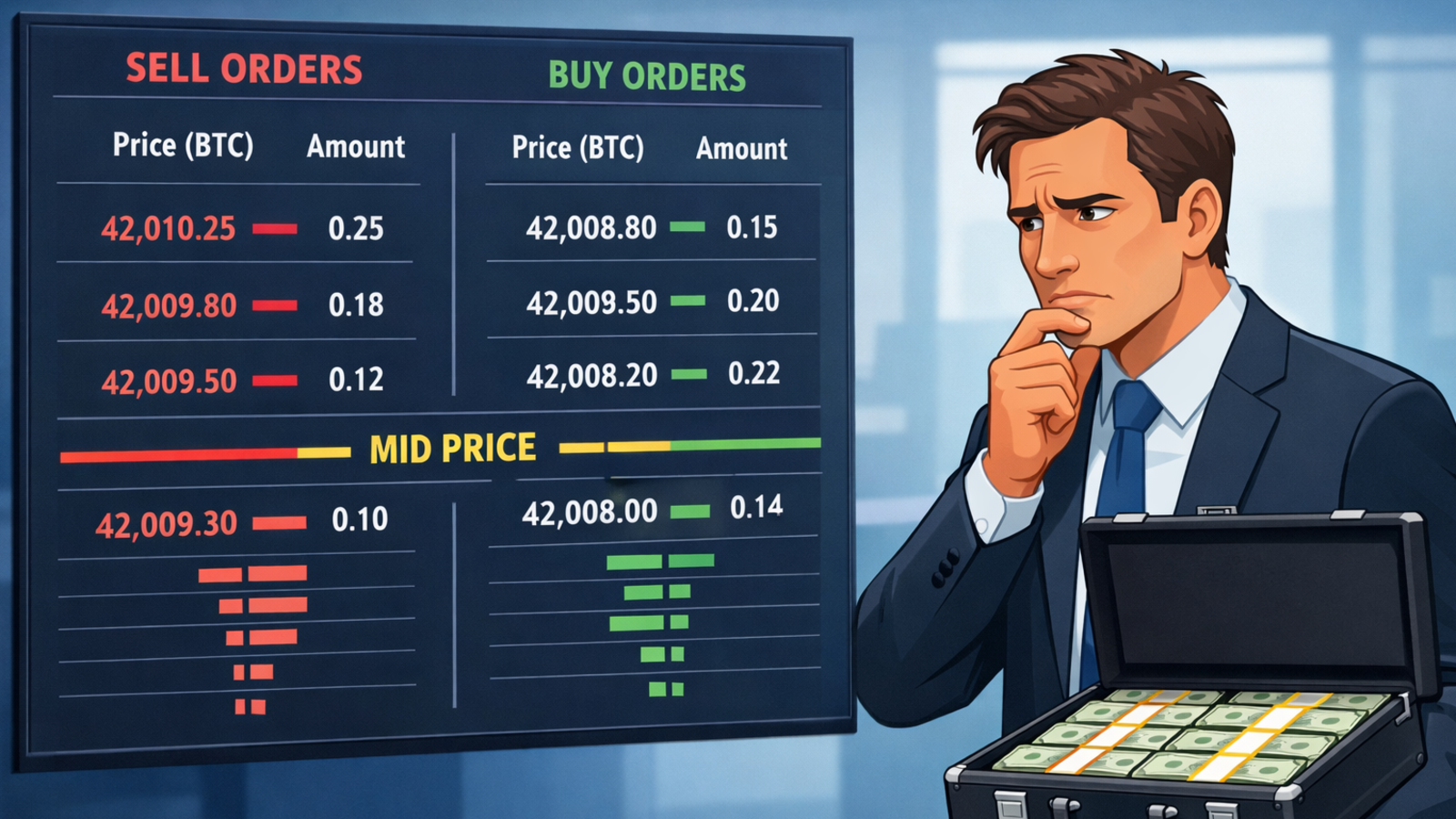
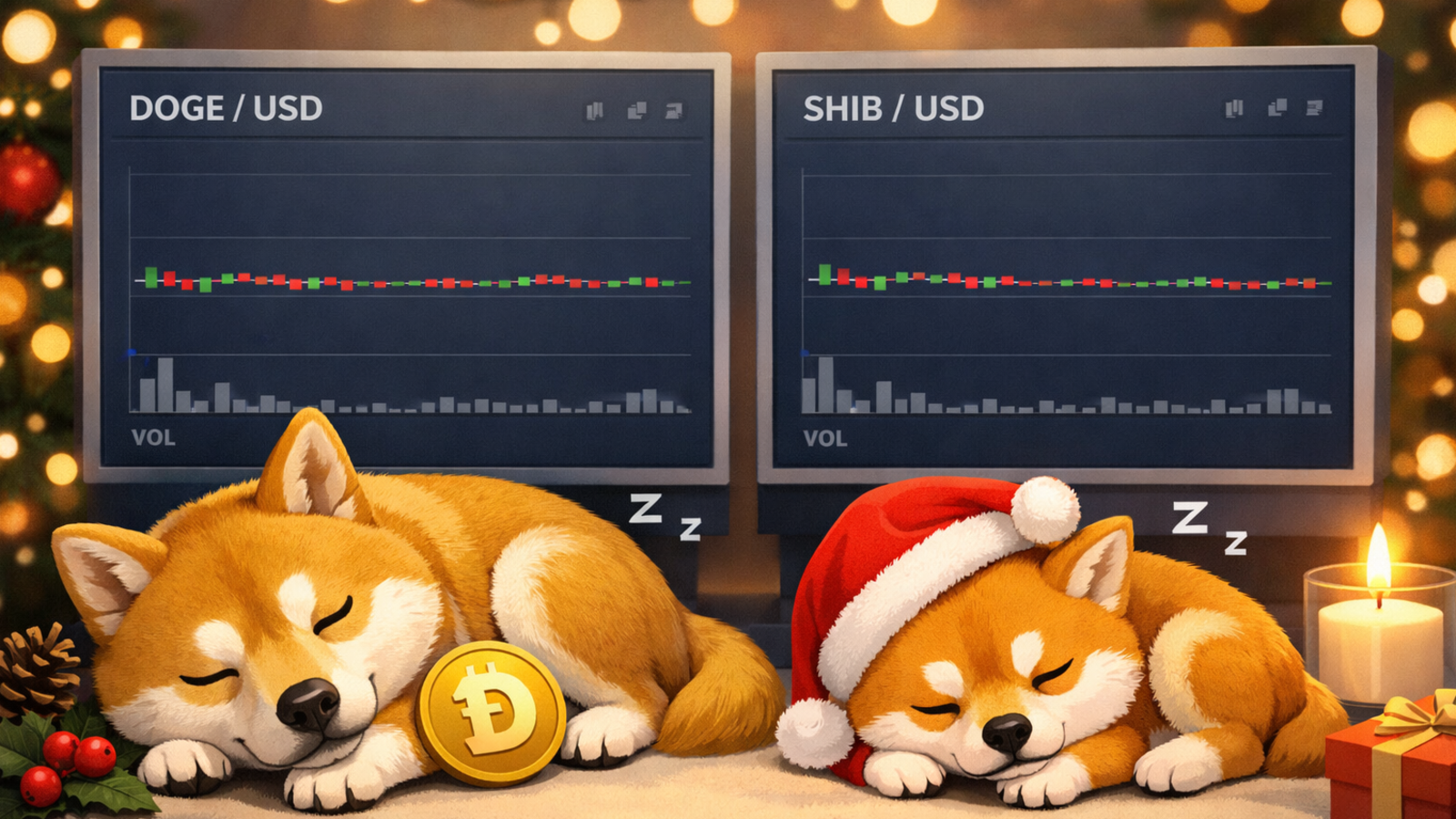
This kind of rangebound environment can create an opening for selective altcoin outperformance. Howard argues that thinner December order books combined with higher intraday volatility often give smaller tokens more room to move once traders start hunting for relative value outside bitcoin. Other market commentators have pointed to similar patterns earlier in the cycle, when periods of BTC consolidation near big psychological levels were followed by rotation into ether and mid cap names, especially when funding rates and positioning in bitcoin futures cooled off.
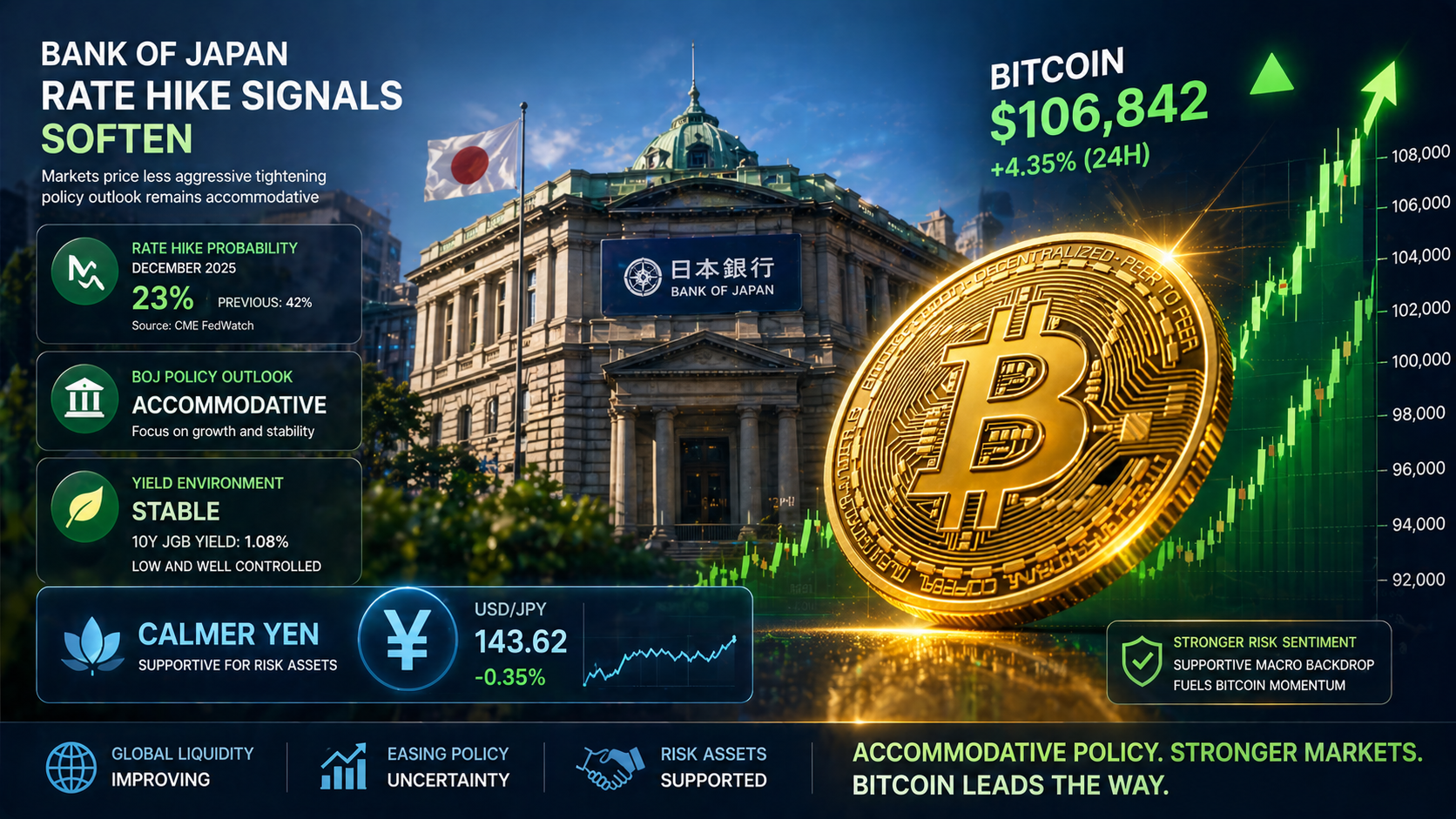
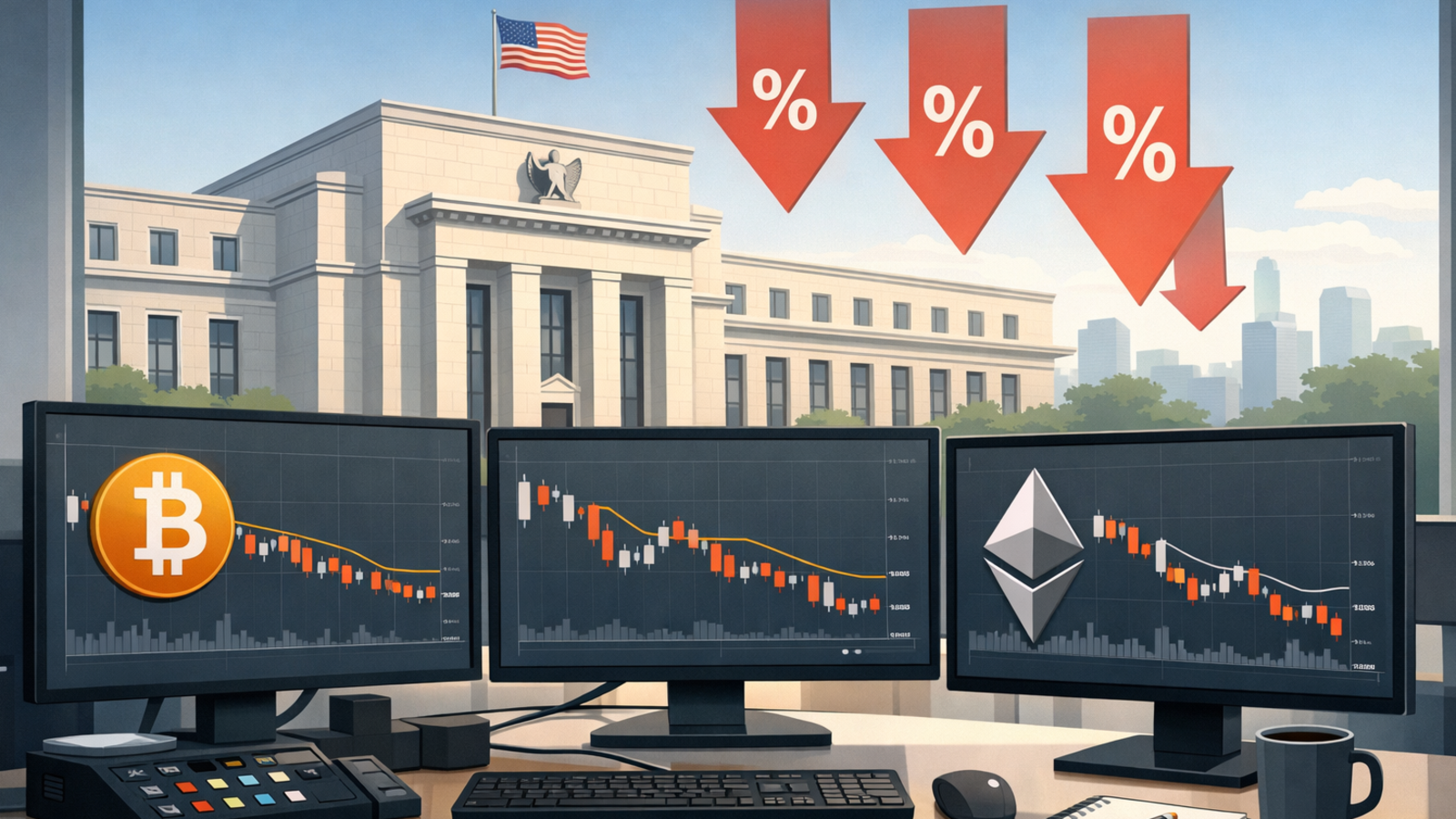
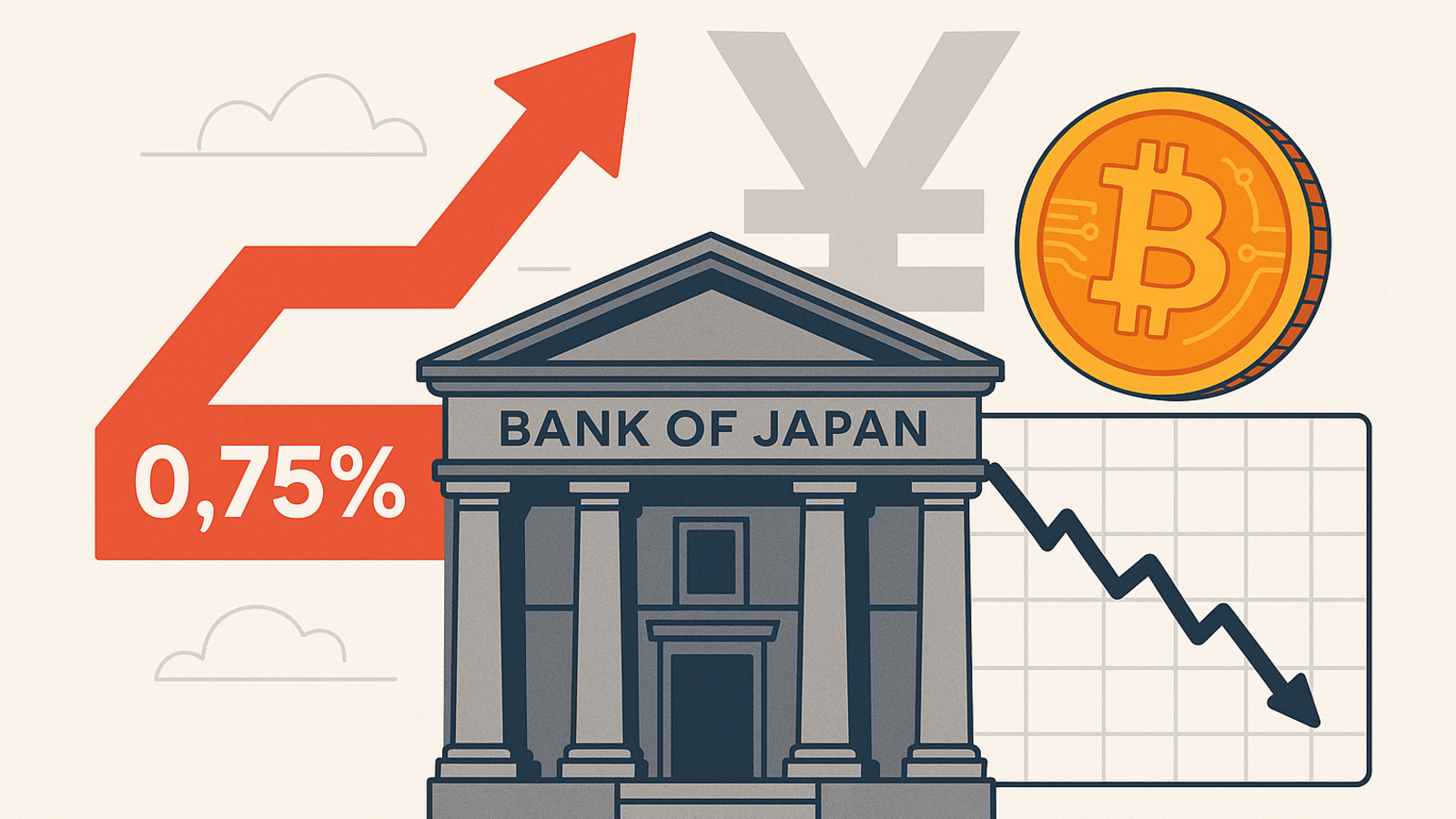
Macro factors are still in play in the background. Risk desks are watching the Federal Reserve’s next steps and, in particular, the Bank of Japan’s coming rate decision, which could influence the popular yen funded carry trade into risk assets such as crypto. For now, though, the base case from analysts like Howard is fairly simple. Unless a new shock or catalyst appears, bitcoin is likely to spend the rest of December bouncing inside its recent band, with traders increasingly scanning the altcoin space for the next leg of relative performance rather than betting on a clean BTC breakout before the year closes.























































.svg)
.svg)
.svg)
.svg)
.svg)
.svg)