
.svg)

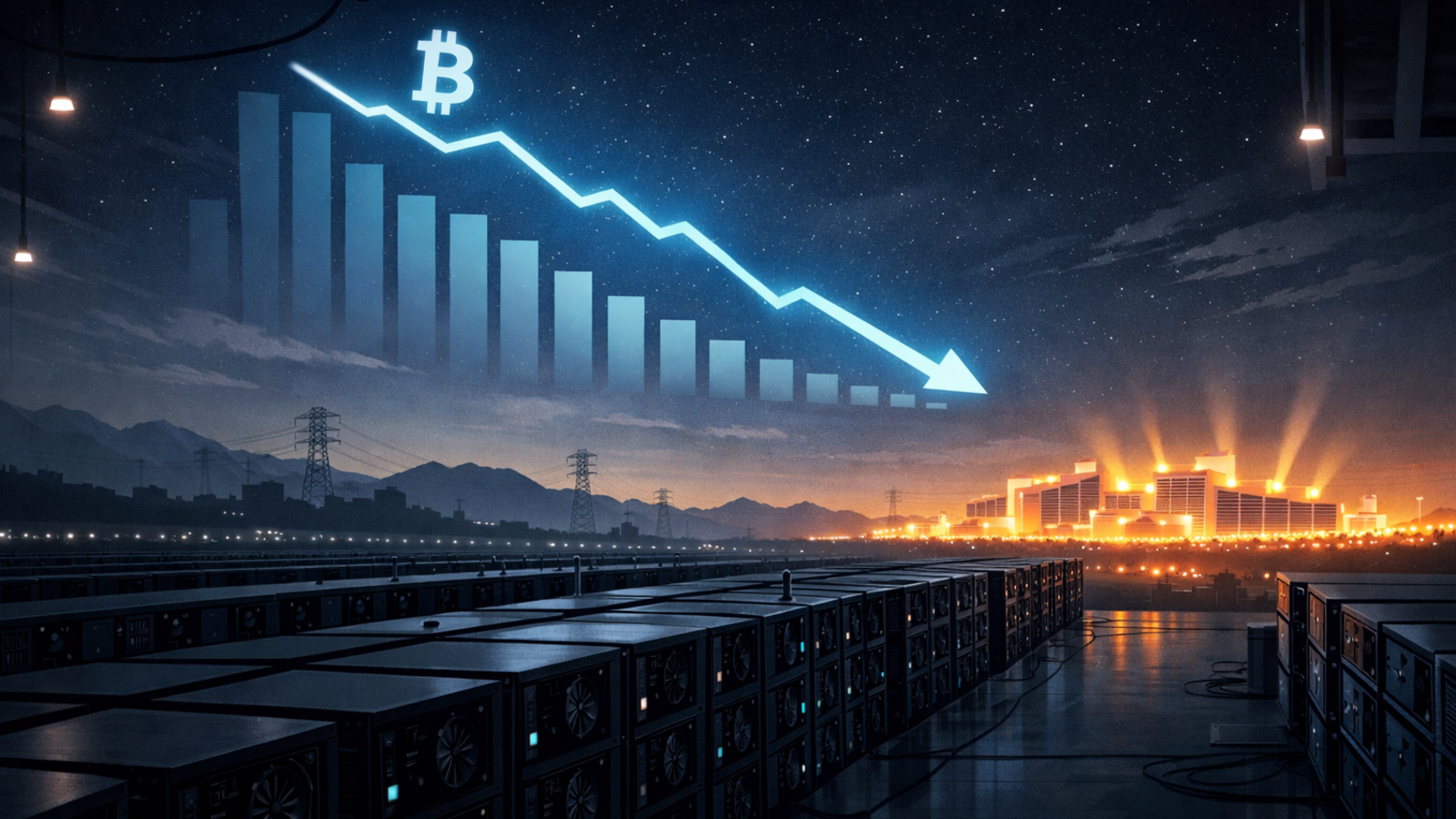
Bitcoin’s mining power has just logged its sharpest pullback since the April 2024 halving. The 30 day simple moving average of hashrate has slipped from around 1.1 zettahash per second to just above 1 ZH per second, according to data highlighted by Matthew Sigel, head of digital asset research at VanEck. That drop marks the biggest post halving decline in network computing power in this cycle.
Behind the move is a wave of shutdowns at mining farms in China. Former Canaan chairman Jack Kong said in a post on X that computing power fell by roughly 100 exahashes per second in a single day, an estimated 8 percent slide that he links to about 400,000 machines going offline, many of them in the Xinjiang region. The cutbacks come only a month after China had re emerged as the world’s third largest bitcoin mining hub with around 14 percent of global hashrate.
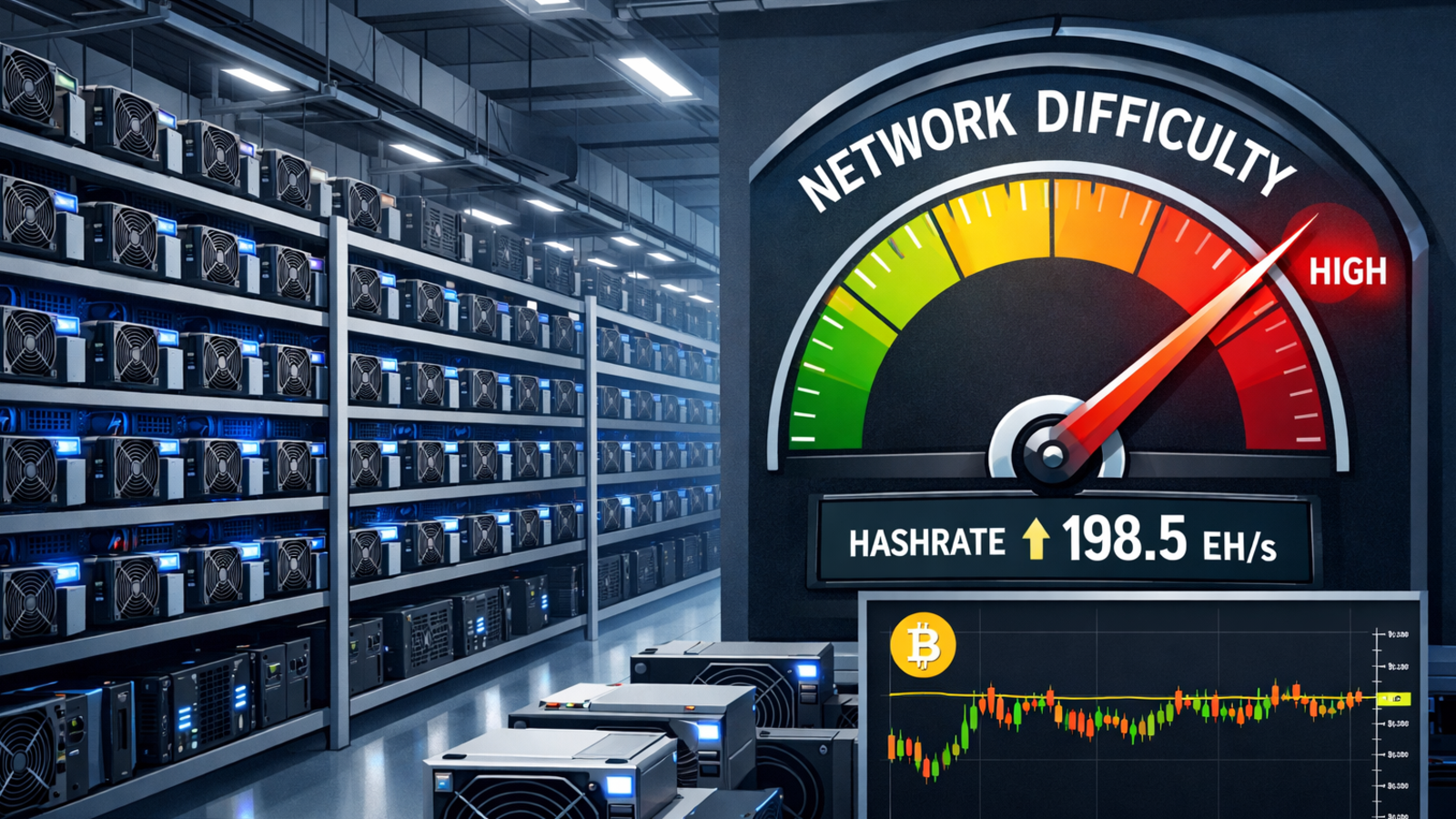
The slump in hashrate lands at a bad time for miners already squeezed by the last halving and weaker prices. Glassnode figures show the network pullback has arrived while hashprice, the revenue per unit of computing power, hovers near 37 dollars per petahash per second, close to a five year low. Mining difficulty sits around 148.2 trillion and is projected to drop by about 3 percent in the next adjustment, which should offer some short term relief by making blocks slightly easier to find.
Analysts note that lower hashrate can also shift the balance of power between regions. Kong suggested that as Chinese farms shut down one after another, miners in places like the United States stand to benefit without lifting a finger, since their share of the global pie rises as rivals go dark. Other market watchers have tied the timing of the downturn to a recent regulatory notice in China that asked firms to cooperate with authorities on disclosures around mining, adding another layer of uncertainty for operators who stayed in the country.
For the bitcoin network itself, the episode is more of a stress test than an immediate security crisis. Even after the drop, hashrate remains above 1 ZH per second, far higher than in previous cycles, and the difficulty adjustment mechanism is working as designed to keep block production on track. The bigger question is how quickly displaced machines will find new homes and whether policy shocks in one region will keep pushing mining toward a more geographically diverse base over time.
































































































.svg)
.svg)
.svg)
.svg)
.svg)
.svg)