
.svg)


Meta Platforms is quietly preparing a return to the stablecoin market in the second half of this year, four years after regulators forced it to unwind the Libra and Diem projects. According to people familiar with the plans, the company wants to integrate dollar backed stablecoin payments directly into Facebook, Instagram and WhatsApp, giving its billions of users access to near instant digital dollar transfers inside apps they already use every day. The new push is framed as a more cautious and tightly scoped effort than Libra, which had tried to launch a synthetic global currency and triggered a strong backlash from central banks and politicians.
This time Meta does not intend to issue and manage the stablecoin entirely on its own. The company has circulated a request for proposals to outside payment and crypto infrastructure firms that would handle issuance and custody of a dollar pegged token, while Meta focuses on the user interface and wallet experience inside its platforms. Sources say Stripe’s onchain unit and other large providers are among the candidates, although no final partner has been announced. By outsourcing the regulated money movement and keeping the token fully backed by cash and short term Treasuries, Meta is trying to fit within the emerging U.S. stablecoin framework rather than operating in a legal grey zone.
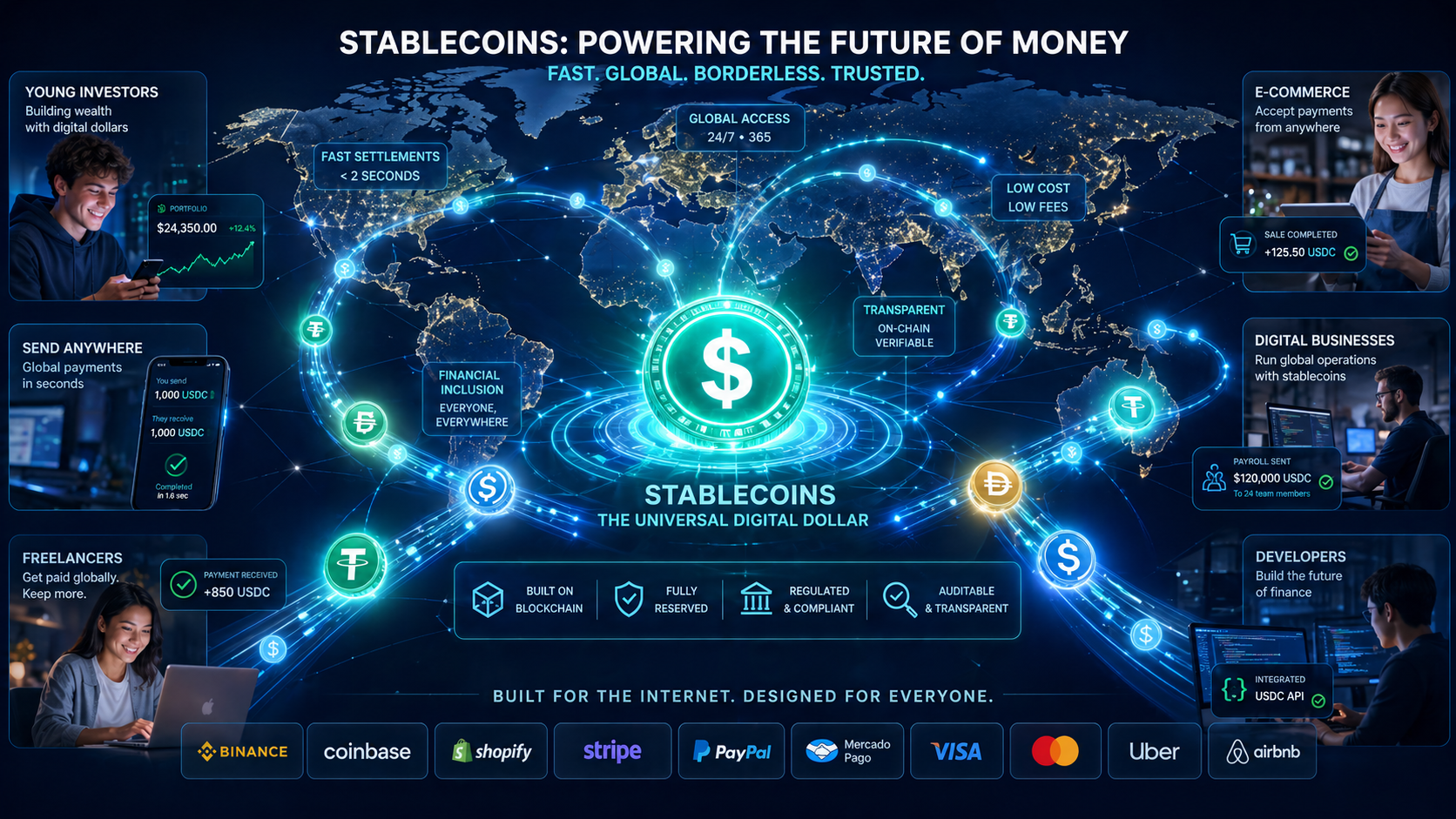
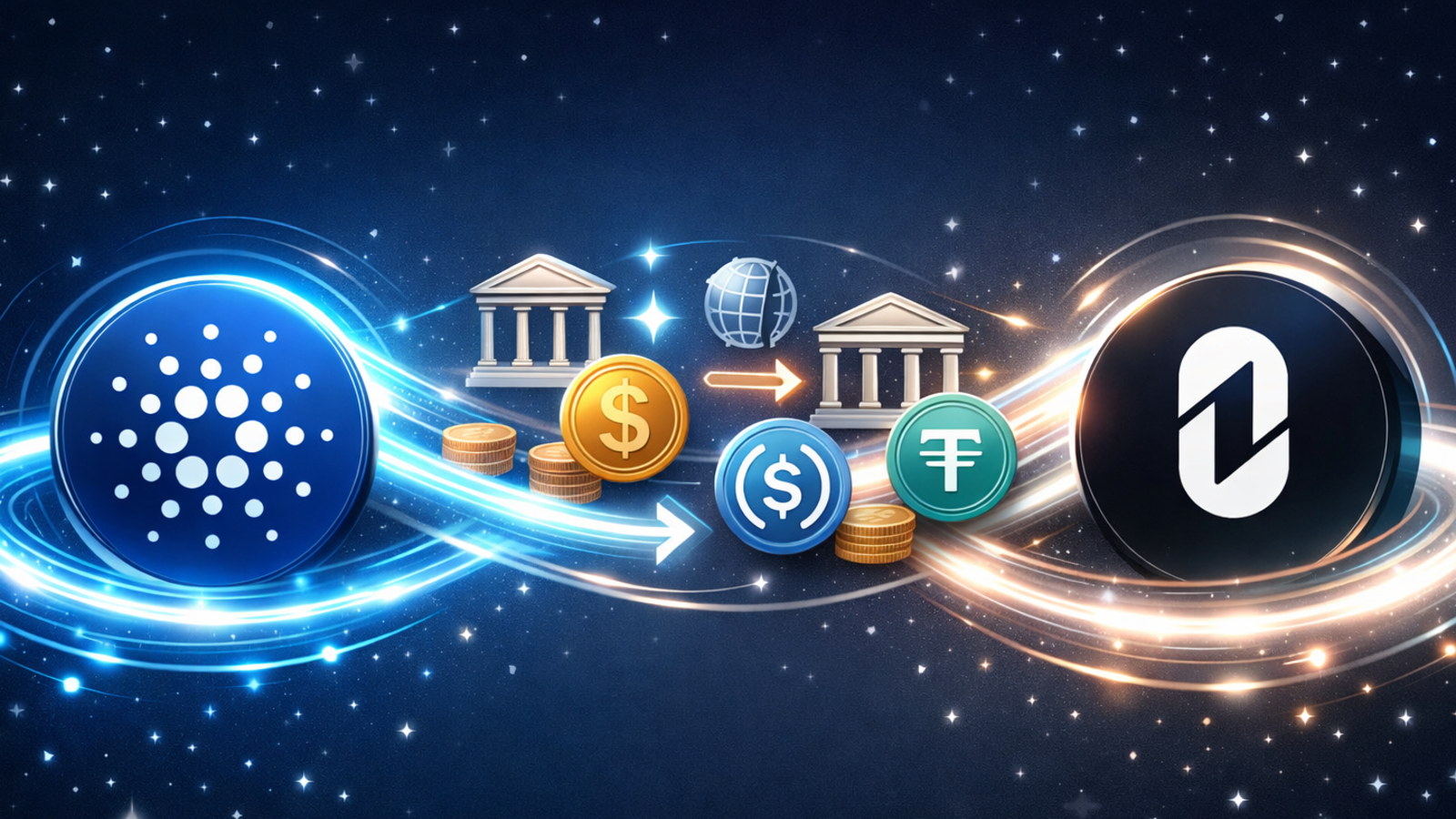
The comeback plan reflects how much the landscape has changed since Libra’s collapse. Dollar stablecoins such as USDT and USDC now settle hundreds of billions of dollars in value each month and sit at the center of crypto trading and cross border payments, while lawmakers in Washington and other capitals are racing to finalize formal rules for these instruments. Meta’s early attempt at a multi currency coin made it an easy target at a time when regulators were still unsure how to treat stablecoins at all. The new effort accepts that reality and instead positions Meta as a big distribution channel and product designer that plugs into licensed issuers, rather than as an aspiring global monetary authority.
If the rollout proceeds on schedule, Meta would begin testing stablecoin transfers with selected user groups later this year and then expand to broader regions as its partner and regulators allow. Analysts note that even a limited launch could be significant. A compliant dollar token embedded in apps with more than three billion users would instantly become a major player in digital payments, and could accelerate competition between bank issued tokens, fintech stablecoins and early central bank digital currency experiments. At the same time, privacy groups and financial watchdogs are likely to scrutinize how Meta separates social data from payment data and how it handles know your customer checks, sanctions screening and dispute resolution, issues that played a major role in the demise of Libra and will be central to whether this second attempt is allowed to scale.
















































































.svg)
.svg)
.svg)
.svg)
.svg)
.svg)