
.svg)


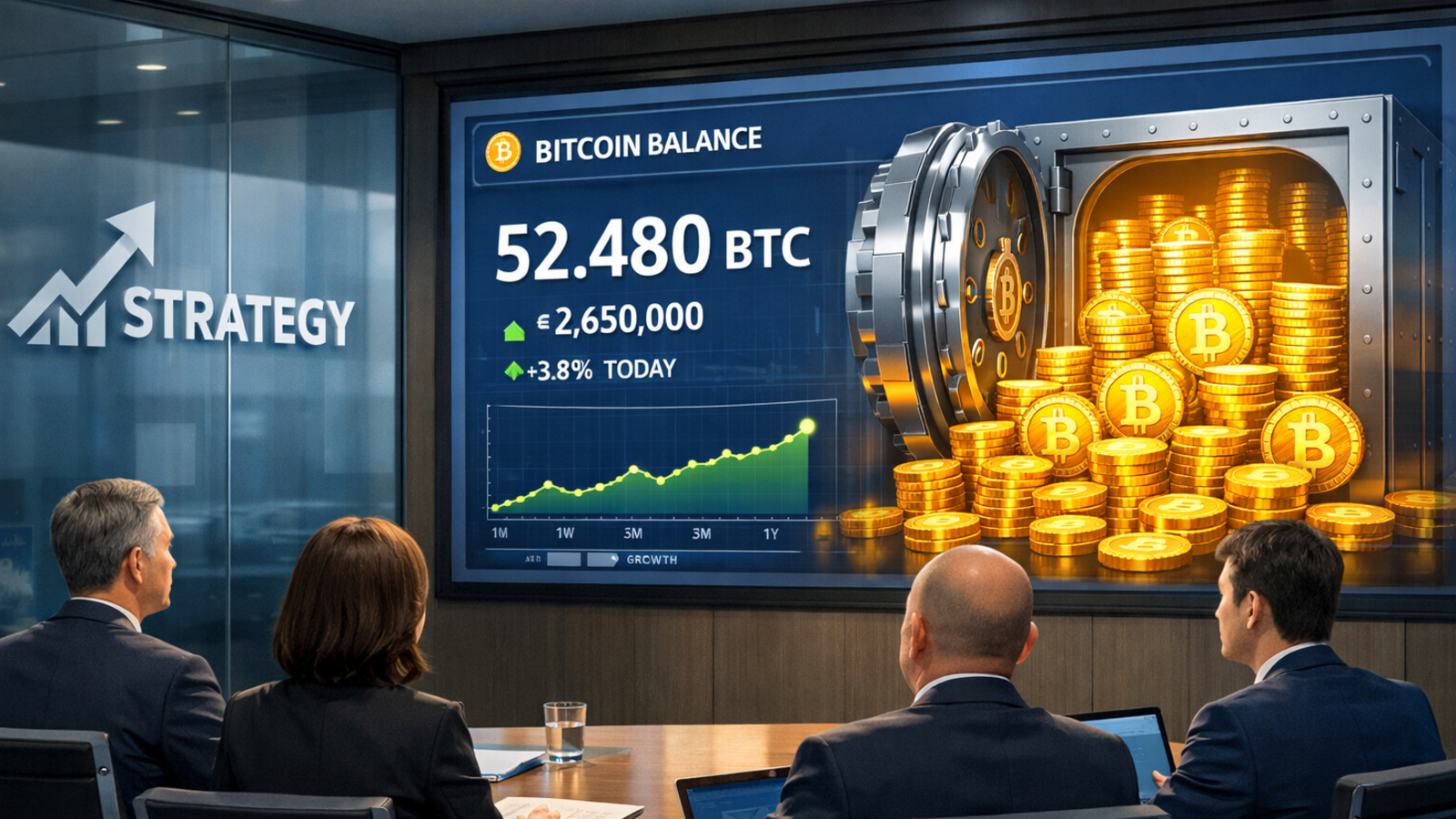
GameStop has not sold off its bitcoin reserve after all. Instead, the company used almost its entire stash in a covered-call strategy designed to generate premium income while keeping exposure to BTC. A recent filing showed that GameStop pledged 4,709 of its 4,710 bitcoin, worth about 368.3 million dollars at the reporting date, to Coinbase Prime as collateral for short-term call options.
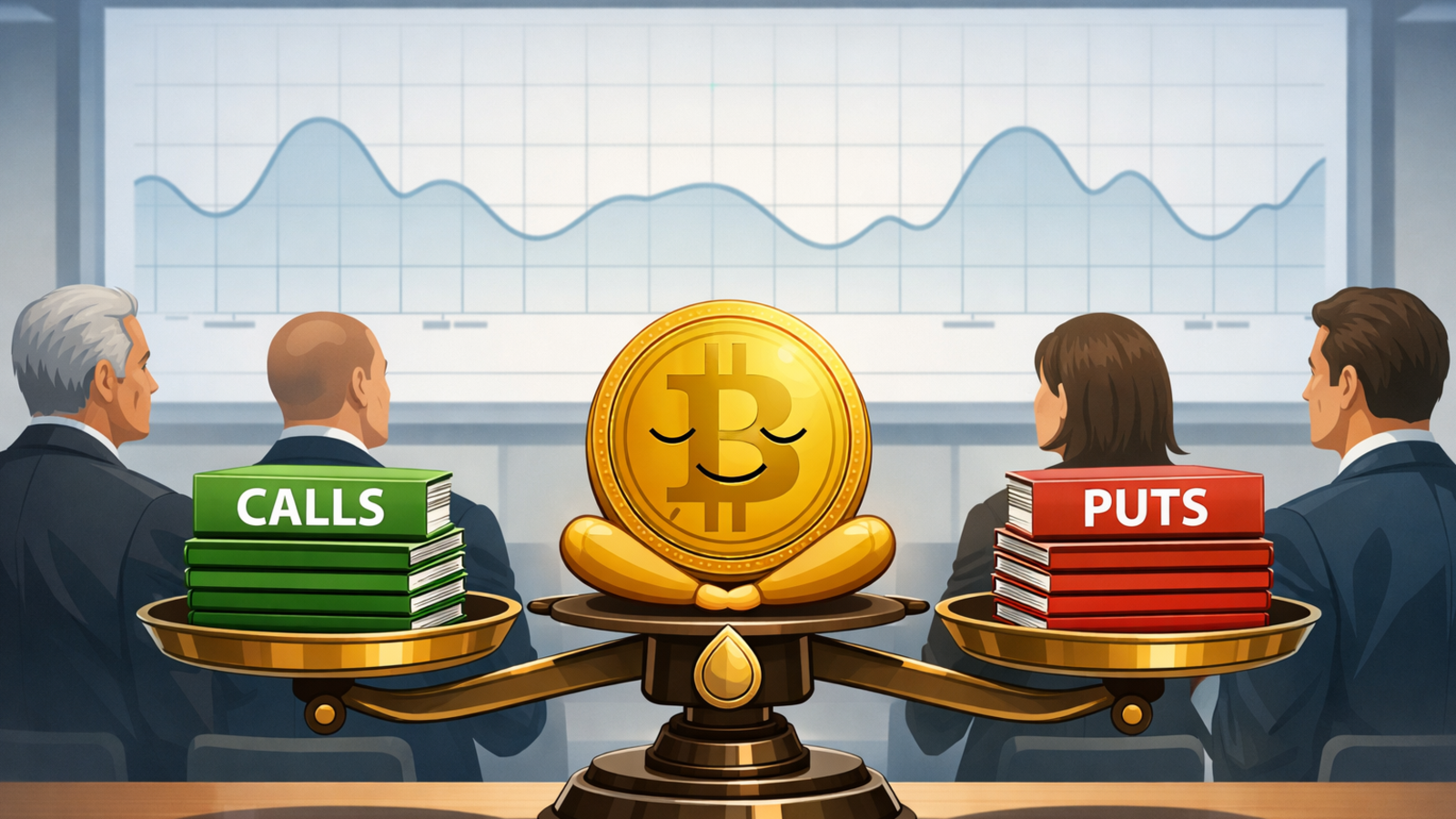
The structure matters because it changes the story from a possible treasury exit to a yield-seeking trade. In a covered call, the holder keeps the underlying asset but sells someone else the right to buy it at a fixed price. In GameStop’s case, the calls were short-dated over-the-counter contracts with strike prices between 105,000 and 110,000 dollars. That means the company collects option premiums now, but gives up some upside if bitcoin rallies above those levels before expiry.
The accounting treatment also shifted. Because the bitcoin was pledged into the Coinbase structure, much of it was reclassified from a directly held digital asset into a receivable tied to the counterparty arrangement. Disclosures around the trade showed a roughly 700,000 dollar liability linked to the options and about 2.3 million dollars in unrealized gains at one stage, while some contracts later expired unexercised and the related collateral remained with Coinbase Credit.
This is a different playbook from the one investors usually associate with corporate bitcoin treasuries. Most public companies that buy BTC present it as a long-term balance-sheet bet on appreciation. GameStop is trying to squeeze current income out of the position instead, even if that caps part of the upside. Reporting also indicates Coinbase may have broad rights over the pledged collateral under the arrangement, which adds a counterparty and structure layer that ordinary spot holding does not have.
The bigger takeaway is that GameStop appears to be treating bitcoin less like a passive reserve and more like an actively managed treasury asset. That may appeal to investors who want immediate cash generation, but it also makes the position more complex and reduces the clean “just hold BTC” narrative that usually drives corporate treasury enthusiasm. GameStop still holds the economic exposure, but it is now monetizing that exposure through derivatives rather than simply waiting for price appreciation.


























































.svg)
.svg)
.svg)
.svg)
.svg)
.svg)