
.svg)


A new Ripple survey suggests that digital assets are no longer a side experiment for banks, fintech firms and corporates. Based on responses from more than 1,000 finance leaders worldwide, the report found that 72% believe companies now need a digital asset offering to stay competitive. The message is not just that interest remains alive despite the market’s volatility. It is that many financial firms now see crypto related services as part of the mainstream toolkit they will need going forward.
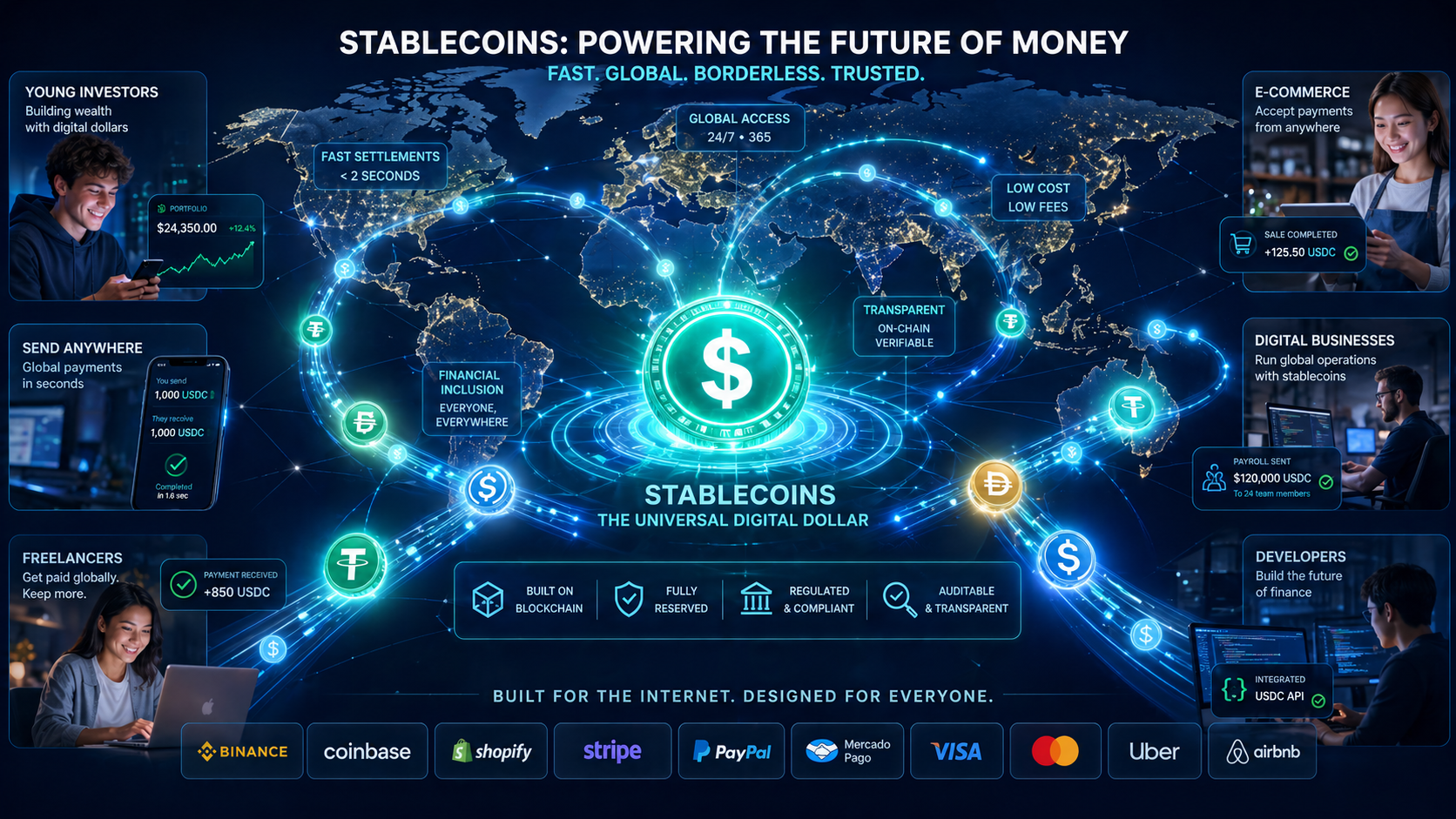
Stablecoins stood out as the clearest priority. Ripple’s findings show that 74% of respondents see stablecoins as useful for improving cash flow efficiency and unlocking trapped working capital, which suggests they are being viewed less as speculative instruments and more as practical treasury tools. That aligns with a broader shift across finance, where tokenized dollars are increasingly being discussed in the context of payments, liquidity management and cross-border settlement rather than just crypto trading.
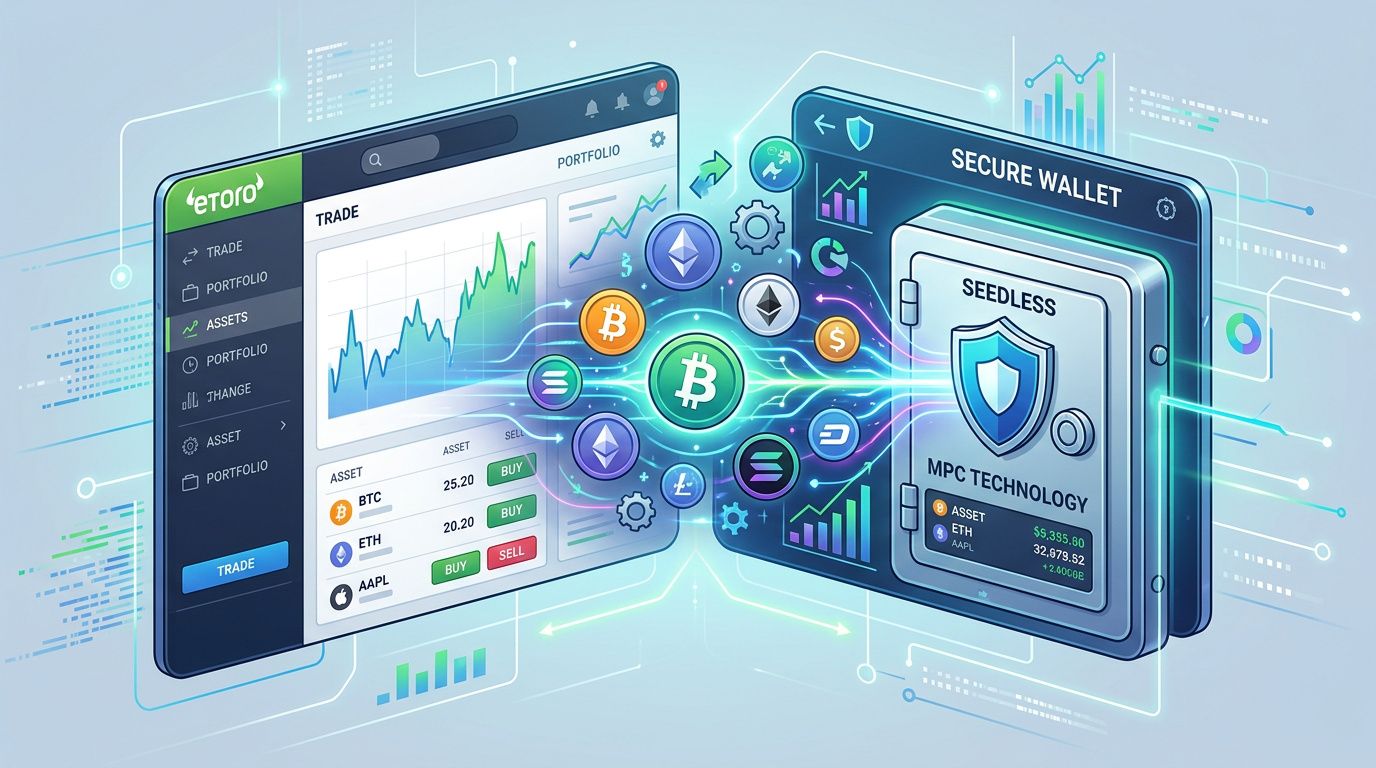
Custody ranked just as high on the list of concerns. Around 89% of survey participants said custody is a top priority when assessing digital asset partners, underscoring how much the institutional market still revolves around secure storage, operational safeguards and trusted infrastructure. In other words, firms may be more willing to adopt digital assets than before, but they are still demanding bank-grade controls around how those assets are held and managed.
The survey also points to a divide in how different segments are moving. Fintechs appear to be pushing faster than traditional banks and corporates in areas like treasury use and payments, while larger incumbents are focusing more on the infrastructure they need before scaling up. That pattern fits the broader industry mood: innovators are moving first, while bigger institutions are entering more cautiously through regulated, lower-friction use cases such as stablecoins, custody and tokenized finance rails.
Taken together, Ripple’s data paints a picture of an industry that is becoming more pragmatic. The center of gravity is shifting away from broad crypto enthusiasm and toward specific services with clear business value. For now, that means stablecoins and custody are emerging as the two most important doors through which banks, fintechs and corporates are likely to deepen their digital asset involvement.



































































.svg)
.svg)
.svg)
.svg)
.svg)
.svg)