
.svg)

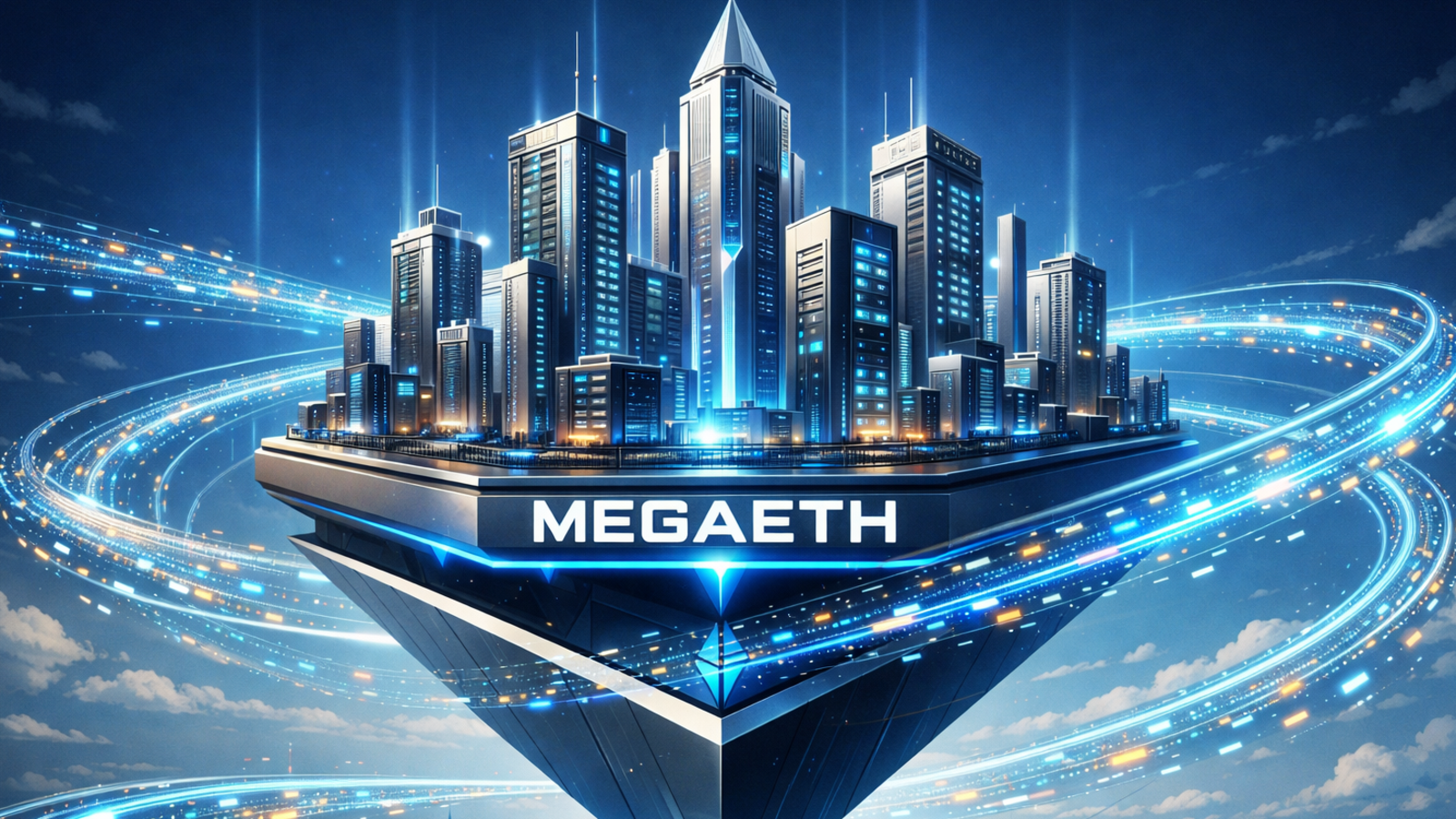
MegaETH, a high speed blockchain designed to make Ethereum apps feel almost instant, has switched on its public mainnet, stepping directly into the center of the debate over how Ethereum should scale in the next cycle. The network brands itself as a real time Ethereum layer 2, targeting more than 100,000 transactions per second with millisecond level block times so that trading, gaming and consumer apps behave closer to traditional web platforms than to today’s congested chains. Before launch, its development team MegaLabs ran a global stress test that pushed throughput into the 10,000 to 22,000 transactions per second range and processed more than 10.3 billion transactions in a week, a result meant to show that the architecture can handle sustained load rather than just short bursts.
The project arrives with one of the biggest war chests in the scaling sector. MegaLabs raised 20 million dollars in a seed round led by Dragonfly in 2024, then pulled in 450 million dollars in an oversubscribed token sale in October 2025 that attracted 1.39 billion dollars in bids and sold roughly 5 percent of the 10 billion MEGA token supply, with backing from Ethereum co founders Vitalik Buterin and Joseph Lubin and several major crypto funds. A later pre deposit bridge campaign in November 2025 went badly, forcing the team to unwind a 500 million dollar raise after technical misconfigurations and know your customer issues, but all funds were returned and the launch date was kept on track.
On the technical side MegaETH uses heavy specialization to chase low latency. Sequencer nodes are designed to run in data center grade environments with high core counts, large memory and fast bandwidth, while other node types focus on full validation, indexing and remote procedure calls. That setup lets the chain promise near instant confirmations for users at the cost of higher hardware barriers for core operators and a tradeoff on decentralization compared with lighter rollups that can run on more modest machines. The mainnet opens with a Rabbithole portal that aggregates swaps, apps and ecosystem navigation, along with early integrations aimed at trading, DeFi and other latency sensitive use cases.
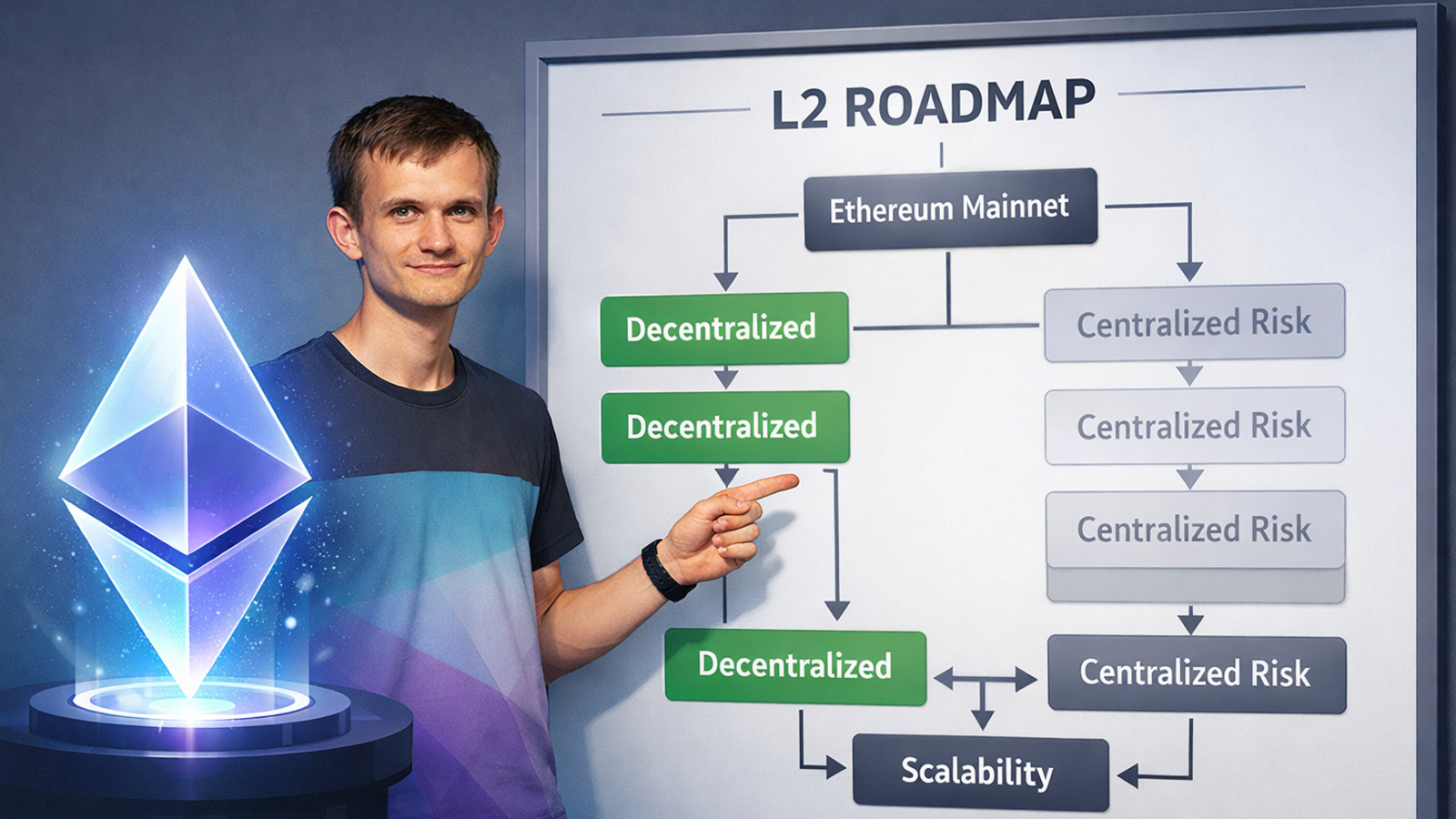
The timing of the launch is adding fuel to an already heated discussion about Ethereum’s roadmap. Only days earlier Vitalik Buterin argued that the original rollup centric vision looks outdated because Ethereum’s base layer has become faster than expected while many layer 2s have been slow to decentralize, and he urged new networks to justify themselves with features such as privacy, application specific designs or genuinely ultra fast confirmation instead of simply offering more blockspace. Supporters of MegaETH see it as a direct answer to that call, a performance first environment that could anchor an entire class of real time onchain apps. Skeptics note that the real test will be whether the advertised 100,000 transactions per second can be sustained in production, and whether yet another high throughput chain deepens liquidity fragmentation at a moment when Ethereum is already balancing its own base layer improvements against a crowded field of competing layer 2s and alternative layer 1s.
























































































.svg)
.svg)
.svg)
.svg)
.svg)
.svg)