
.svg)

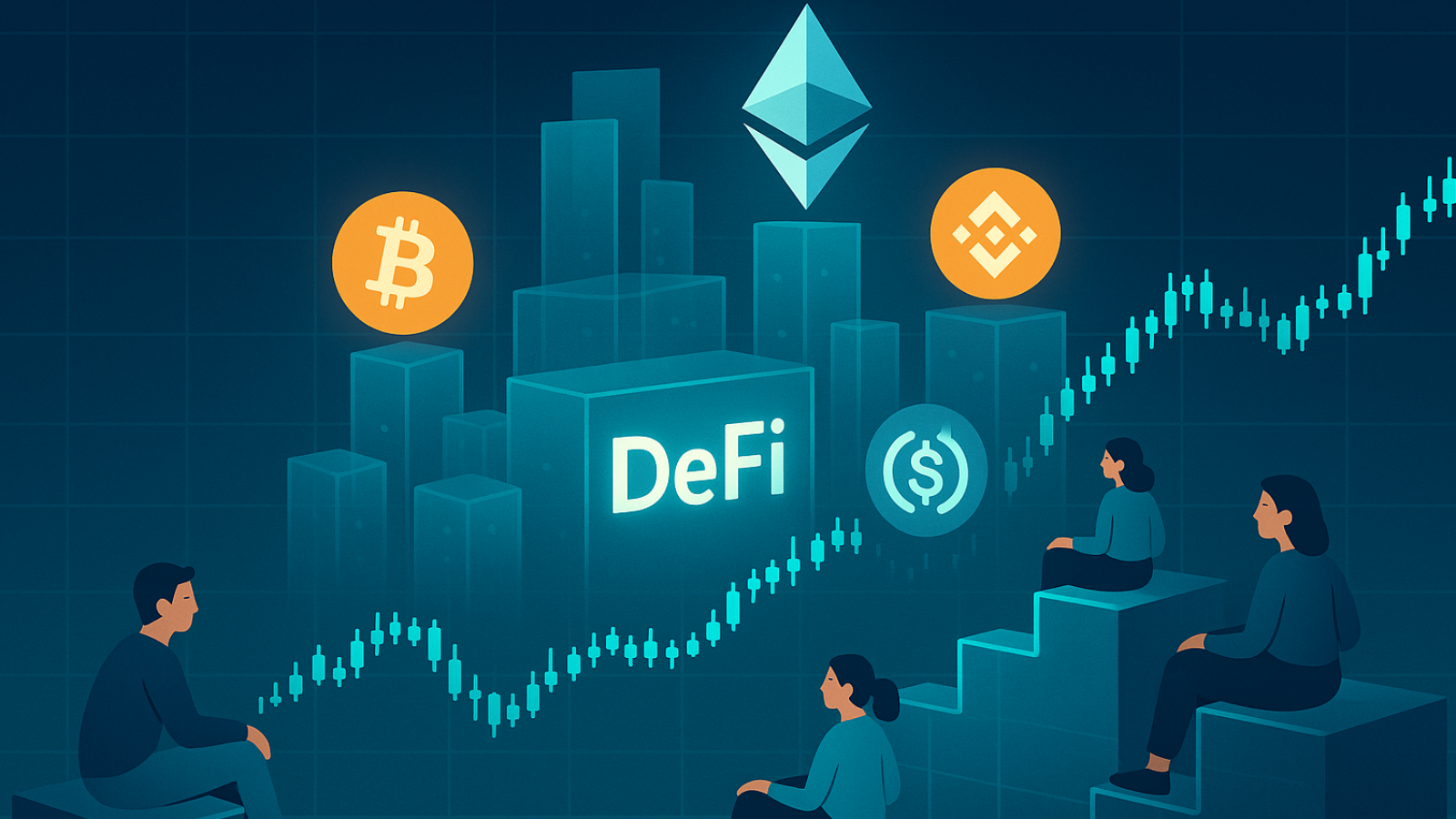
Since the start of October, decentralized finance has seen its headline total value locked fall from about 178 billion dollars to roughly 123 billion dollars, a 55 billion drawdown that sounds brutal at first glance. In percentage terms that is a 30.9% dip, but it actually trails the broader market selloff over the same stretch. Ether, which underpins much of DeFi, is down around 38%, while major governance tokens such as AAVE and LDO have dropped about 40% and 50%. That gap matters because it points to something simple but often missed. Most of the TVL decline comes from falling token prices, not a wave of users pulling liquidity out of protocols.
Looking at the longer chart makes the move look even less dramatic. Since late 2023, DeFi TVL has been grinding higher in a staircase pattern, with peaks near 107 billion, 142 billion and 178 billion dollars and pullbacks that have bottomed around 80 billion, 89 billion and now 123 billion dollars. Each low has been higher than the last, which is what you expect to see in an uptrend that is pausing rather than breaking. The current reset fits that pattern and keeps TVL well above the sub 60 billion levels seen after the blow off top of 2021, when value screamed from 13 billion to 210 billion dollars before collapsing in a matter of months.
Onchain activity also tells a more constructive story than the TVL headline. Data from DefiLlama shows that decentralized exchanges processed about 360 billion dollars in trades between November 1 and November 26, already ahead of June’s full month figure of 332 billion dollars. At the same time, inflows into crypto treasuries have cooled from the peaks seen earlier in the quarter, which suggests users are not fleeing the ecosystem but are adjusting positions while still trading actively. That mix of softer prices with firm usage is one reason analysts argue the TVL drop is more about repricing risk assets than about fundamental decay.
Lending protocols are showing similar resilience. Aave, one of the sector’s core money markets, now holds around 32 billion dollars in TVL, almost twice what it secured a year ago despite the recent pullback. Other research paints a related picture. A separate report on borrowing markets found that outstanding DeFi loans climbed sharply in the third quarter and that combined onchain and centralized lenders now carry crypto collateralized loans above their previous all time highs. That kind of credit growth usually does not happen in an industry on the verge of structural failure.
Taken together, the numbers suggest that the 55 billion dollar drawdown is more like a reality check than a disaster. Prices have come off their highs, which drags down TVL in dollar terms, but the core plumbing of DeFi keeps moving. Volumes are strong, key protocols are larger than they were a year ago and the current cycle looks far more measured than the boom and bust of 2021. For builders and long term users, that kind of slower, more contained correction can be a sign of a sector that is finally maturing instead of one that lives or dies on the next vertical candle.















































































.svg)
.svg)
.svg)
.svg)
.svg)
.svg)