
.svg)


BlackRock’s bitcoin exchange traded funds have climbed to the top of the firm’s revenue league table, according to Cristiano Castro, a business development director for the company in Brazil. Speaking at the Blockchain Conference 2025 in São Paulo, he said the bitcoin lineup now brings in more income than any of BlackRock’s roughly 1,400 other ETFs, a milestone the asset manager did not anticipate when it entered the market.
The centerpiece of that success is the iShares Bitcoin Trust, or IBIT, launched in the United States in January 2024. IBIT raced to about 70 billion dollars in assets in just 341 days, the fastest an ETF has ever reached that level, and now holds a little over 3% of all bitcoin in circulation. By October 2025, the product was generating an estimated 245 million dollars in annual fees on its own, with net inflows of more than 52 billion dollars during its first year on the market.
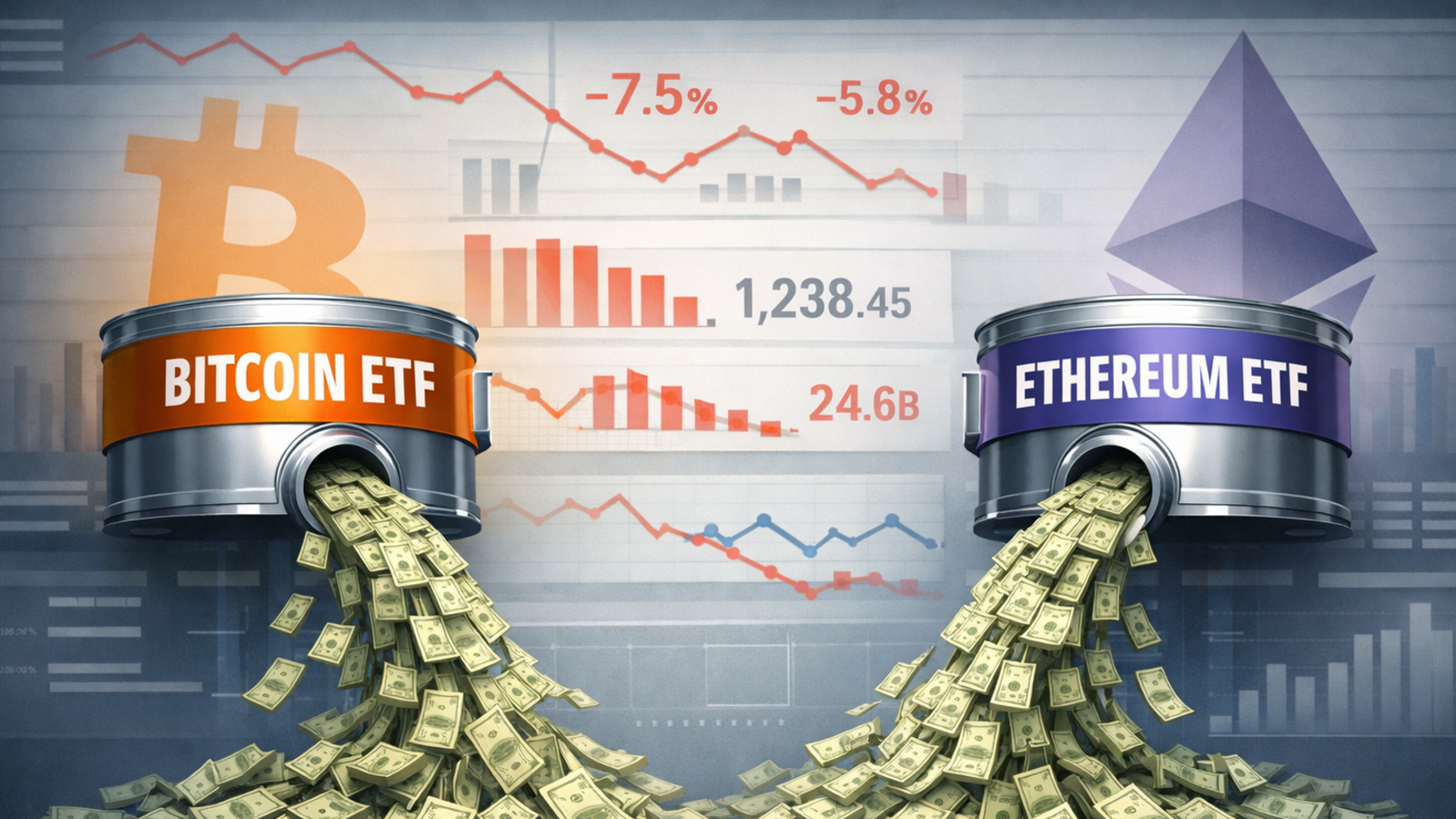
What makes the numbers more striking is that they arrived in a choppy environment. November saw bitcoin drop more than 25% from its highs, while IBIT logged about 2.3 billion dollars in net outflows as investors took profits and repositioned. Castro played down the pullback, arguing that such swings are normal for a highly liquid ETF and that large institutions, including university endowments and bond funds inside BlackRock itself, continue to add exposure on weakness.
For BlackRock, the boom in bitcoin ETF revenue is reshaping how it thinks about digital assets. Executives such as CEO Larry Fink now speak of bitcoin as a form of digital gold, and the firm has expanded its crypto range with international products and ether based funds. With total bitcoin related allocations across its vehicles approaching 100 billion dollars, the company’s early bet on spot ETFs has turned from an experiment into one of its most important profit engines, even as prices remain volatile and regulatory debates continue.


















































































.svg)
.svg)
.svg)
.svg)
.svg)
.svg)