
.svg)

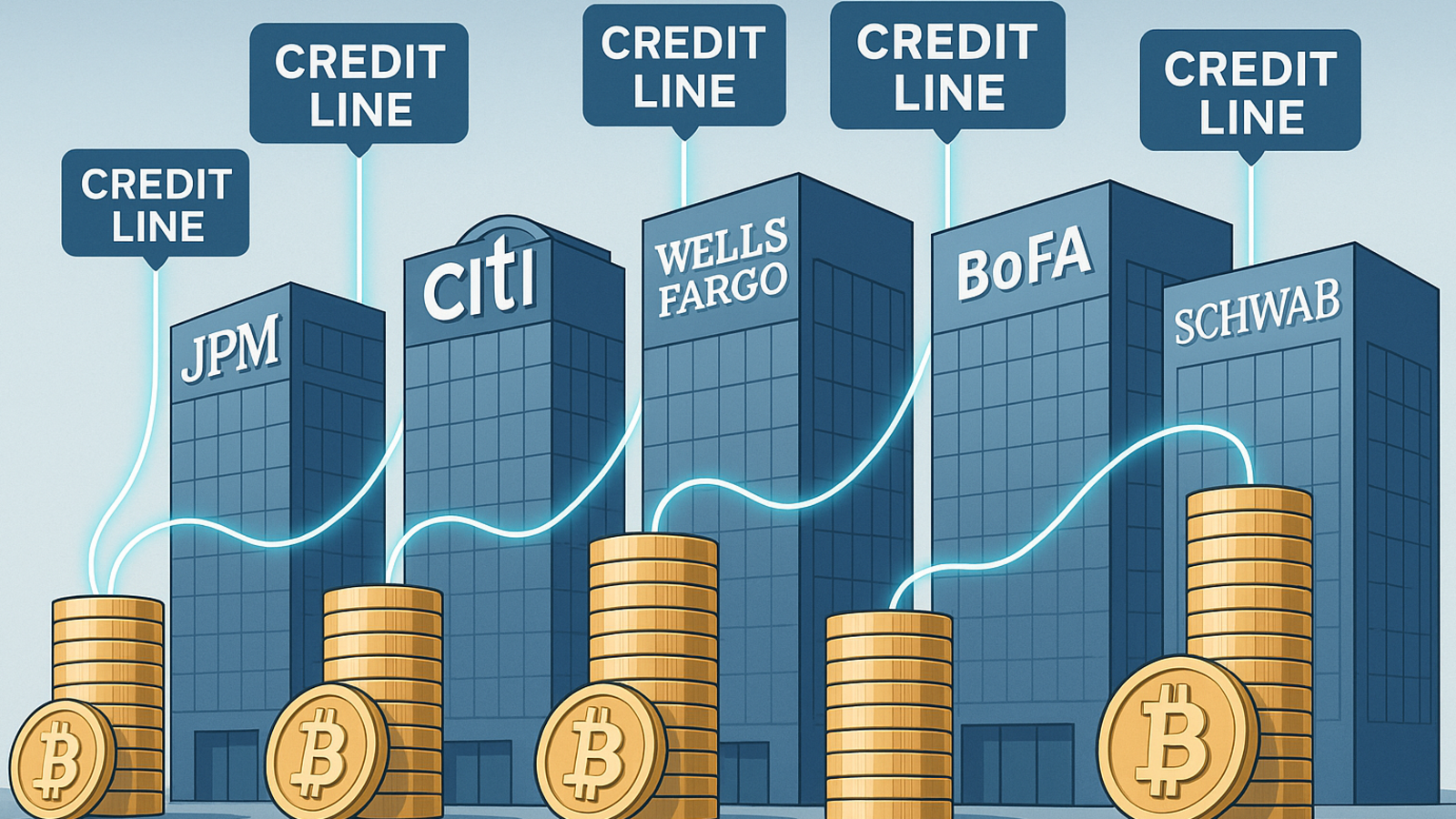
Michael Saylor says the relationship between big U.S. banks and bitcoin has flipped in less than a year. Speaking at the Bitcoin MENA conference in the Middle East, the Strategy executive chairman claimed that giants such as JPMorgan, Citi, Wells Fargo, BNY Mellon, Bank of America and Charles Schwab are now issuing credit lines backed either by bitcoin itself or by spot bitcoin ETFs like BlackRock’s IBIT. Just a year ago, he said, many of these same institutions would not touch the asset at all.
According to Saylor, roughly eight of the ten largest U.S. banks now offer some form of bitcoin collateralized lending or are preparing to launch it. The shift lines up with a broader move into custody and infrastructure. Reports in recent weeks describe JPMorgan’s growing book of BTC-backed facilities and BNY Mellon’s expansion from ETF custody into lending against held coins, while Citi and Schwab are building platforms they expect to roll out in 2026. None of these banks hold bitcoin directly on their own balance sheets yet, but they are increasingly comfortable treating it as collateral that can support dollar loans to wealthy clients and institutions.
Saylor argues that this lending push is the real tipping point for bitcoin in traditional finance. Research from firms like Kaiko shows crypto credit volumes surging this year, with banks already taking a meaningful share from DeFi protocols as they undercut on rates and offer familiar legal protections. In his view, these credit lines allow investors to unlock liquidity without selling their coins, which can reduce forced selling during drawdowns and deepen bitcoin’s role as a long term collateral asset across the banking system.
He also framed the trend as part of a larger geopolitical and regulatory story. Saylor told the audience he has met senior U.S. officials who increasingly view bitcoin as a strategic asset and pointed to political rhetoric about making the United States a leader in digital assets as evidence that the climate has changed. At the same time, he urged Middle Eastern governments and banks to move fast, arguing that regions willing to build bitcoin backed banking, credit and digital money products could position themselves as the next global capital for high value financial flows.



























































































.svg)
.svg)
.svg)
.svg)
.svg)
.svg)