
.svg)

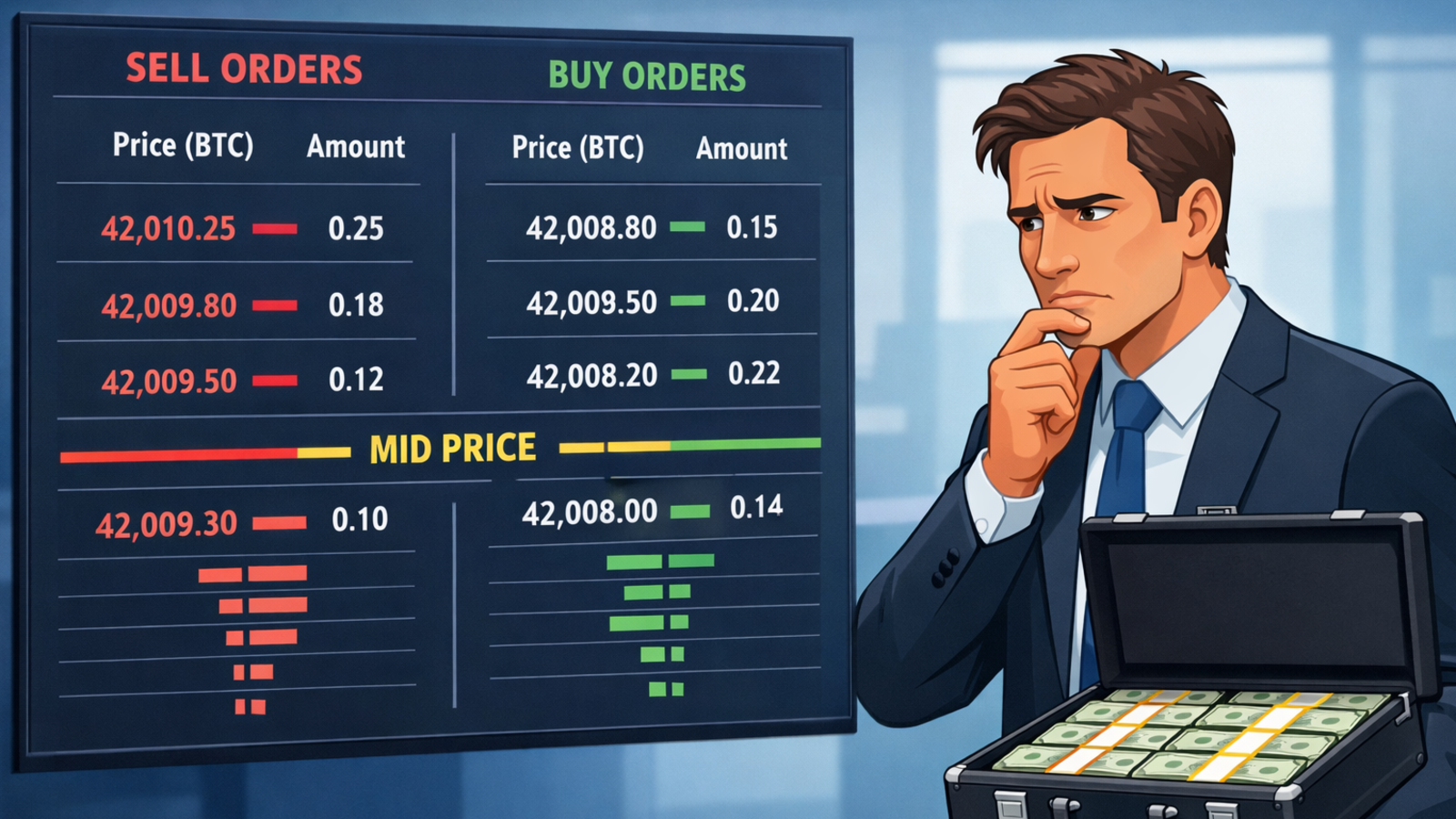
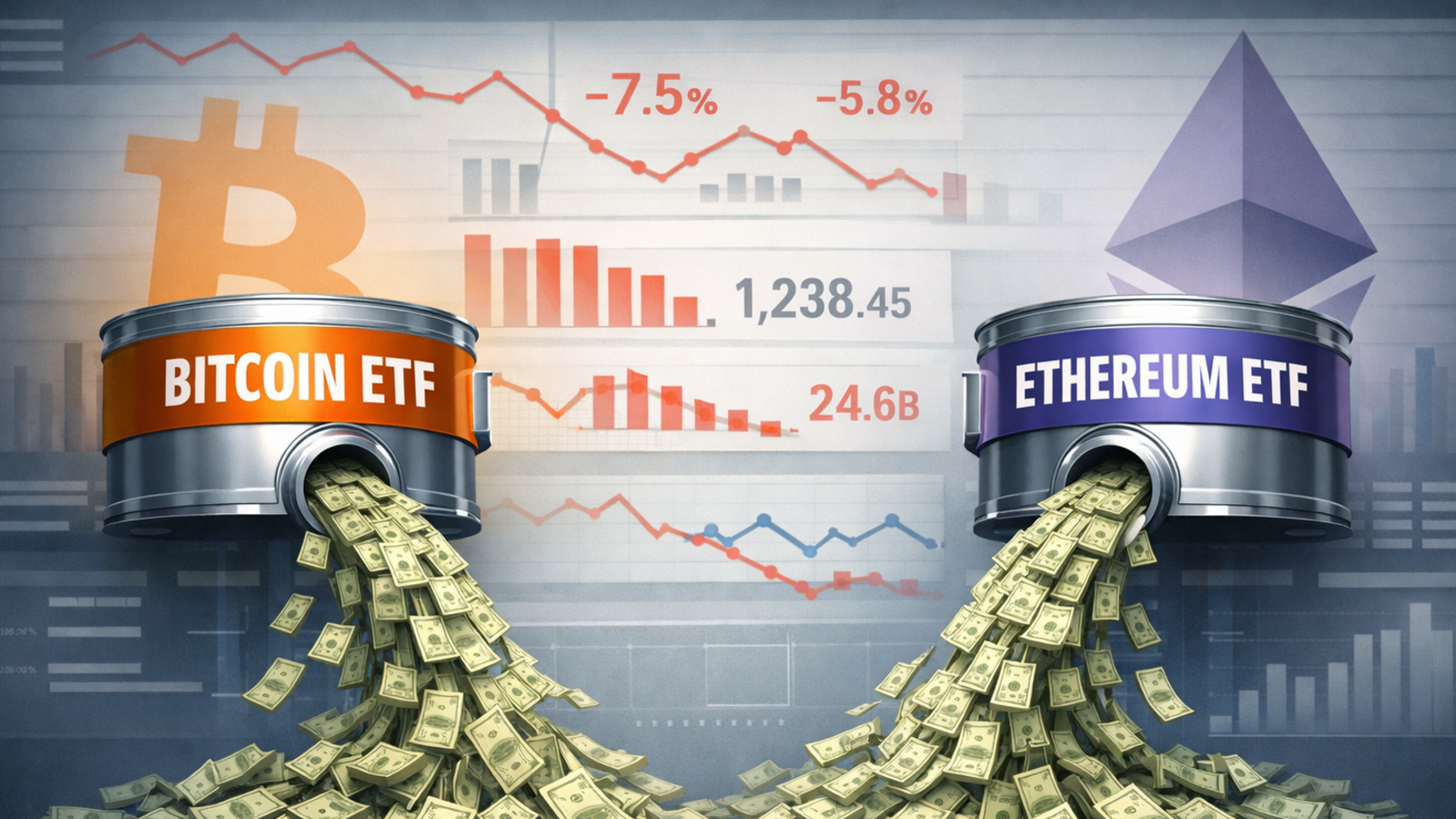
Jason Atkins, chief client officer at market making firm Auros, says the main problem holding back the crypto market today is not wild price swings but a basic lack of liquidity. Speaking ahead of Consensus Hong Kong, he told CoinDesk that market depth within 1 percent of the current price is far too thin to handle serious Wall Street scale orders, even though headlines often focus on institutional “interest” in bitcoin and other assets. In his view, the market structure is simply not ready to absorb large allocations without moving prices in an unstable way.
Atkins argues that this shallow order book is what really keeps big traditional players on the sidelines. Institutions need to be able to deploy hundreds of millions or even billions of dollars without blowing through the book in a few trades. When they look at crypto order books and see only modest size near the mid price, they conclude that they cannot enter or exit positions efficiently, no matter how attractive the long term thesis might be. That is why he sees building deeper two sided liquidity as more urgent than marketing roadshows or new ETF launches.
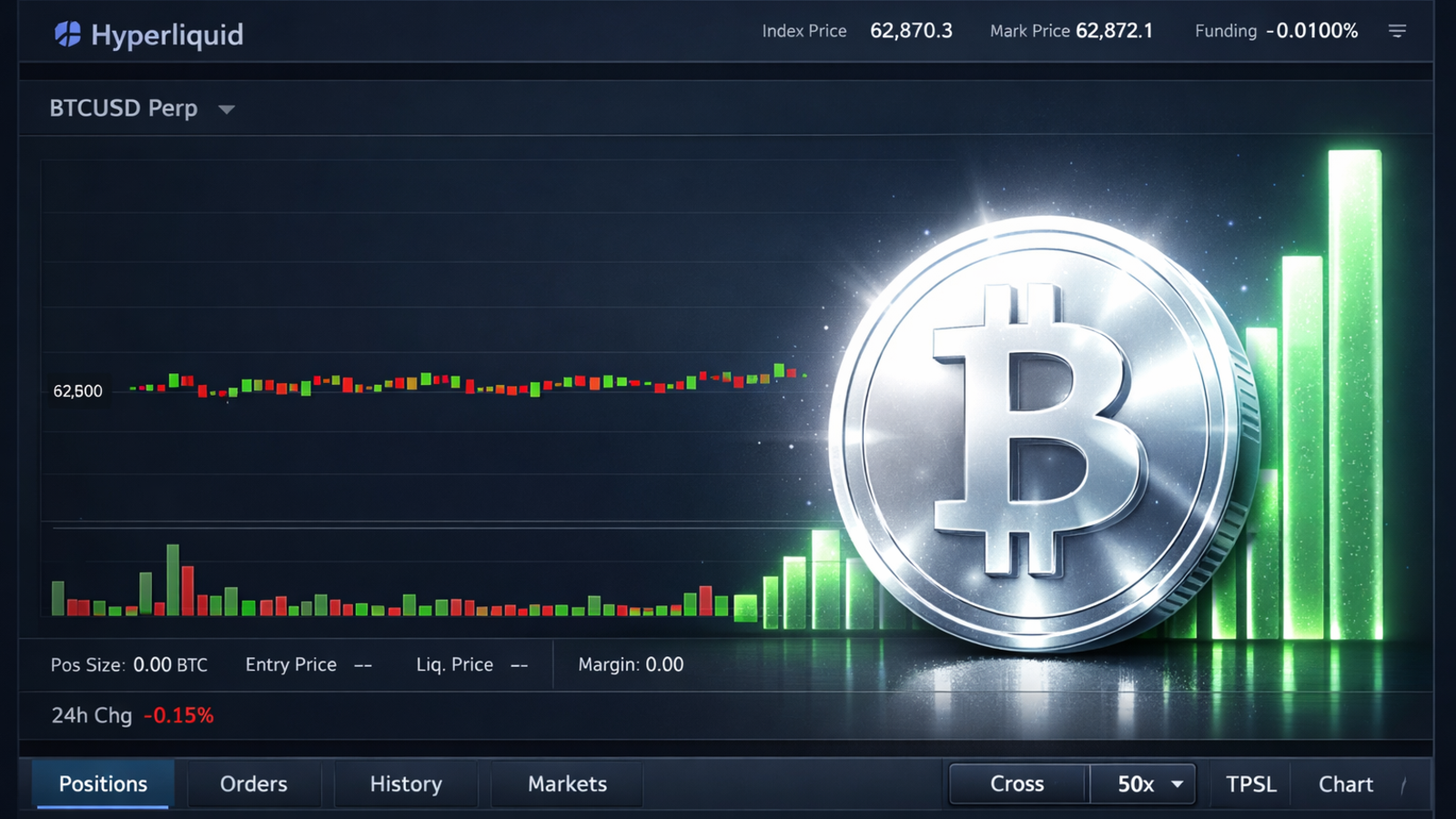
He traces today’s liquidity hole back to repeated waves of deleveraging in recent years. Events like the October 10, 2025 wipeout in crypto derivatives, where exchanges leaned heavily on auto deleveraging to close more than 2 billion dollars of positions in minutes, drove some market makers and active traders out of the space entirely. Academic work on that episode shows how aggressive liquidation and auto deleveraging queues can impose heavy costs on winning traders and make trading environments feel hostile, which further reduces the number of firms willing to quote tight spreads at scale.
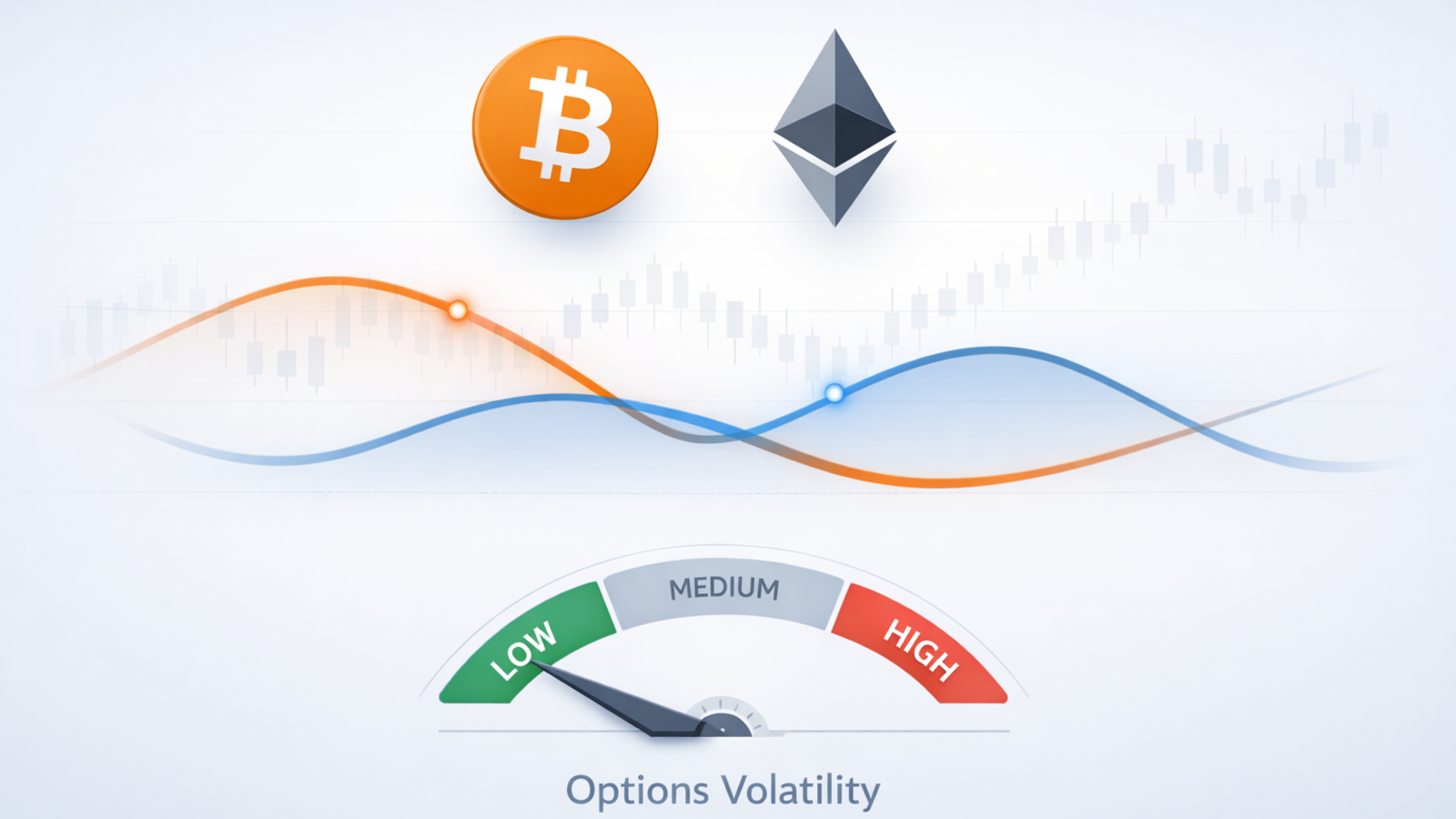
As liquidity providers step back, spreads widen and quoted size shrinks. That makes price moves more jagged for a given flow of orders and actually increases realized volatility, even though institutions say they want the opposite. Atkins describes this as a vicious circle. Thin liquidity makes volatility look worse under risk models, risk teams then clamp down on crypto exposure, which cuts flows and leaves even fewer incentives for market makers to commit capital. The result is a market that looks big on paper but behaves like a much smaller venue once anyone tries to trade size.
For Atkins, the path forward is clear. Crypto needs more robust market making infrastructure, better designed derivatives venues and rules that make auto deleveraging and forced liquidations less damaging, so that liquidity providers can stay in the game through stress. Only once books can comfortably absorb institutional orders, he says, will the sector be ready for the next wave of capital. Until then, lack of depth rather than lack of hype will remain the real constraint on crypto’s growth.
























































































.svg)
.svg)
.svg)
.svg)
.svg)
.svg)