
.svg)

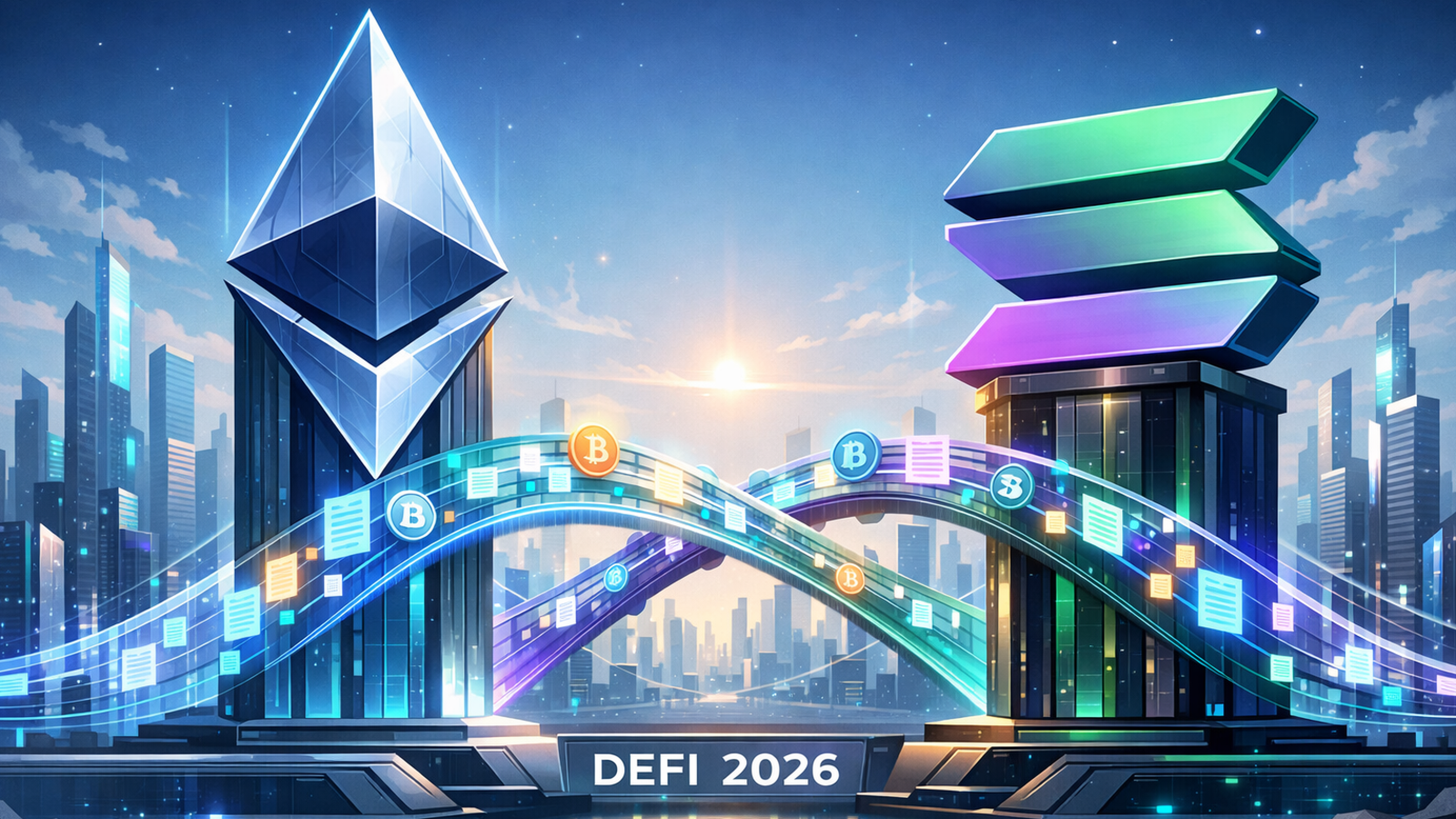
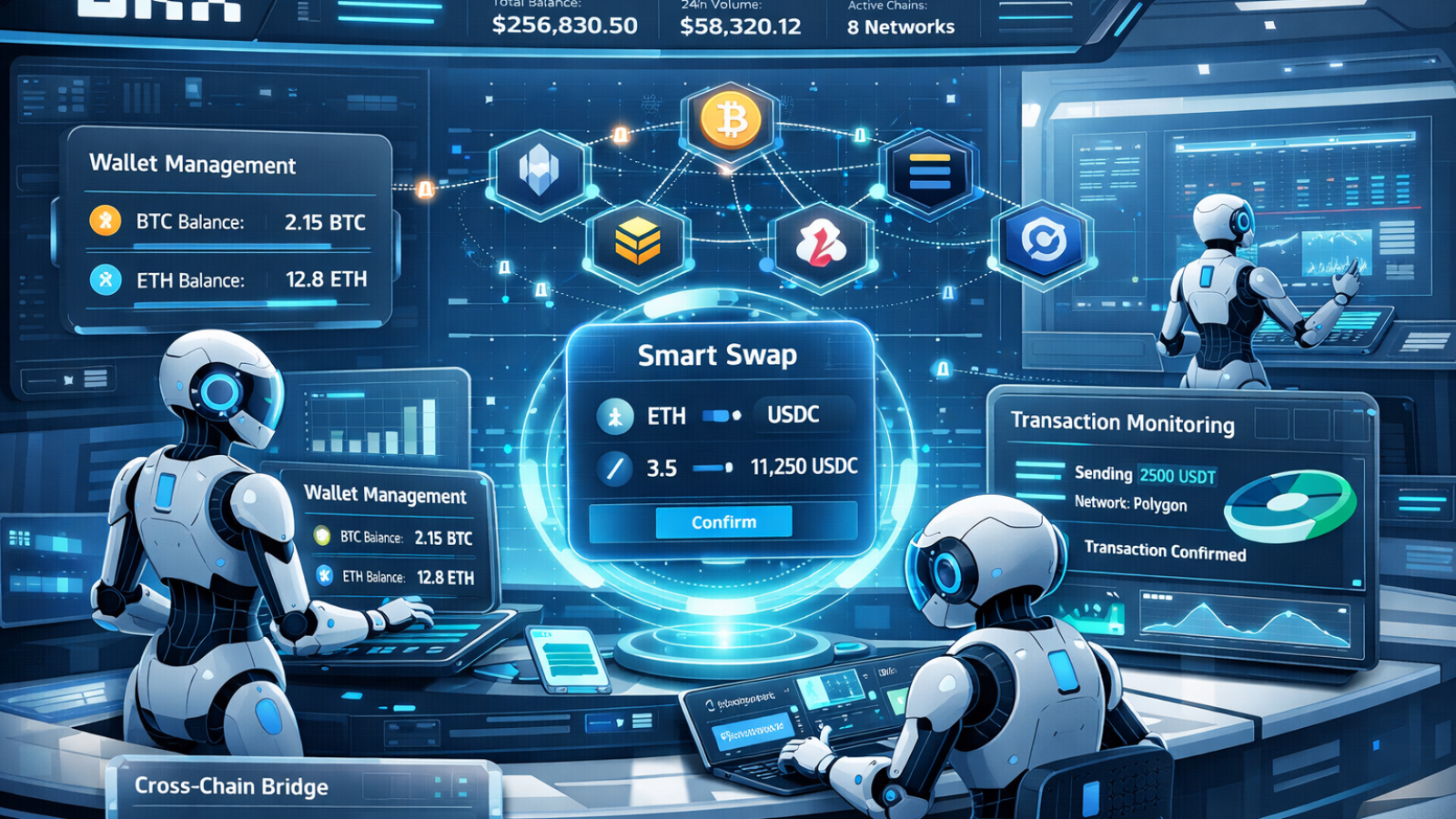
After a turbulent few years, 2025 turned into a consolidation phase for DeFi, with the largest smart contract networks focused less on flashy launches and more on rebuilding the foundations. Across the ecosystem, major layer 1 chains spent the year improving interoperability tools and experimenting with real world financial use cases such as tokenized assets and onchain credit, rather than chasing speculative yield loops.
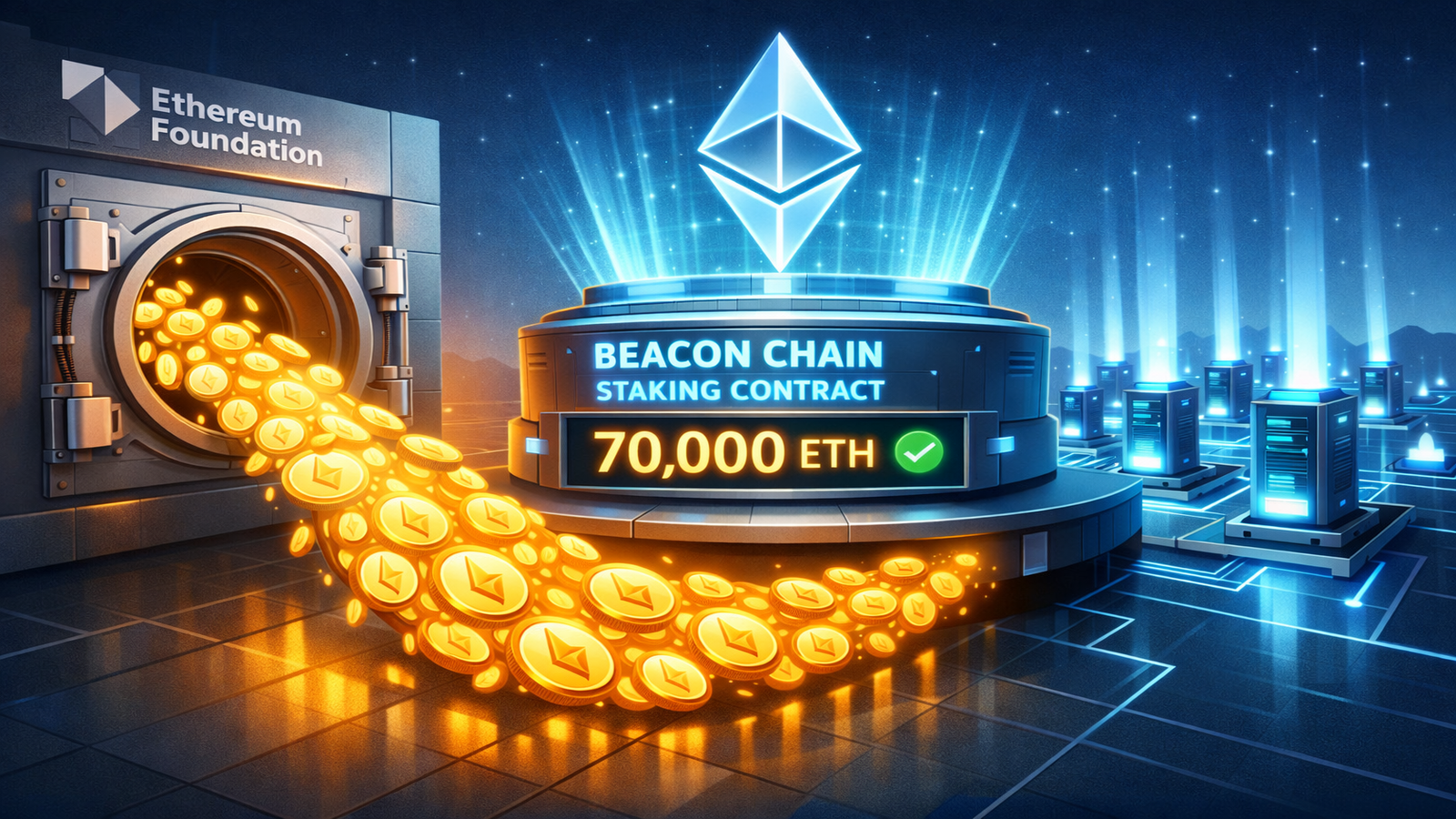
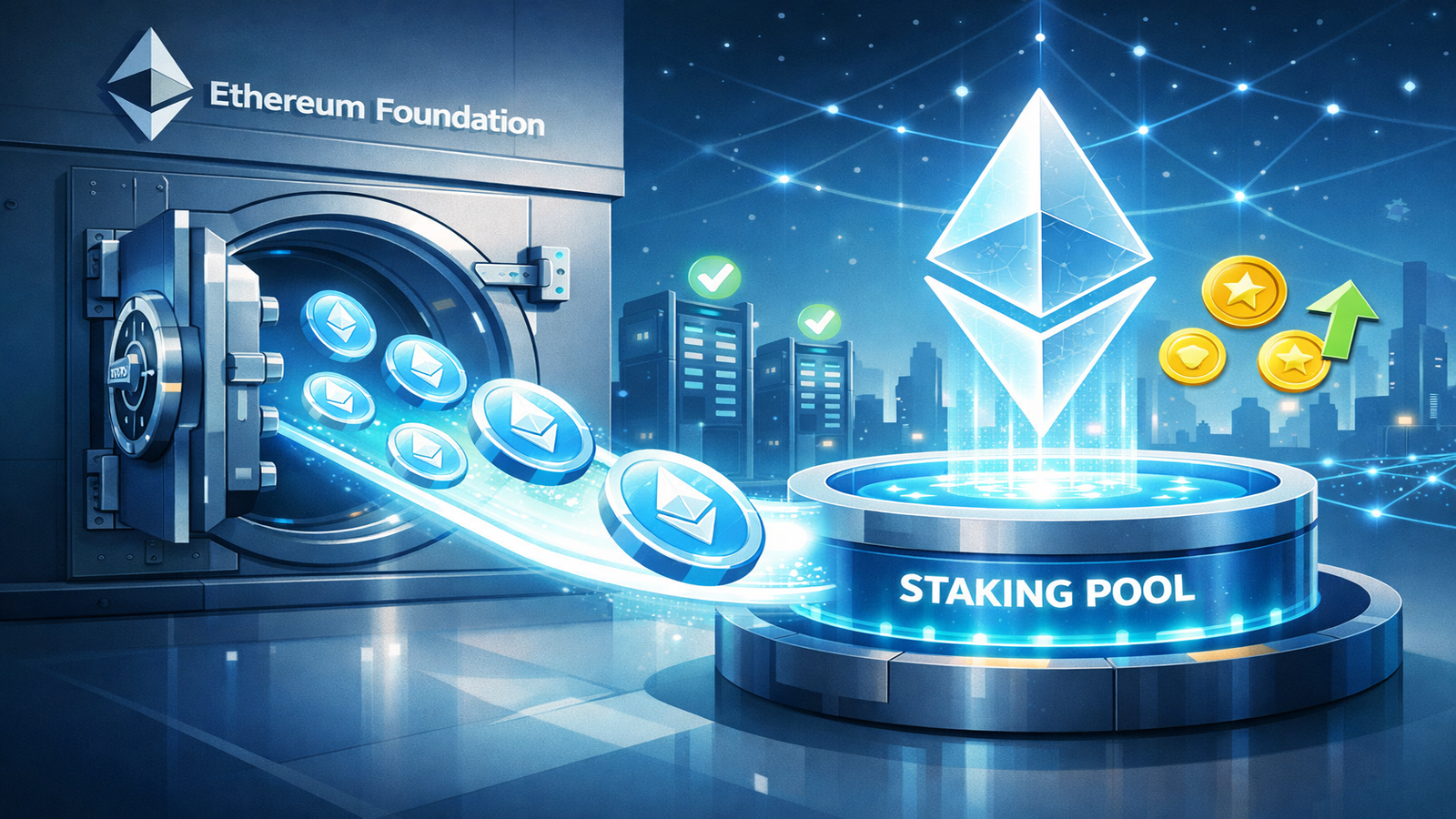
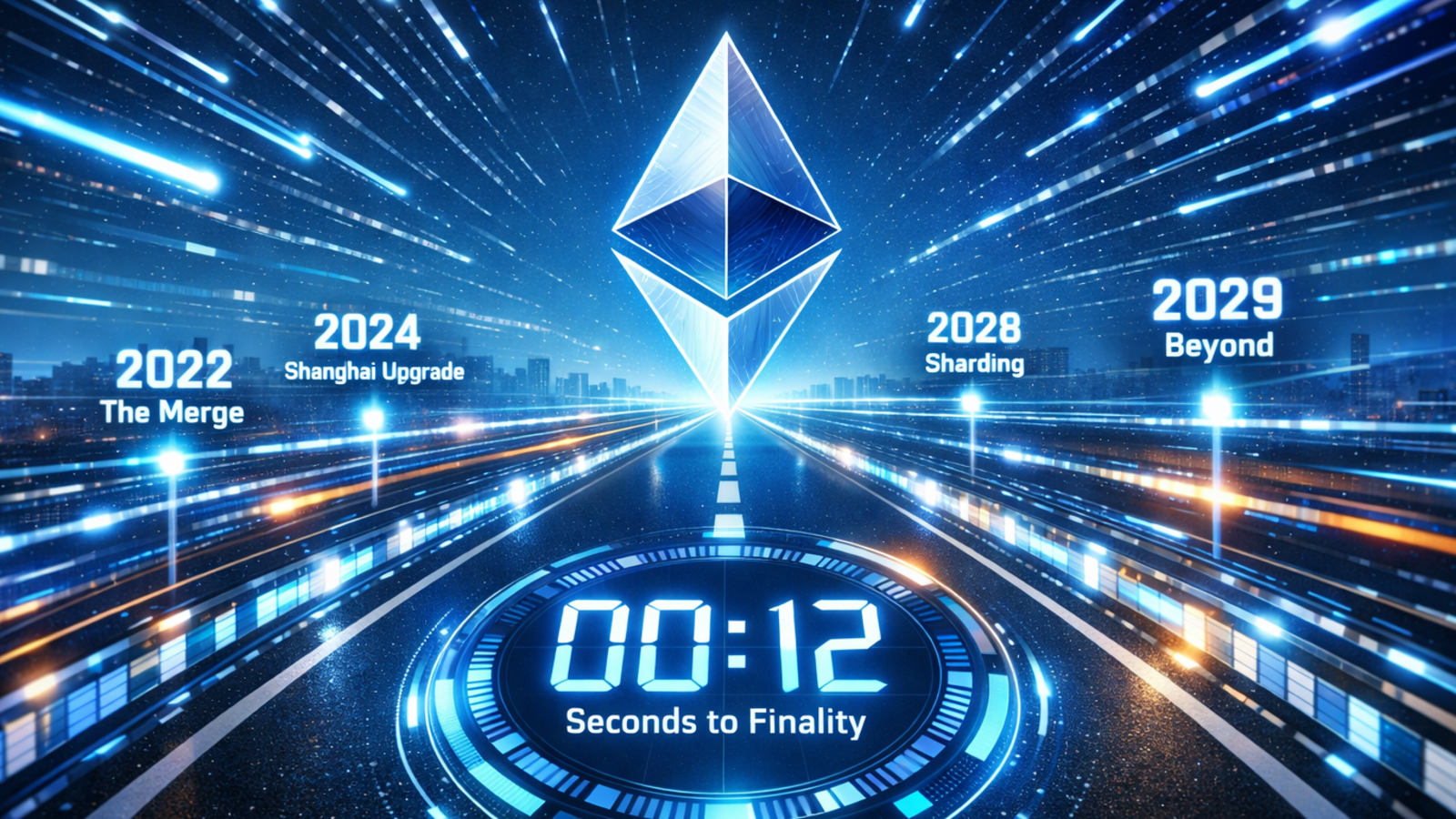
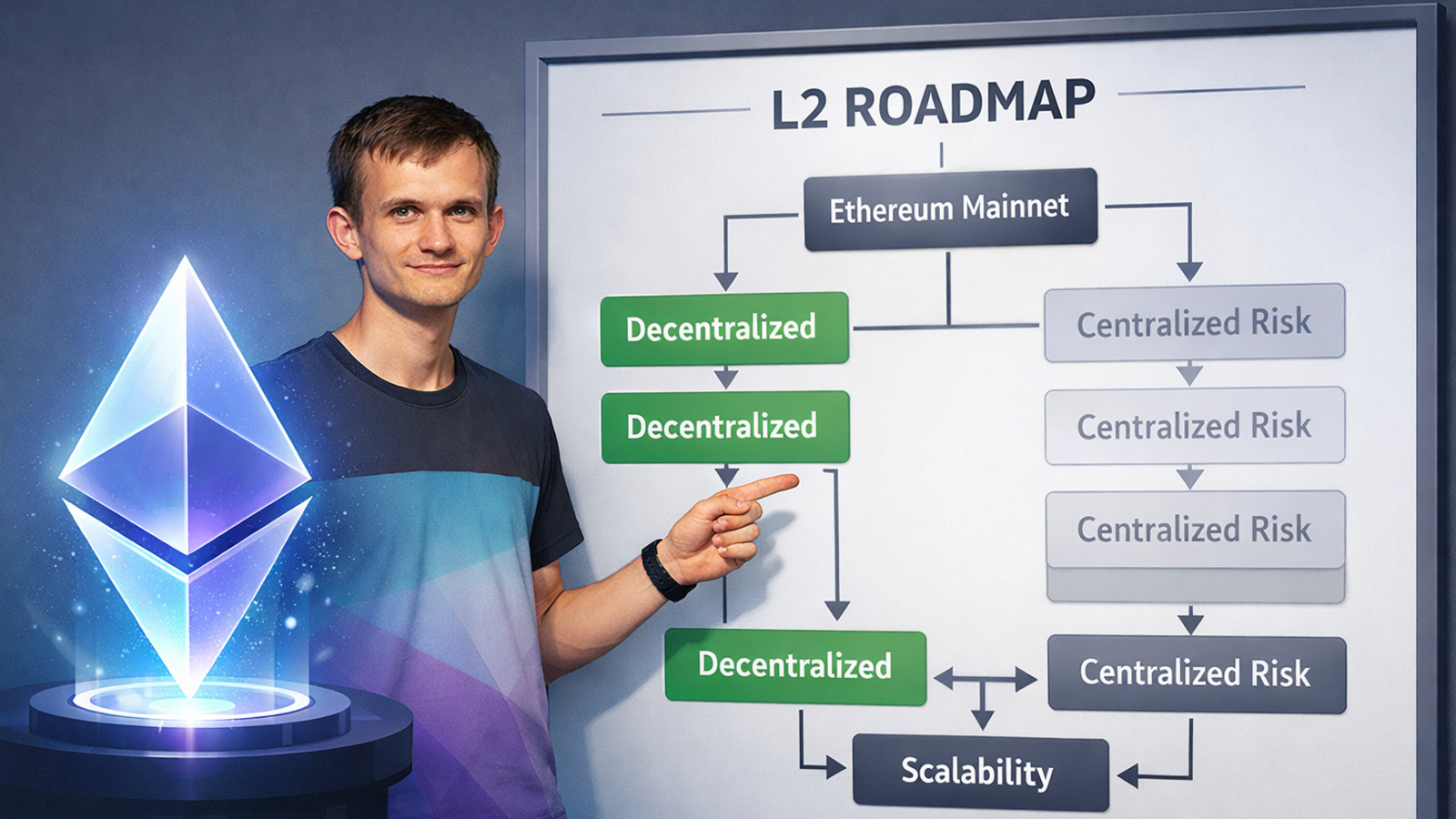
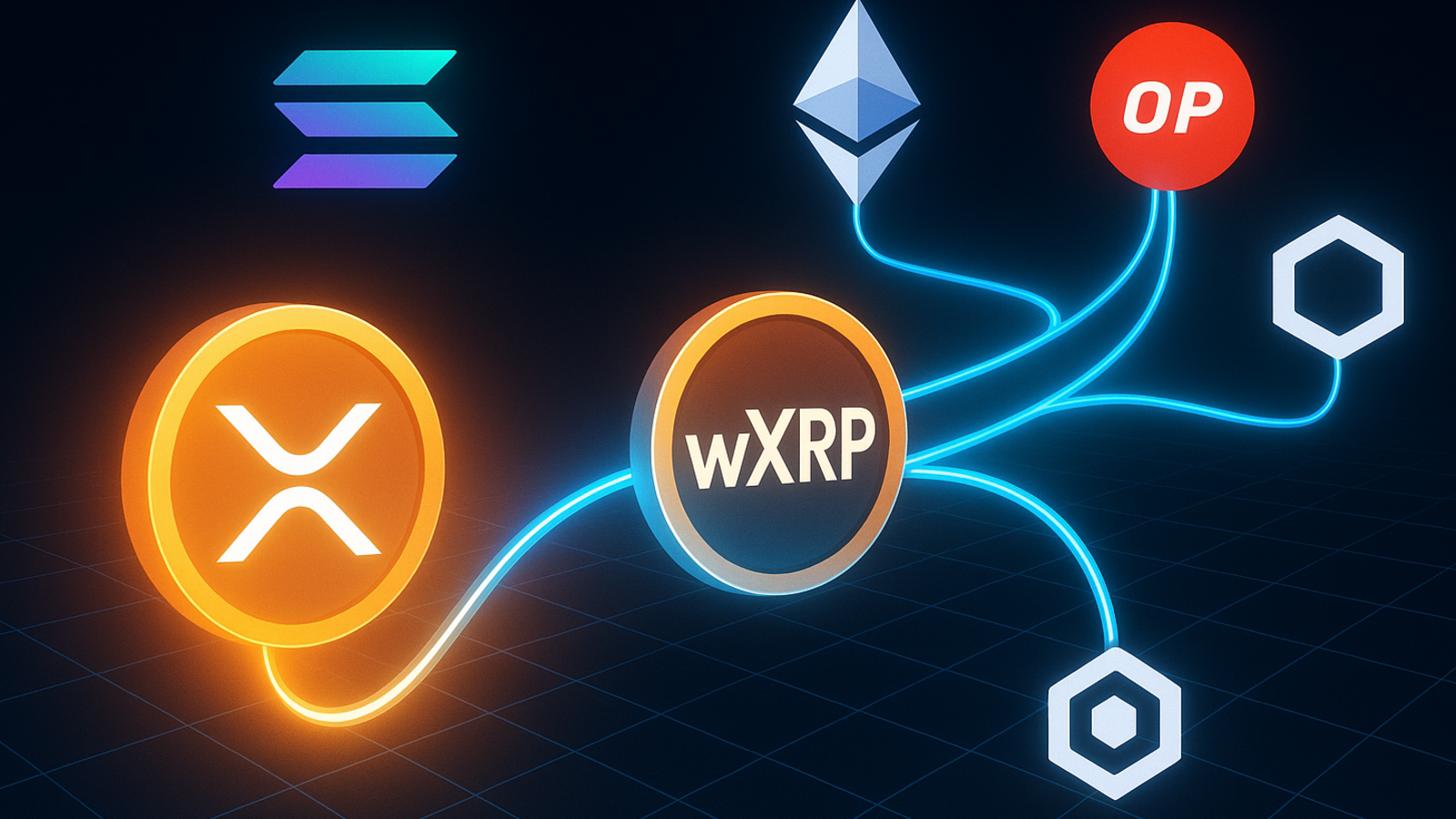
On Ethereum, that reset showed up as a clear rise in institutional participation and steady progress on scaling. New rollup infrastructure, data availability upgrades and maturing liquid staking products made it easier for funds, neobanks and corporates to hold and use ETH without running into the same congestion problems that defined earlier DeFi cycles. Builders increasingly treated interoperability as the next big challenge, working on cross chain messaging and shared liquidity so that Ethereum can act as the backbone for a wider network of rollups and appchains heading into 2026.
Solana took a different but complementary path. Rather than focusing on new narratives, the network spent much of 2025 stress testing its throughput under real demand and hardening core infrastructure after earlier outages. High volume trading, NFT activity and payments gave developers repeated chances to refine client code, improve validator performance and strengthen tooling for monitoring and recovery. That work is meant to leave Solana better prepared for larger financial flows and more demanding DeFi applications in the coming year.
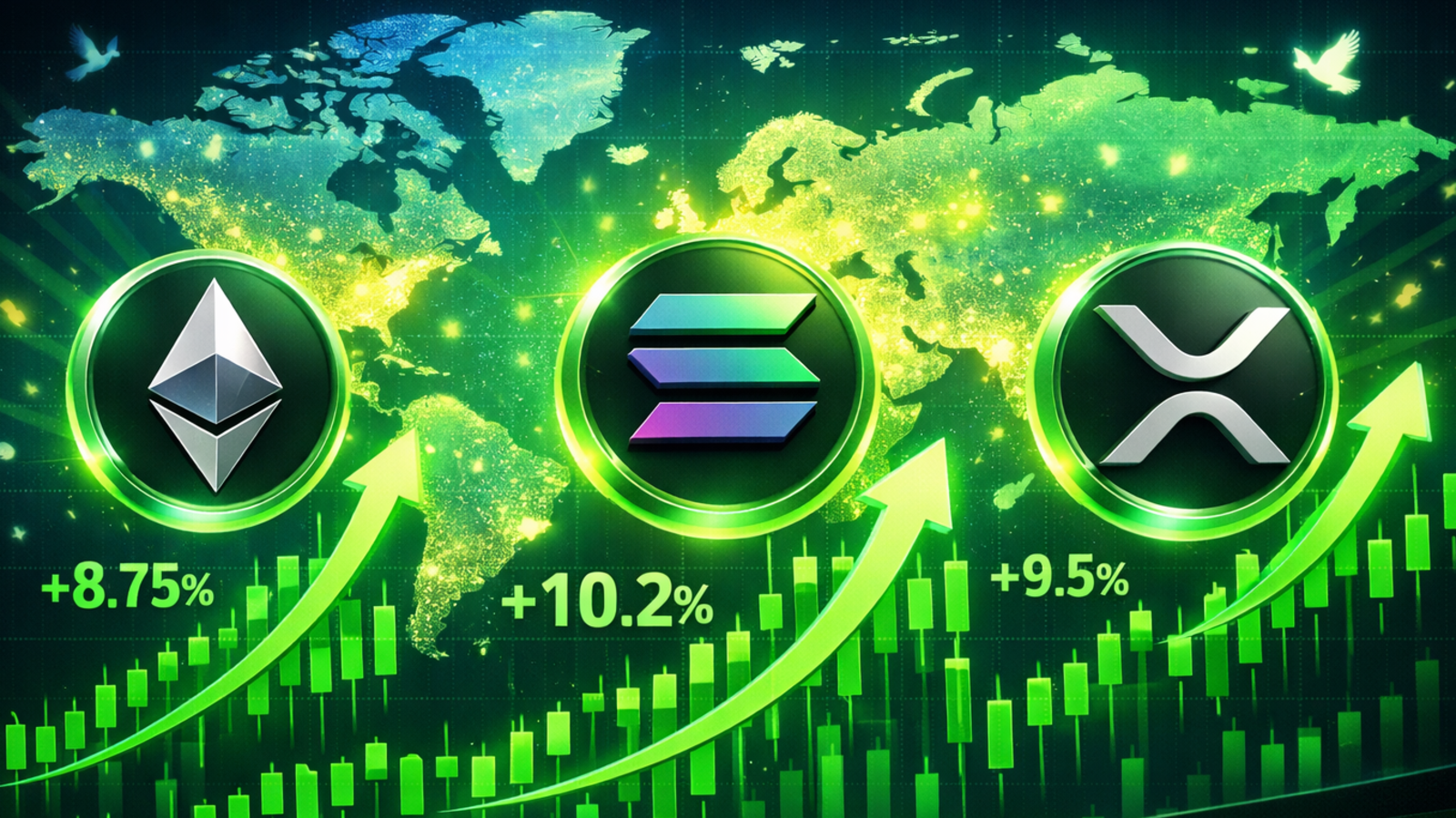
Taken together, Ethereum and Solana now look like the twin anchors for a possible DeFi reboot in 2026. One is leaning into institutional adoption, rollup based scaling and interoperability, while the other is focused on raw performance and a hardened single chain execution environment. Both are positioning themselves for deeper real world finance experiments rather than a repeat of the purely speculative yield farming era. For traders, builders and institutions watching from the sidelines, the groundwork laid in 2025 suggests that the next DeFi wave could be defined less by experiments and more by systems that are ready for scale.























































.svg)
.svg)
.svg)
.svg)
.svg)
.svg)