
.svg)


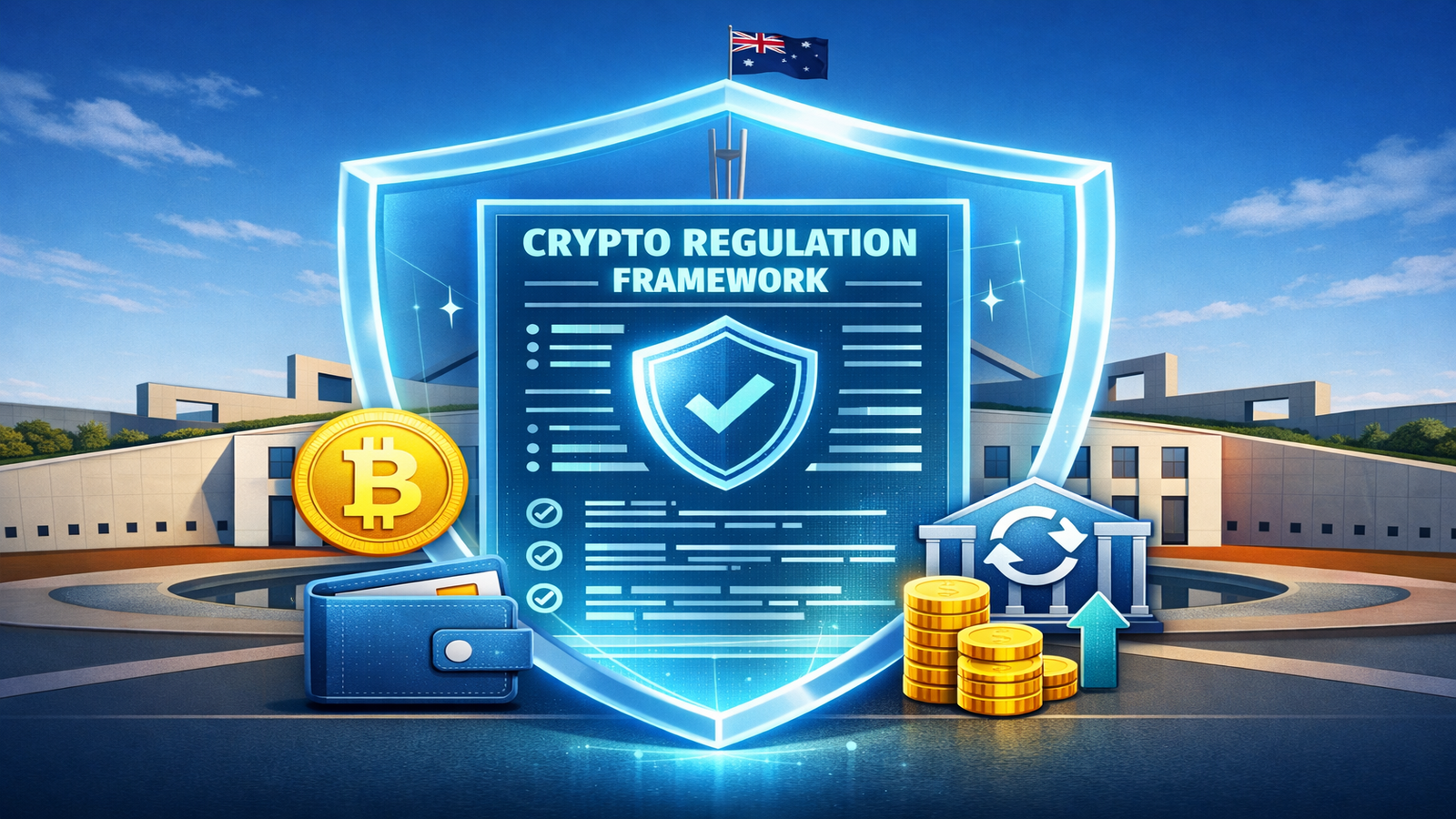
A year ago a group of crypto lawyers wrote an open letter to President Trump that spelled out what the United States would need to do if it really wanted to become the global center of the digital asset industry. One year into the new administration they have gone back to that checklist and graded the results. Their conclusion is that the target no longer feels like political marketing. It now looks like something that could be achieved if current momentum in policy and market structure is sustained.
On the category of supporting companies the authors give the United States an A minus. They point to a friendlier posture from key agencies, more direct engagement between regulators and industry, and concrete steps such as the Senate Agriculture Committee advancing a digital asset market structure bill out of committee on a party line vote. The White House has also convened repeated meetings between banks, exchanges and stablecoin issuers to hammer out compromises on issues like yield and custody, which shows that digital assets are now treated as a serious policy topic rather than a fringe curiosity.
Where the grades slip is on the business environment and on how well policy tracks core crypto values such as decentralization, open access and technological neutrality. On those dimensions the report gives a B for the overall environment and a B plus for crypto values. Enforcement actions are still uneven, the main market structure package is not yet law, and the Senate Banking Committee’s companion bill remains stuck over disagreements on topics like stablecoin yield and the treatment of software developers. At the same time the authors see meaningful progress compared with the letter they published in early 2025, including clearer legislative language around which assets are commodities, a more visible role for the Commodity Futures Trading Commission, and growing recognition in Congress that over aggressive rules could push innovation offshore.
The piece ends on a cautious note. The writers argue that speeches about making America the crypto capital of the world do not matter unless they are backed by durable legal frameworks that survive changes in administration and market cycles. In their view the past year has delivered incremental but real movement in that direction. The grades on the report card are not straight As, but they are high enough that the ambition of global leadership now feels achievable instead of aspirational, provided lawmakers can finish the work on market structure and stablecoin rules without sacrificing the basic principles that made crypto valuable in the first place.
































































































.svg)
.svg)
.svg)
.svg)
.svg)
.svg)