
.svg)

Ethereum has just logged the busiest day in its history. On 16 January 2026 the network processed 2,885,524 transactions in twenty four hours, the highest daily count ever recorded on Ethereum according to on chain data from Glassnode and Etherscan. This new peak caps a sharp pickup in activity that started in mid December and reversed the gradual slowdown that had stretched through most of 2025.
What makes this surge stand out is that the network did not choke on the load. Average fees stayed near recent lows, with many transactions costing well under twenty cents and some swap operations priced only a few cents, far below the painful levels seen during earlier booms. Analysts credit a mix of recent protocol upgrades and the growing role of layer 2 rollups, which now absorb a large share of execution and leave the main chain focused on settlement rather than every small user interaction.
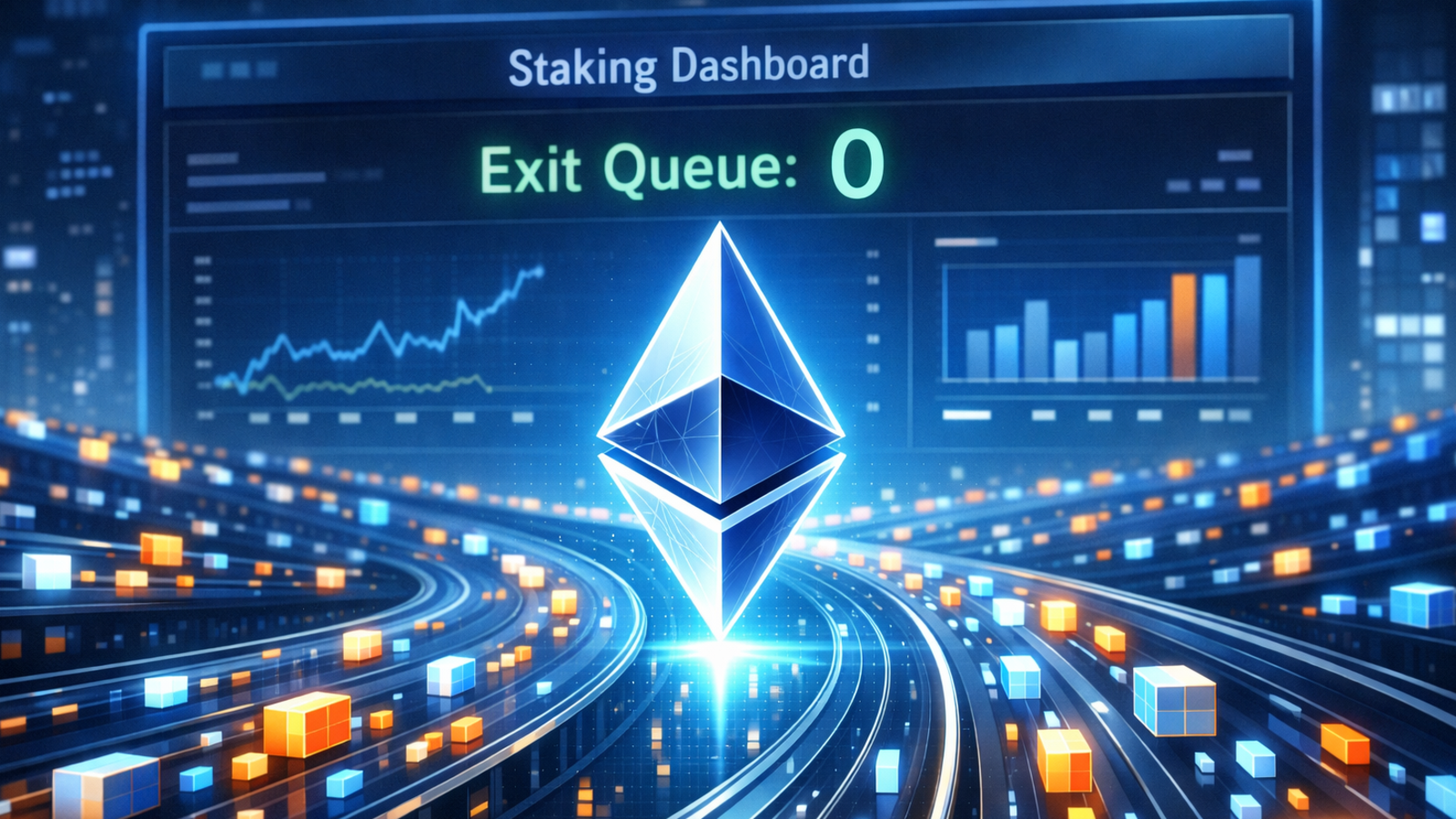
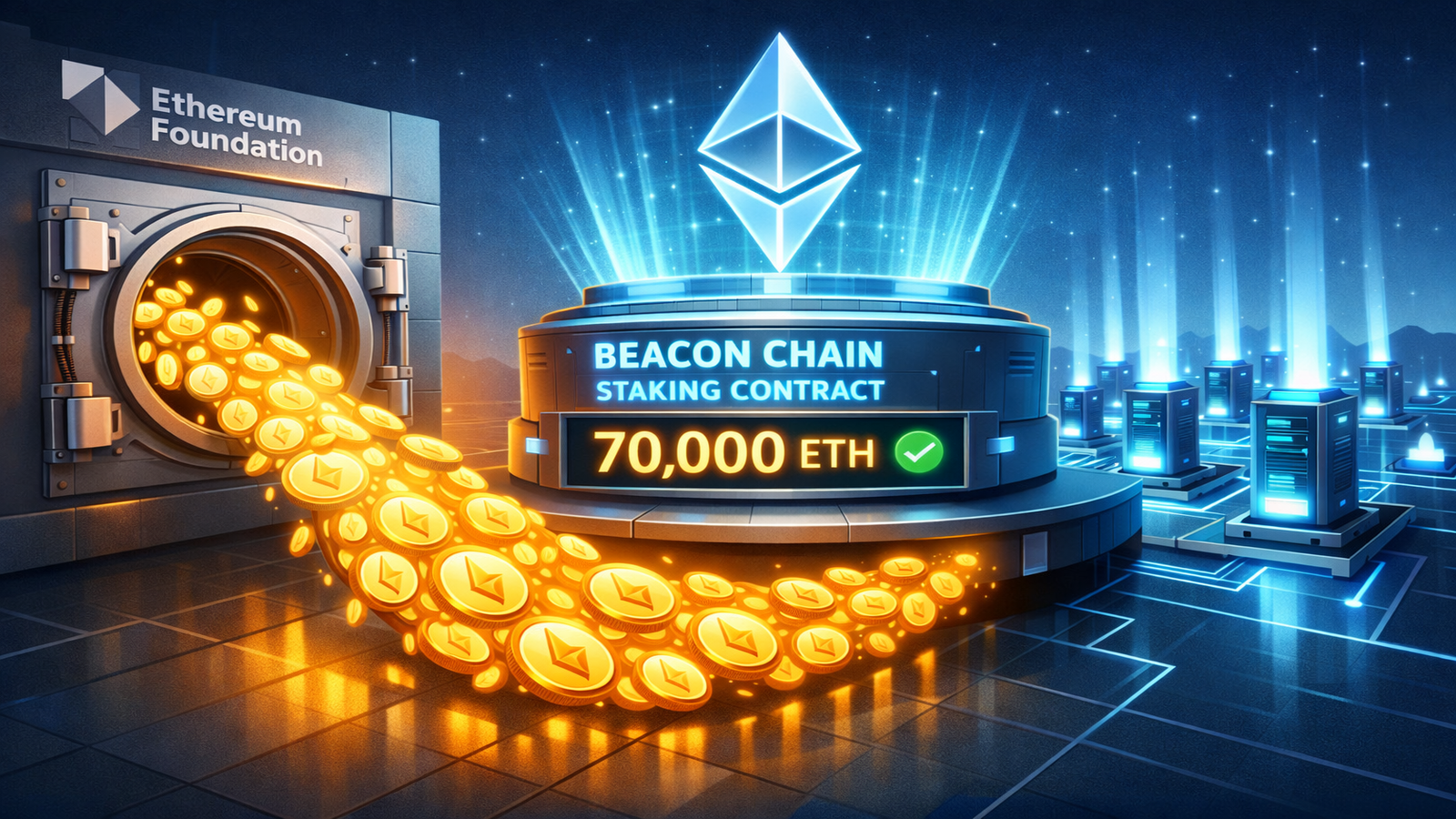
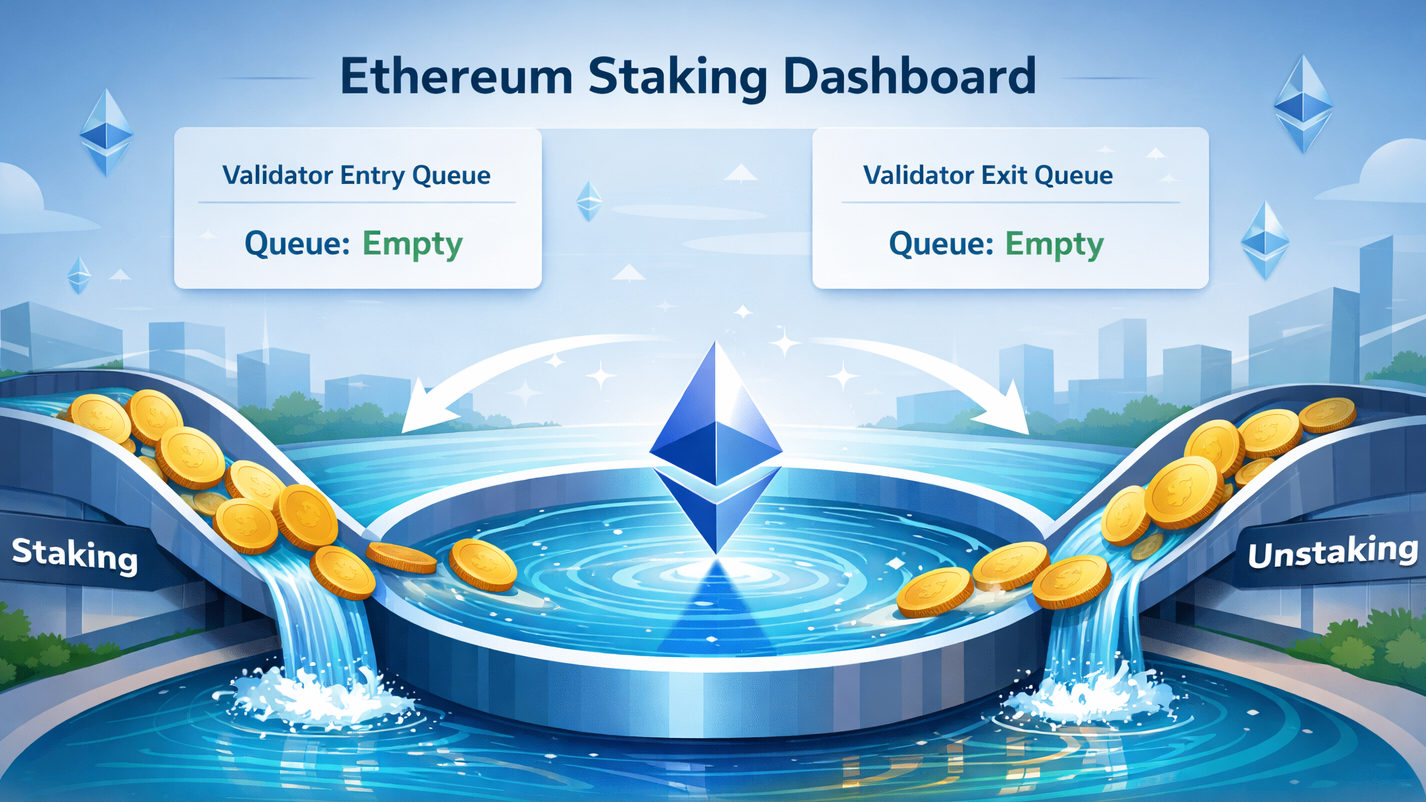
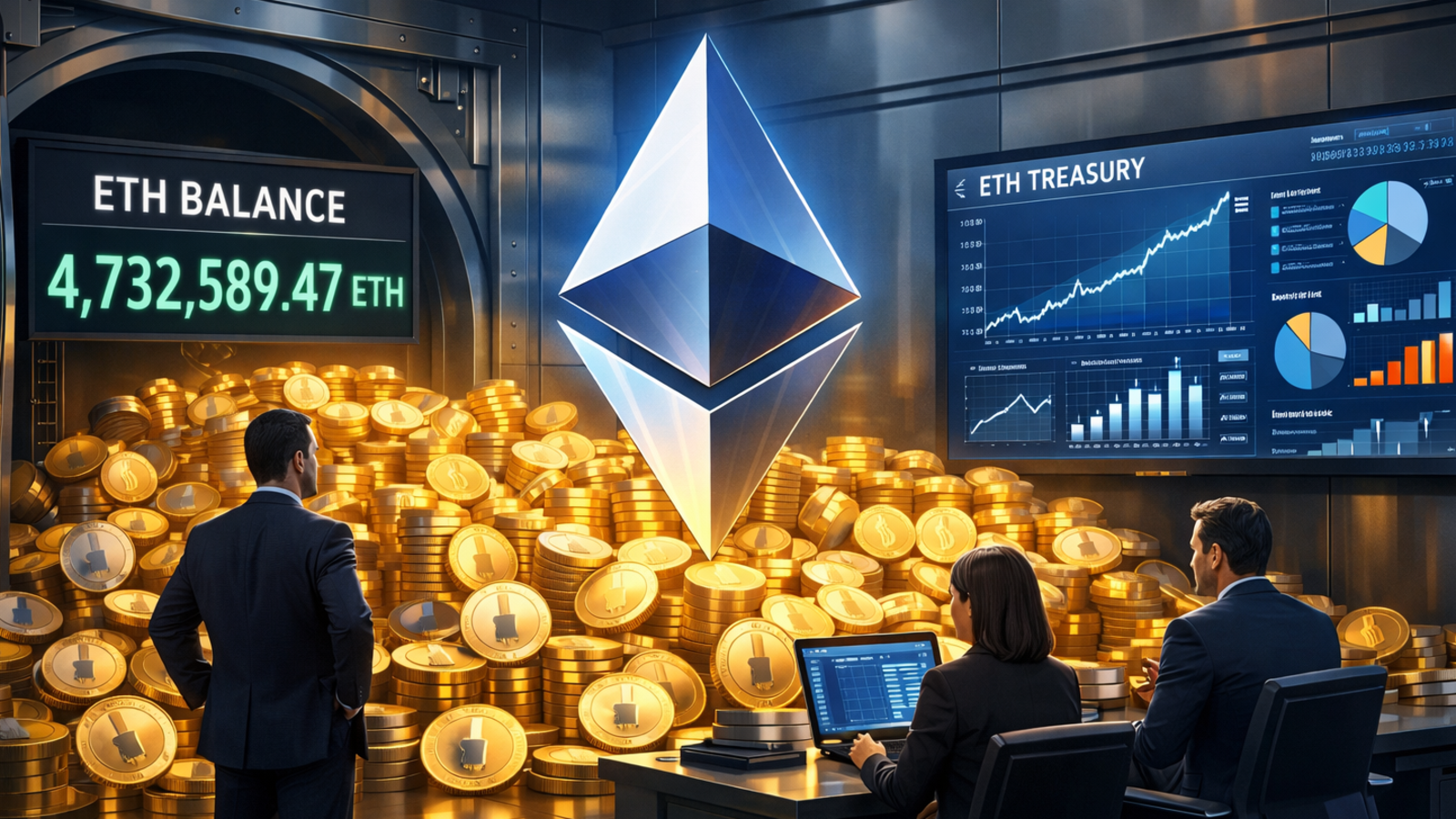
At the same time Ethereum’s staking mechanics have quietly shifted into a new phase. The validator exit queue, which measures how many stakers are waiting to withdraw, has dropped to zero, meaning anyone who chooses to exit can be processed almost immediately instead of waiting days or weeks. Entry queues for new validators are still long, which shows that demand to stake remains strong even though the system no longer has a backlog of people trying to get out.
The combination of record transaction throughput, low fees and an empty exit queue paints a picture of a network that is both heavily used and relatively stable. On chain analysts say this reduces one obvious source of sell pressure, since there is no visible line of validators waiting to unlock and potentially send ETH back to exchanges, while the high and steady transaction counts suggest that DeFi, stablecoins, NFTs and newer consumer applications are all contributing to a broader base of activity rather than a single short lived hype cycle.




































































.svg)
.svg)
.svg)
.svg)
.svg)
.svg)