
.svg)


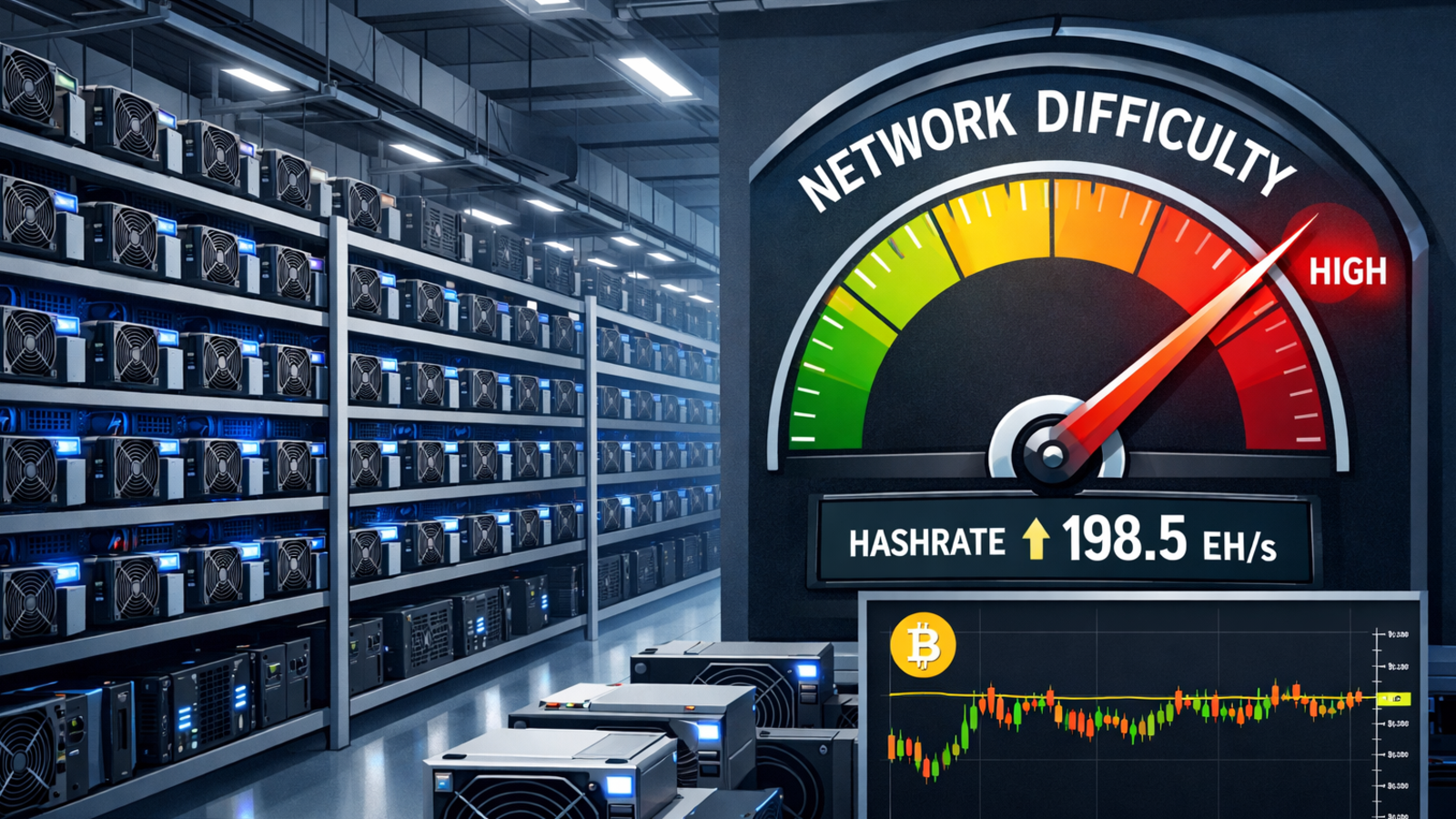
Bitcoin miners are under growing pressure as hashprice—the revenue earned per unit of computing power—continues to decline, hovering close to $40 per petahash per second per day. This drop is pushing many operations into survival mode, especially smaller and less efficient ones that struggle to stay profitable in a highly competitive environment.
The downturn comes after Bitcoin’s recent price correction and a sharp increase in network difficulty, both of which have made mining less rewarding. With operational costs like energy and hardware maintenance remaining high, miners are now being forced to either optimize their operations or scale back to avoid deeper losses.
Some mining firms are exploring new strategies, including relocating to regions with cheaper electricity or investing in more efficient machines. However, these shifts require capital and time—resources that not all players have readily available. Analysts warn that unless hashprice improves or Bitcoin rallies sharply, further consolidation in the mining sector is likely.
Despite the current strain, larger mining companies with strong balance sheets may emerge stronger, gaining a larger share of the network as weaker players exit. The coming weeks will be critical as the industry navigates a tightening market with limited breathing room.


































































































.svg)
.svg)
.svg)
.svg)
.svg)
.svg)