
.svg)


Ethereum’s latest upgrade, known as Fusaka, has triggered a visible jump in on chain activity, but JPMorgan analysts doubt the surge will turn into lasting growth. In a note to clients, the bank said the December upgrade increased Ethereum’s data capacity and immediately pushed transaction fees lower, which helped lift both transaction counts and active addresses. Fusaka builds on 2025’s Pectra release, which itself followed the Dencun upgrade that had previously nudged much of the traffic toward layer 2 networks instead of the main chain.
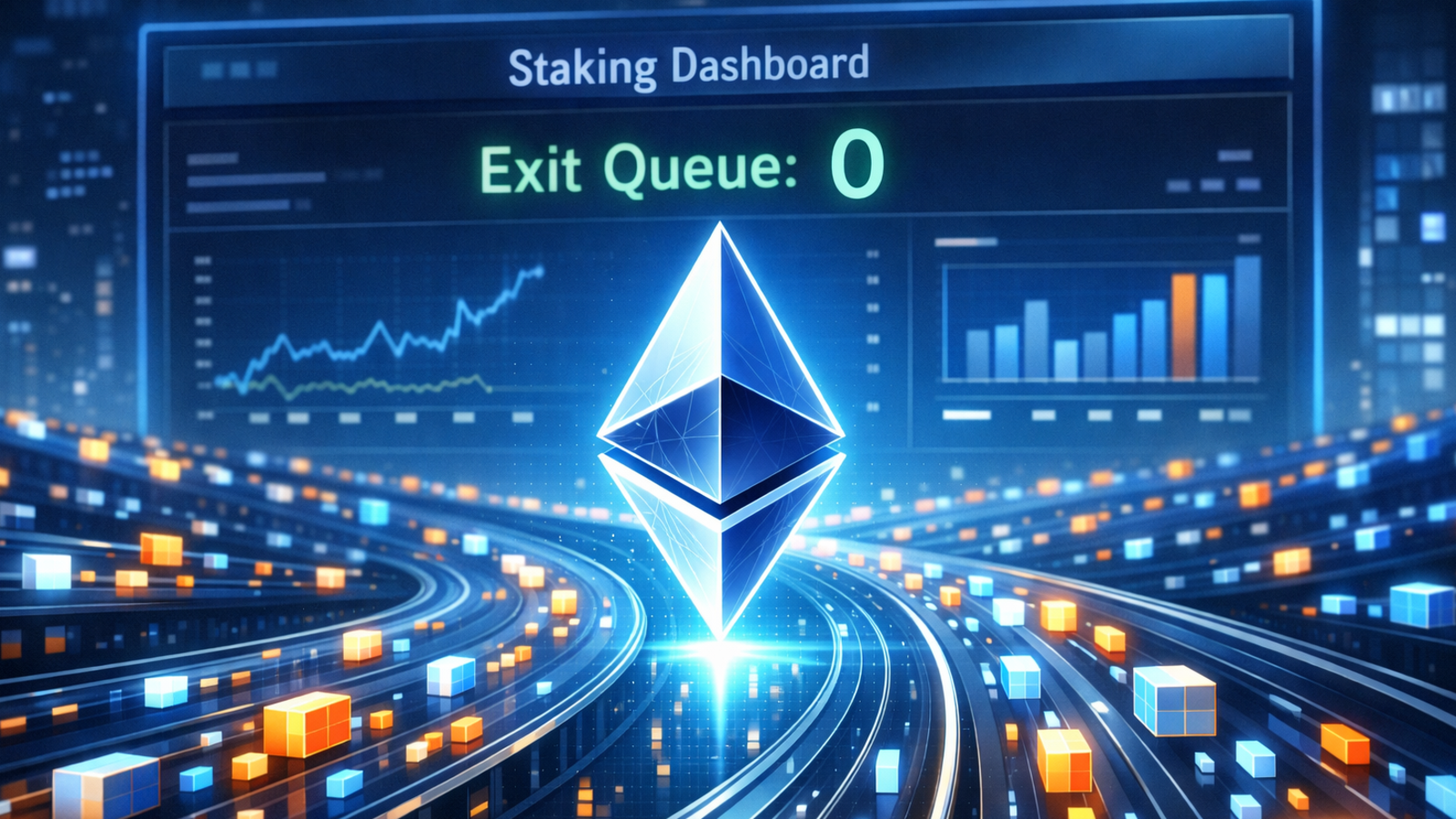
Fusaka’s core change was to raise the number of data “blobs” that can fit into each block. These blobs are used heavily by rollups that post their data to Ethereum for security and data availability. By allowing more blob data per block, the upgrade eased congestion and made it cheaper for rollups to operate, which translated into lower end user fees and higher throughput across the stack in the days following the change. That is the short term boost JPMorgan acknowledges in its report.
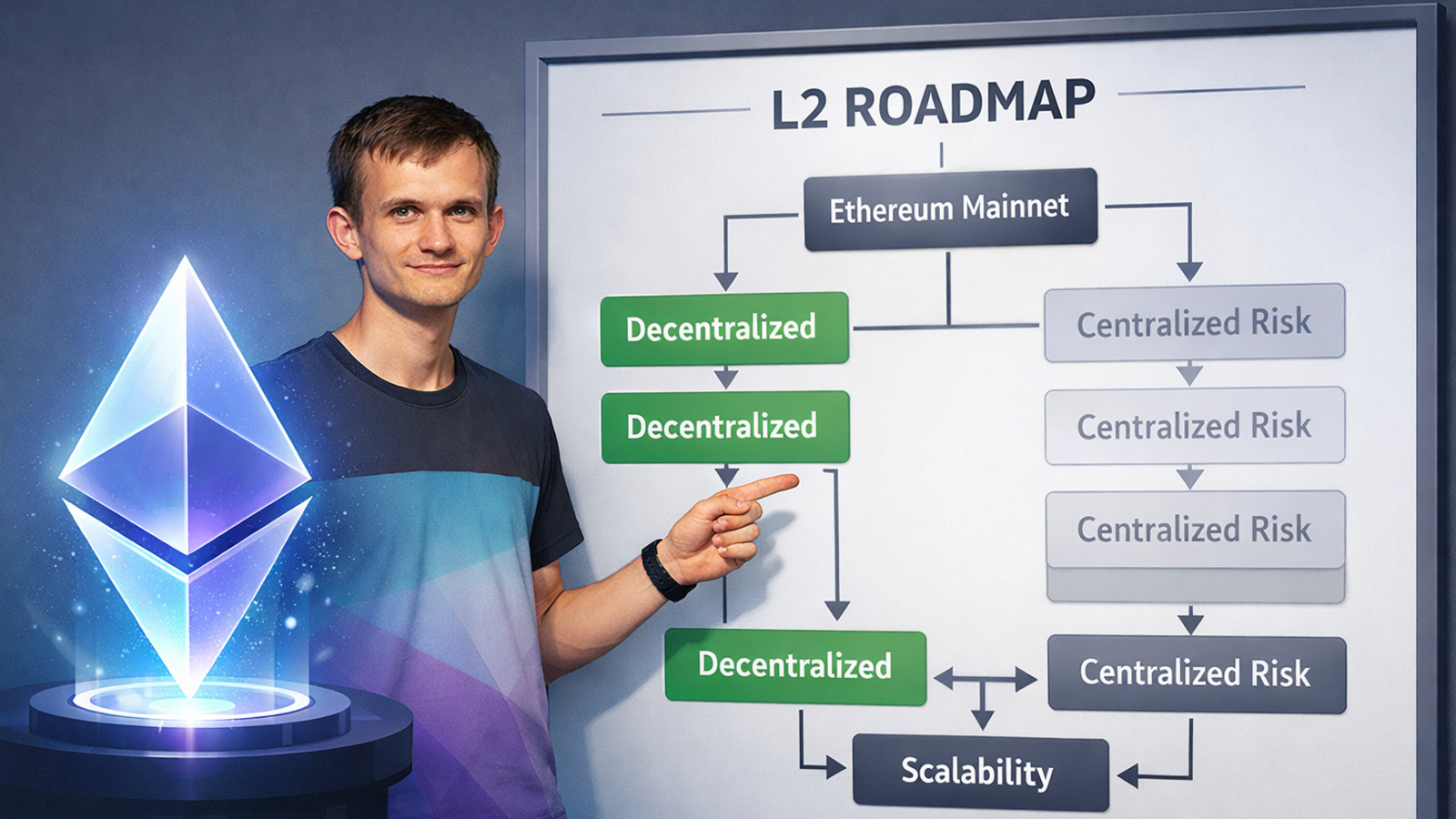
The bank’s concern is that this pattern looks familiar. JPMorgan’s team, led by Nikolaos Panigirtzoglou, pointed out that prior upgrades have often produced a burst of activity that later faded as users and developers continued to migrate to cheaper or faster environments. A growing share of volume now sits on layer 2s such as Base, Arbitrum and Optimism, with Base already responsible for the largest slice of revenue among those networks. At the same time, rival layer 1 chains like Solana keep competing aggressively on speed and cost, while the hype cycles around NFTs, memecoins and ICO style launches are far less intense than in earlier years.
JPMorgan also highlighted how capital is fragmenting away from Ethereum’s main chain. Protocols like Uniswap and dYdX have expanded onto their own application specific chains, which pulls liquidity and fee revenue away from Ethereum and weakens the tokenomics that once relied on heavy fee burning. The note said this shift has contributed to lower burn rates, an increase in ether’s net supply and a decline in total value locked when measured in ETH terms, even as Fusaka briefly revived usage metrics.
Taken together, the bank sees Fusaka as a clear technical improvement with real short term benefits rather than proof of a structural turnaround. Lower fees and a bump in transactions show that Ethereum can still draw activity when upgrades land, but ongoing pressure from rollups, competing chains and more subdued speculative flows leaves JPMorgan skeptical that this latest spike marks the start of a new, durable growth phase for the network.






















































































.svg)
.svg)
.svg)
.svg)
.svg)
.svg)