
.svg)

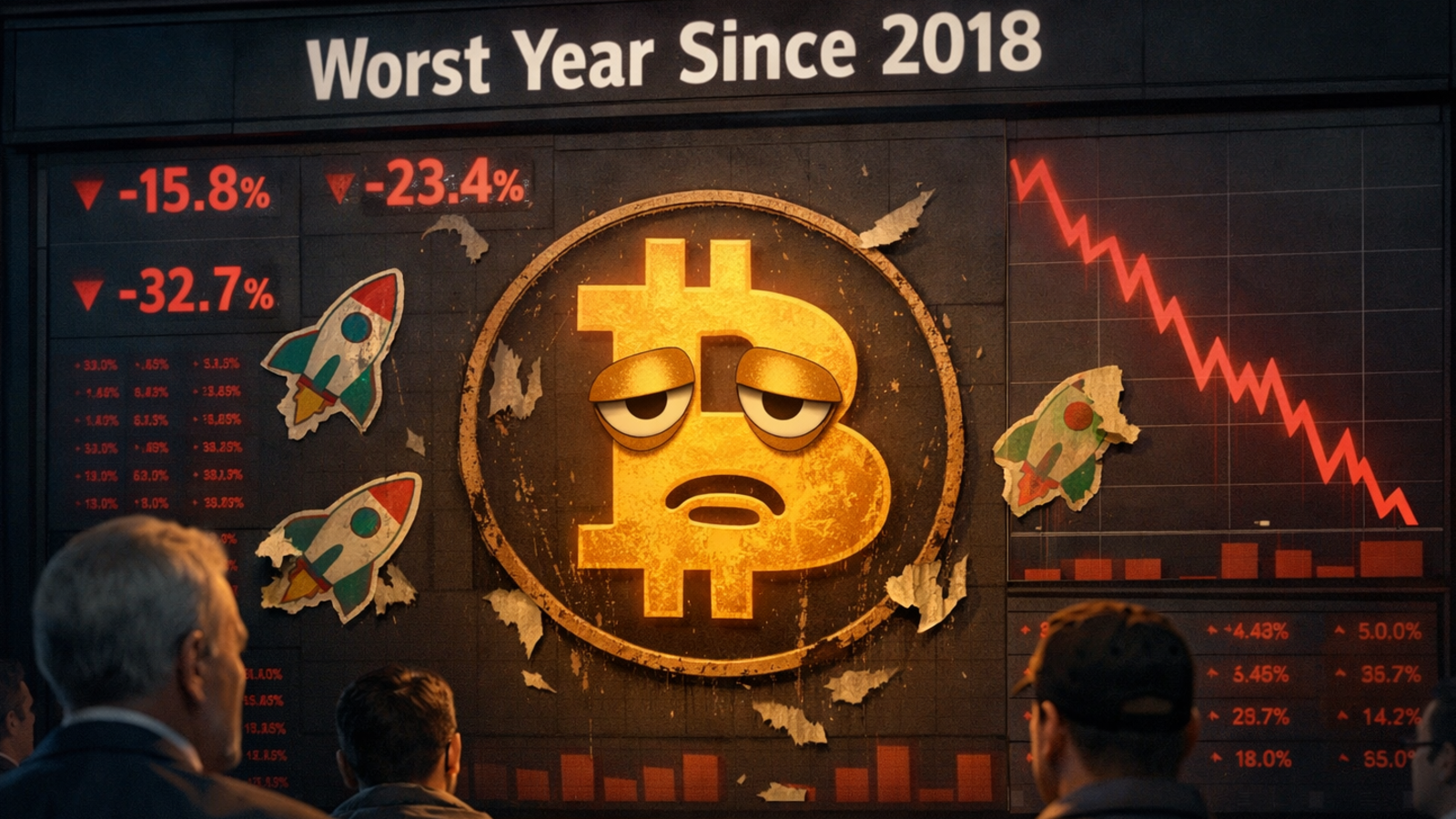
Bitcoin has clawed its way back toward 88,000 dollars after a bruising selloff, but analysts say the latest bounce looks more like tired shorts covering than the start of a new uptrend. Data from CoinGlass shows the coin is down more than 22% so far in the fourth quarter, putting 2025 among the weakest year end periods outside of clear bear market years. On a full year basis bitcoin is still trading below where it started January and sits roughly 30% under its 2025 peak above 125,000 dollars.
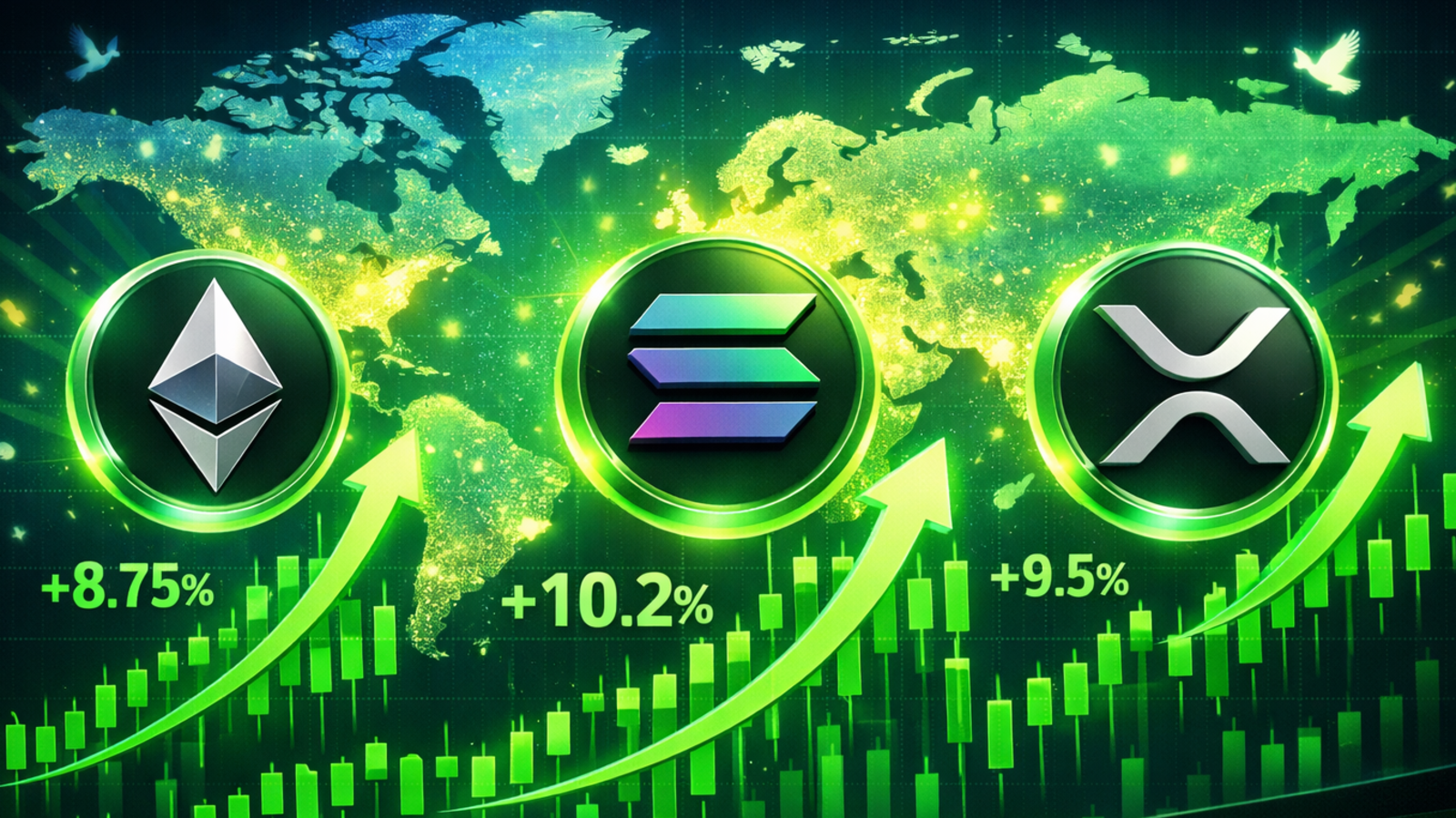
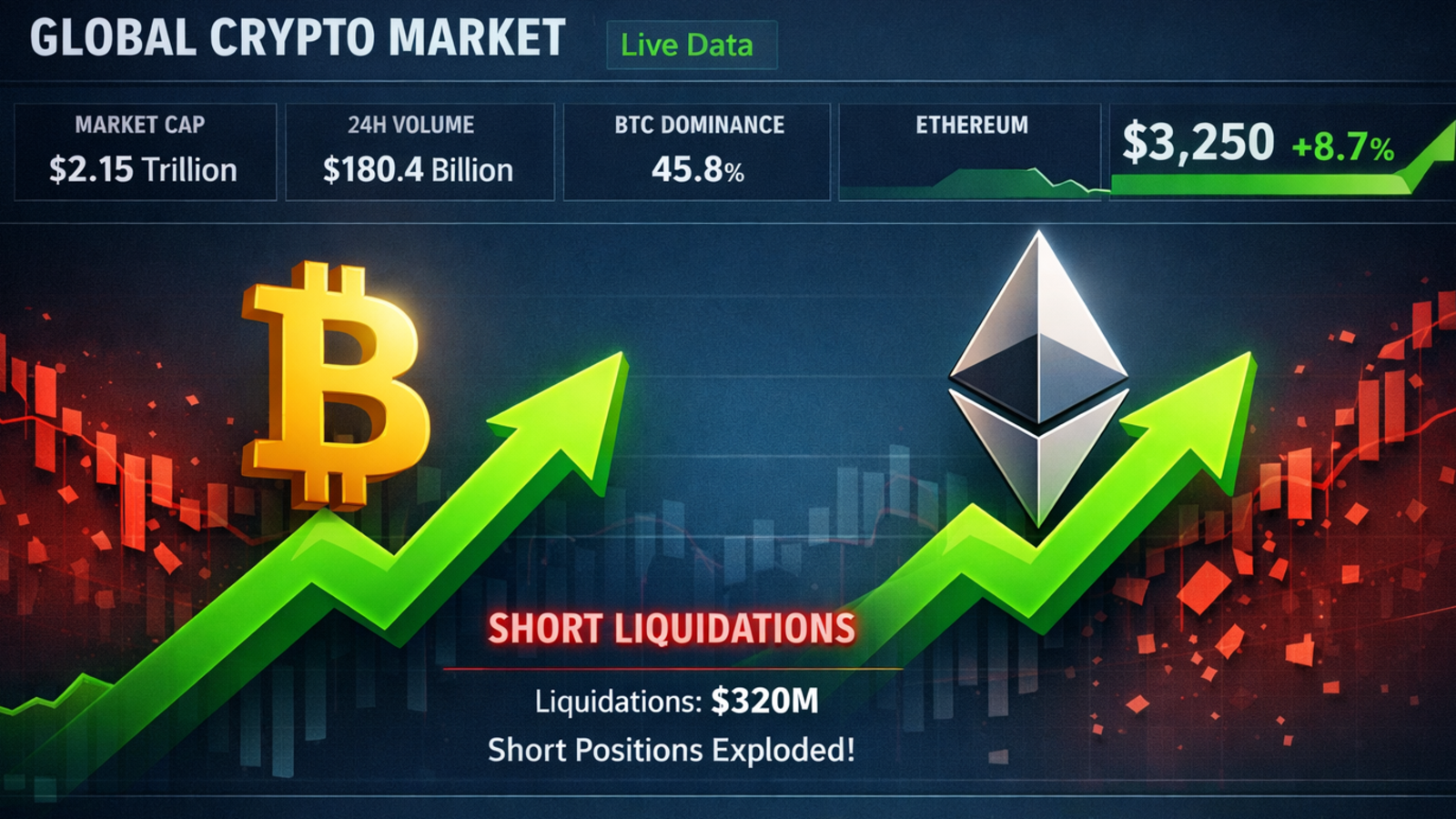
FxPro chief market analyst Alex Kuptsikevich describes the move as mostly technical, driven by a low base after weeks of selling rather than a renewed wave of conviction buying. The total crypto market value has climbed back above 3 trillion dollars, yet bitcoin has lagged the broader bounce. While large caps such as ether, XRP and solana have managed small gains in recent sessions, DeFi names like Aave’s AAVE token have slipped about 7% as selective risk taking replaces the broad enthusiasm seen earlier in the year.
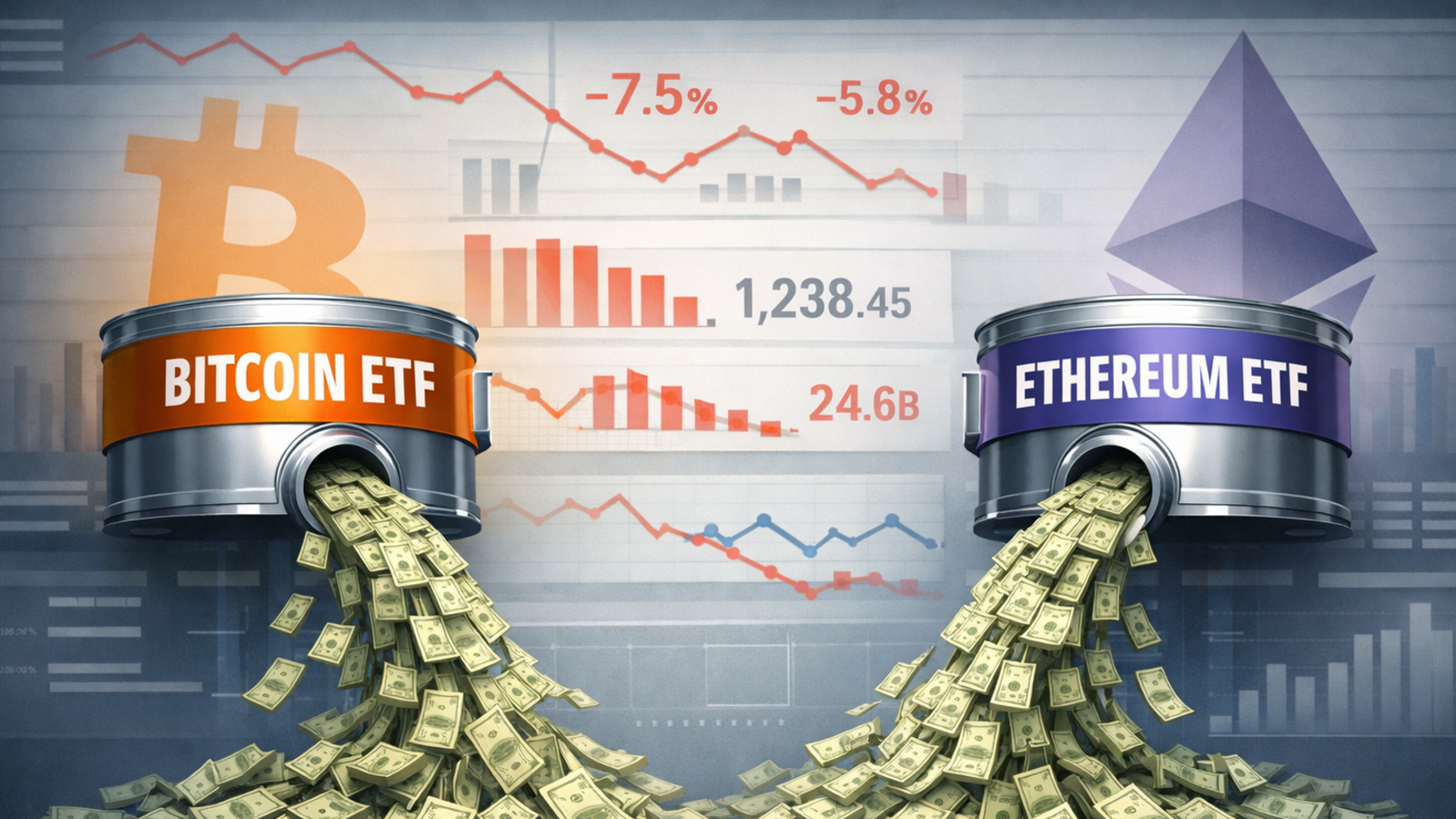
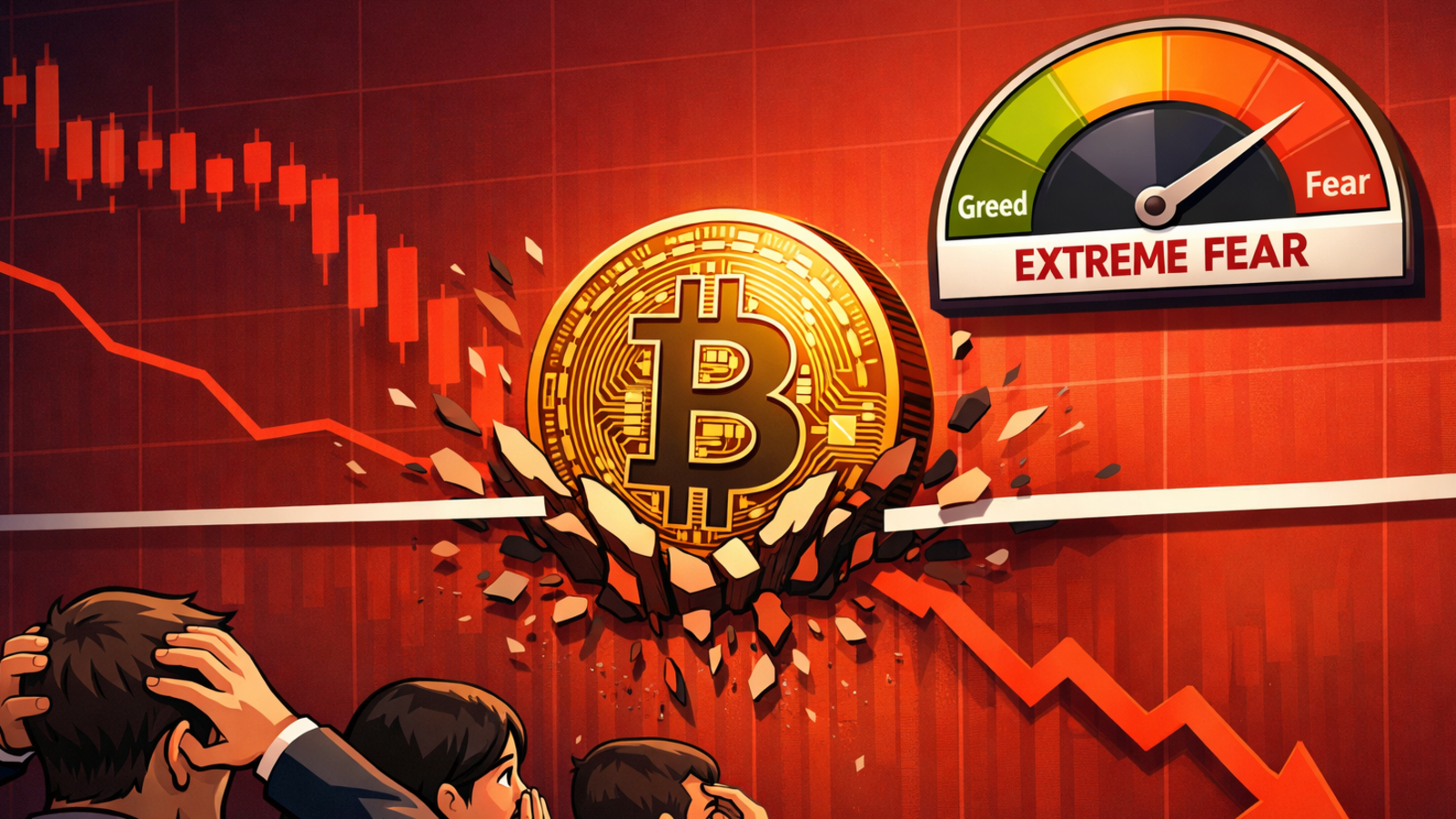
Sentiment gauges underline that cautious mood. The crypto fear and greed index has risen from extreme panic to around 24 out of 100, which signals that outright capitulation has faded but genuine risk appetite has not returned. Market structure adds to the fragility. Liquidity remains patchy and prices have been especially sensitive during United States trading hours, with fast swings in response to flows around derivatives and exchange traded fund activity rather than steady spot demand.
The contrast with traditional havens has sharpened the sense of disappointment. Gold is on track for a yearly gain of nearly 70%, its best performance since the late 1970s, while bitcoin is set to end the year down only a few percent but still facing its worst annual showing since 2018. That gap has encouraged some macro investors to question bitcoin’s role as a defensive asset at a time when geopolitical stress and debt worries should, in theory, have played to its strengths.
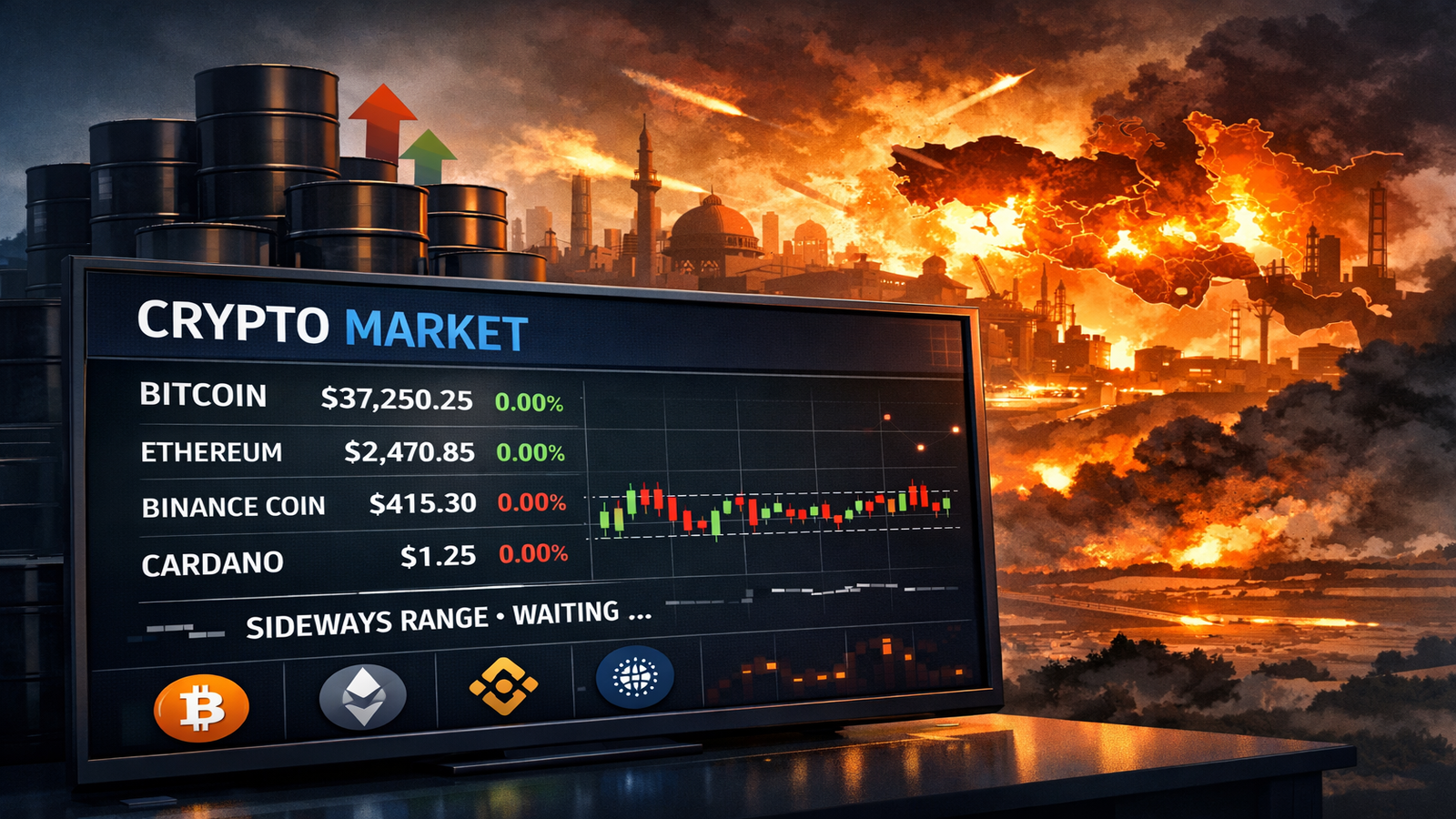
For now analysts say the base case is more sideways grind than sudden collapse. With bitcoin well off its highs, quarterly performance deep in the red and fatigue visible in positioning data, even optimistic traders are framing any late year strength as part of a long consolidation phase rather than the start of a fresh bull leg. Until macro conditions turn more supportive or new catalysts arrive, bitcoin looks likely to carry the label “worst year since 2018” into the history books while the market waits for its next clear narrative.

















































































.svg)
.svg)
.svg)
.svg)
.svg)
.svg)