
.svg)


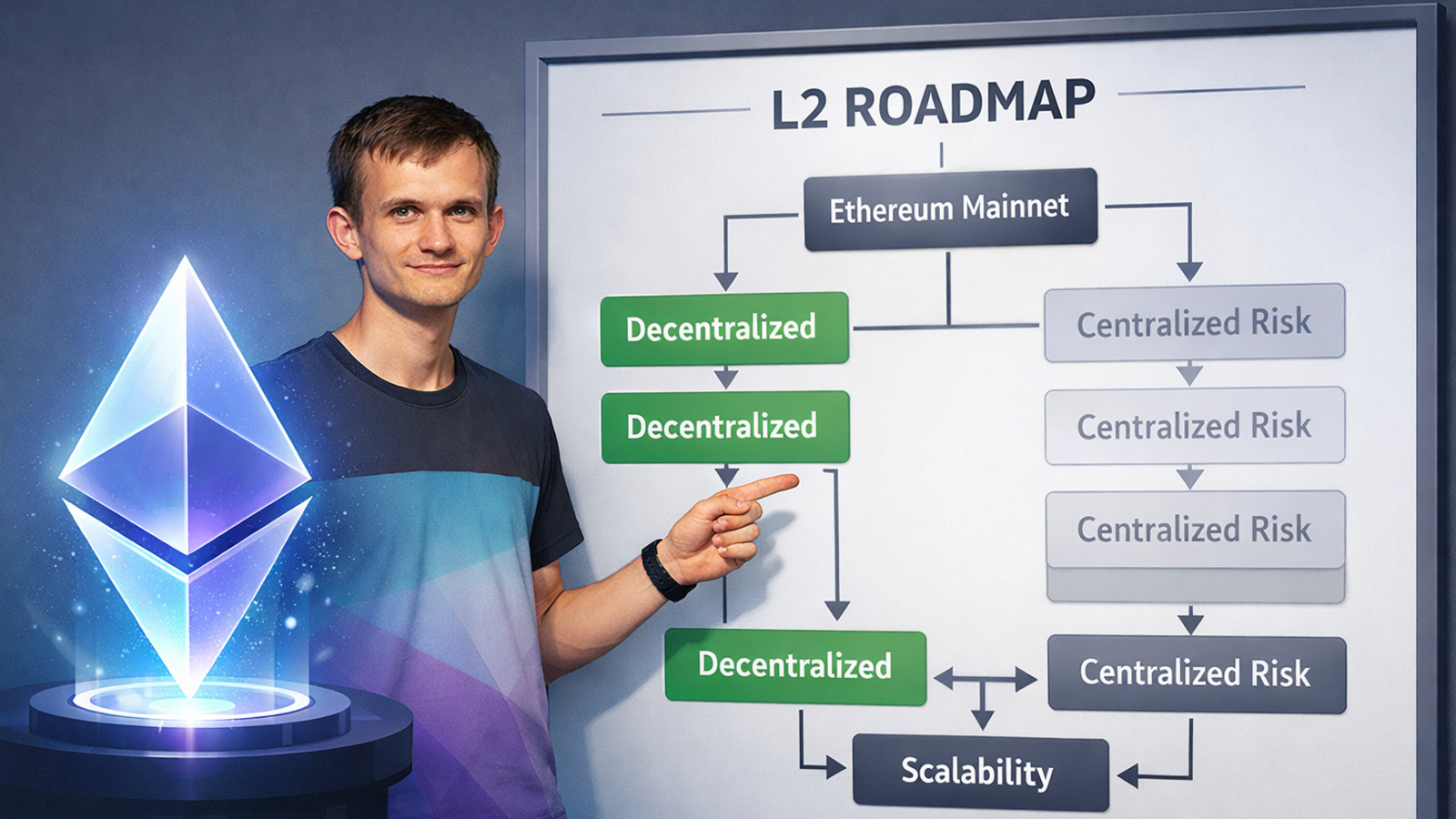
Ethereum co founder Vitalik Buterin is warning that the hardest problems in decentralized stablecoin design remain unsolved, even after years of experimentation. In a recent thread on X he argued that most so called decentralized stablecoins still rely on fragile assumptions around how they track prices, how they pull in off chain data and how they compete with staking yields on Ethereum. Those weaknesses, in his view, raise questions about whether the current generation of designs can stay robust over decades rather than just during short bull cycles.
His first concern is what these tokens actually peg to. Buterin questioned the long term wisdom of locking an entire system to the United States dollar, even if it works in the near term. He noted that over twenty years moderate inflation alone can erode the real value of dollar based pegs, which is a problem for protocols that advertise stability in purchasing power rather than just a static dollar number on screen. Future designs, he suggested, may need to anchor to broader baskets or inflation adjusted indices instead of a single national currency if they want to claim real resilience.
The second fault line is oracle risk. Blockchains cannot read real world prices directly, so they rely on oracle networks to feed data into smart contracts. Buterin highlighted that if an oracle can be captured with enough capital or governance influence, the entire stablecoin system becomes vulnerable. Projects then end up trying to defend themselves economically by making oracle attacks more expensive than the total value inside the protocol, which often means extracting high fees or control from users. He linked this to what he called “financialized governance,” where token voting has no natural defensive edge and must rely on making attacks prohibitively costly instead of structurally impossible.
The third issue sits at the intersection of stablecoins and Ethereum staking. Many decentralized designs today lean on staked ETH as collateral. That creates a tug of war between the yield that validators earn on staked ether and the returns that stablecoin users expect. If staking yields stay attractive, it can be hard to offer stablecoin holders enough incentive without building in extra risk. Buterin outlined a few paths to address this, such as cutting staking yields to minimal levels, creating special low risk staking categories or pushing more of the slashing and downtime risk directly onto stablecoin users. None of those options is clean, and slashing penalties make staked collateral a more complicated foundation than it appears at first glance.
Buterin’s broader message is not that decentralized stablecoins are doomed, but that designers should be more honest about the open problems. Fixed collateral ratios can fail in violent drawdowns, weak oracles can be gamed and yield competition can quietly undermine peg stability over time. Research on past episodes, from the Terra collapse to stress events in DAI and other systems, already shows how feedback loops and deleveraging spirals can hit “stable” assets during crises. He argues that if the industry wants truly durable, censorship resistant money, it needs stablecoins that can survive those stress tests without depending on a single currency, a single oracle or a single source of yield.































































































.svg)
.svg)
.svg)
.svg)
.svg)
.svg)