
.svg)

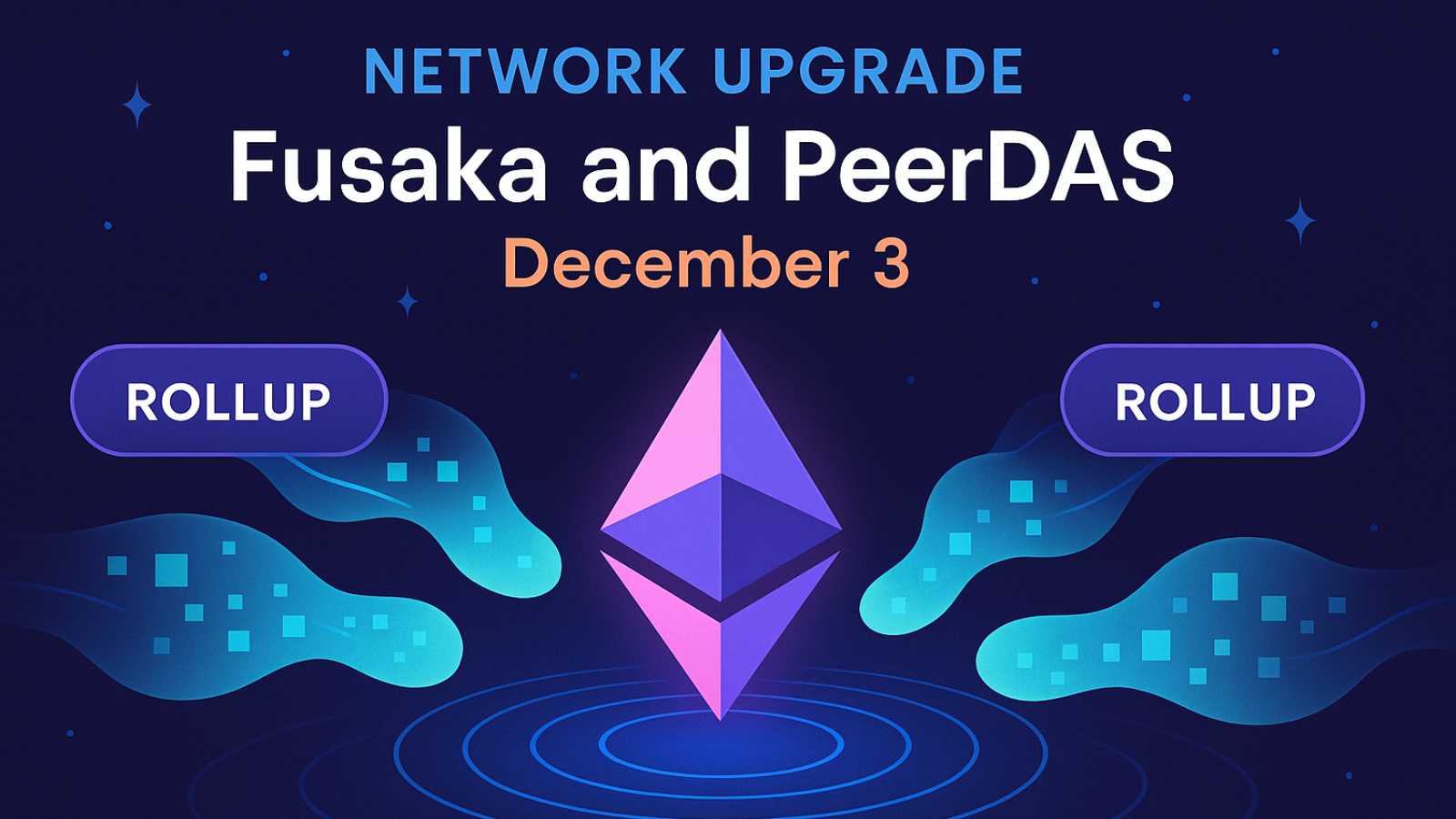
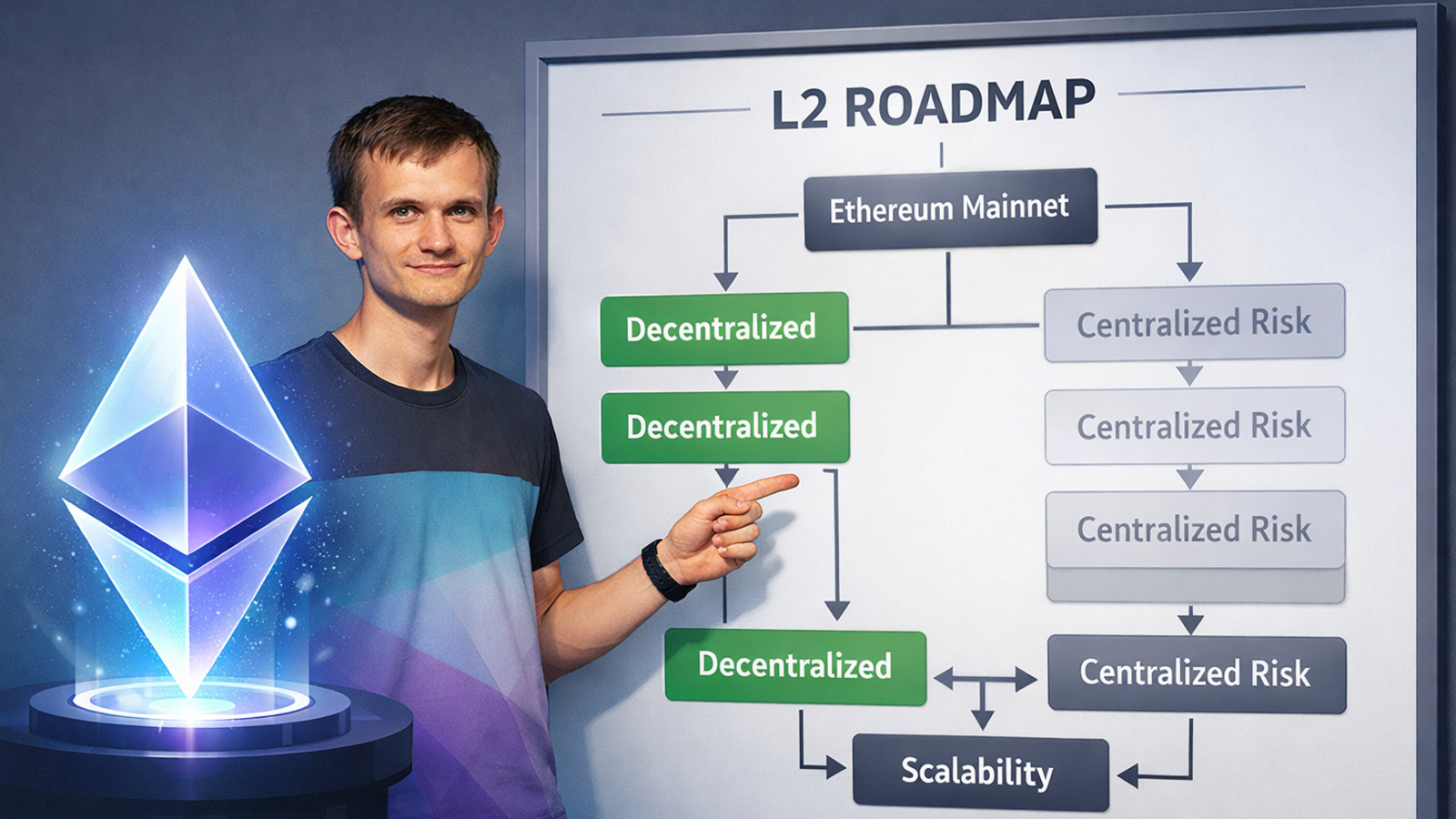
Ethereum core developers have officially scheduled the long-anticipated Fusaka upgrade for December 3, bringing key improvements to the network’s scalability and data handling capabilities. The update will also introduce PeerDAS, a new data availability solution aimed at enhancing the performance and reliability of rollups — the layer 2 protocols that process transactions off-chain while using Ethereum as a settlement layer.
Fusaka builds on previous upgrades like Dencun, continuing Ethereum’s transition toward a rollup-centric model. One of the main features of this upgrade is its focus on improving how data “blobs” are managed. These blobs carry transaction data from rollups and are crucial for reducing costs and congestion. With PeerDAS now included, the network will rely on a peer-to-peer data availability sampling system, making it easier for rollups to access the data they need without compromising decentralization or efficiency.
Developers reached consensus on the launch date following successful testing on devnets and positive feedback from the Ethereum research community. The Fusaka and PeerDAS upgrades are expected to make it more cost-effective for developers to build on Ethereum and offer a smoother experience for users interacting with layer 2 solutions. Public testnets are already live, giving the community a chance to prepare for the mainnet changes ahead.
This next step in Ethereum’s evolution reflects the network’s continued focus on scalability and long-term sustainability. As rollups grow in adoption, the need for fast, reliable, and decentralized data access becomes critical. With Fusaka and PeerDAS scheduled for rollout in early December, Ethereum is laying the groundwork for broader adoption and improved performance across its entire ecosystem.























































































.svg)
.svg)
.svg)
.svg)
.svg)
.svg)