
.svg)

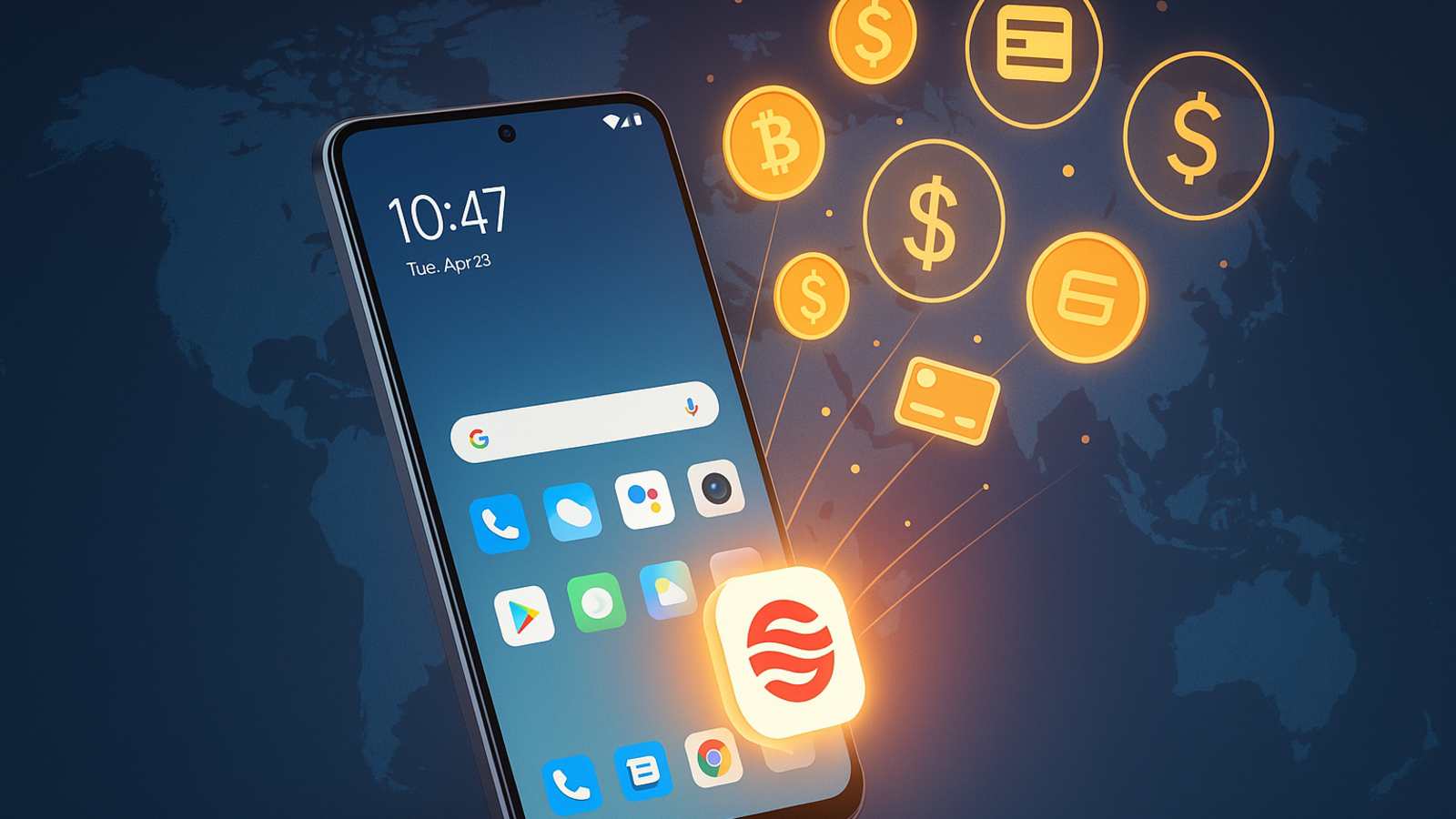
Starting in 2026, Xiaomi will begin shipping new smartphones with a Sei powered crypto wallet and discovery app already on the device for users outside mainland China and the United States. The deal, announced by the Sei Development Foundation, plugs the layer 1 network straight into one of the world’s largest phone makers, which shipped about 168 million devices in 2024 and holds roughly 13% of the global smartphone market.
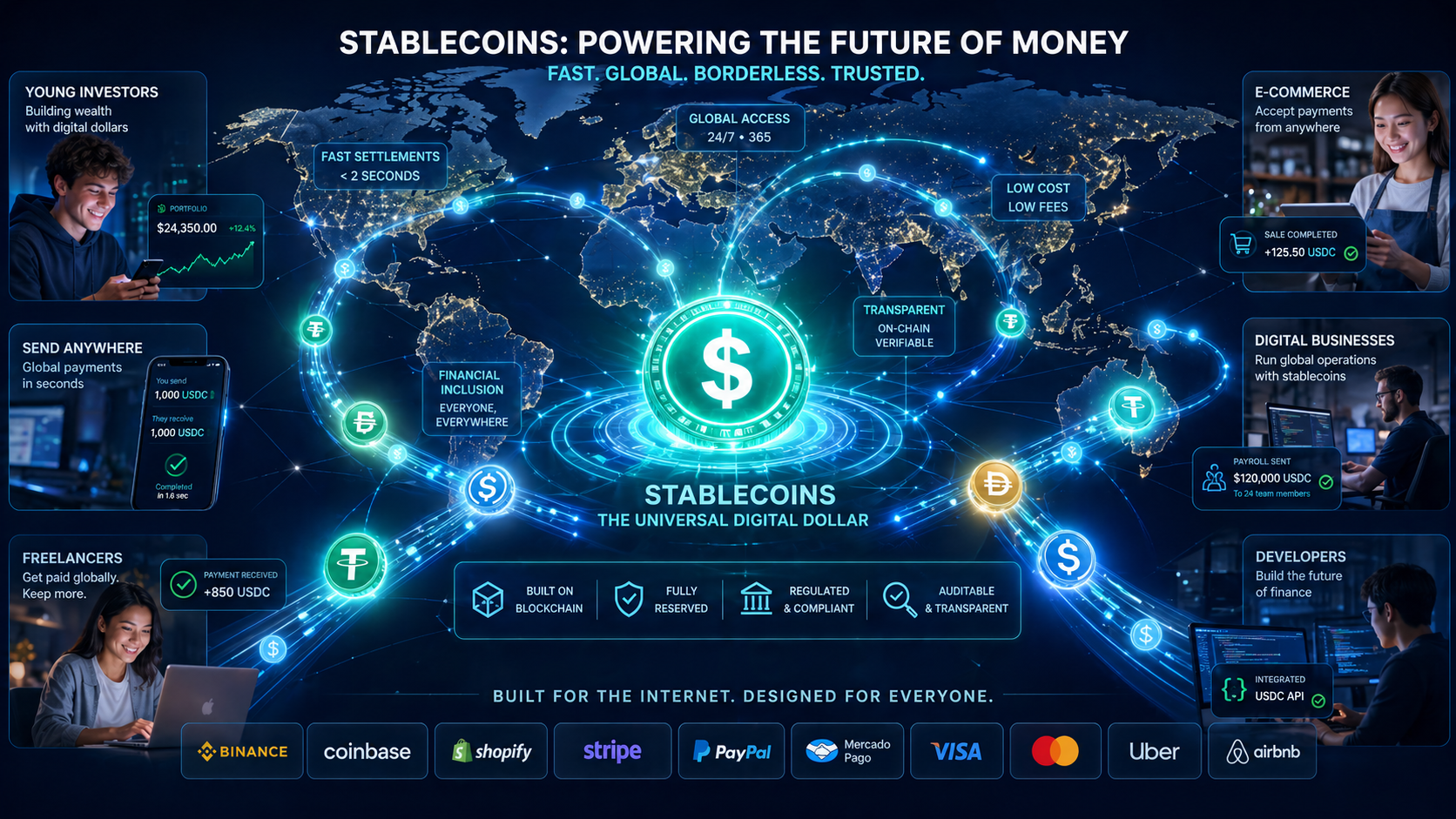
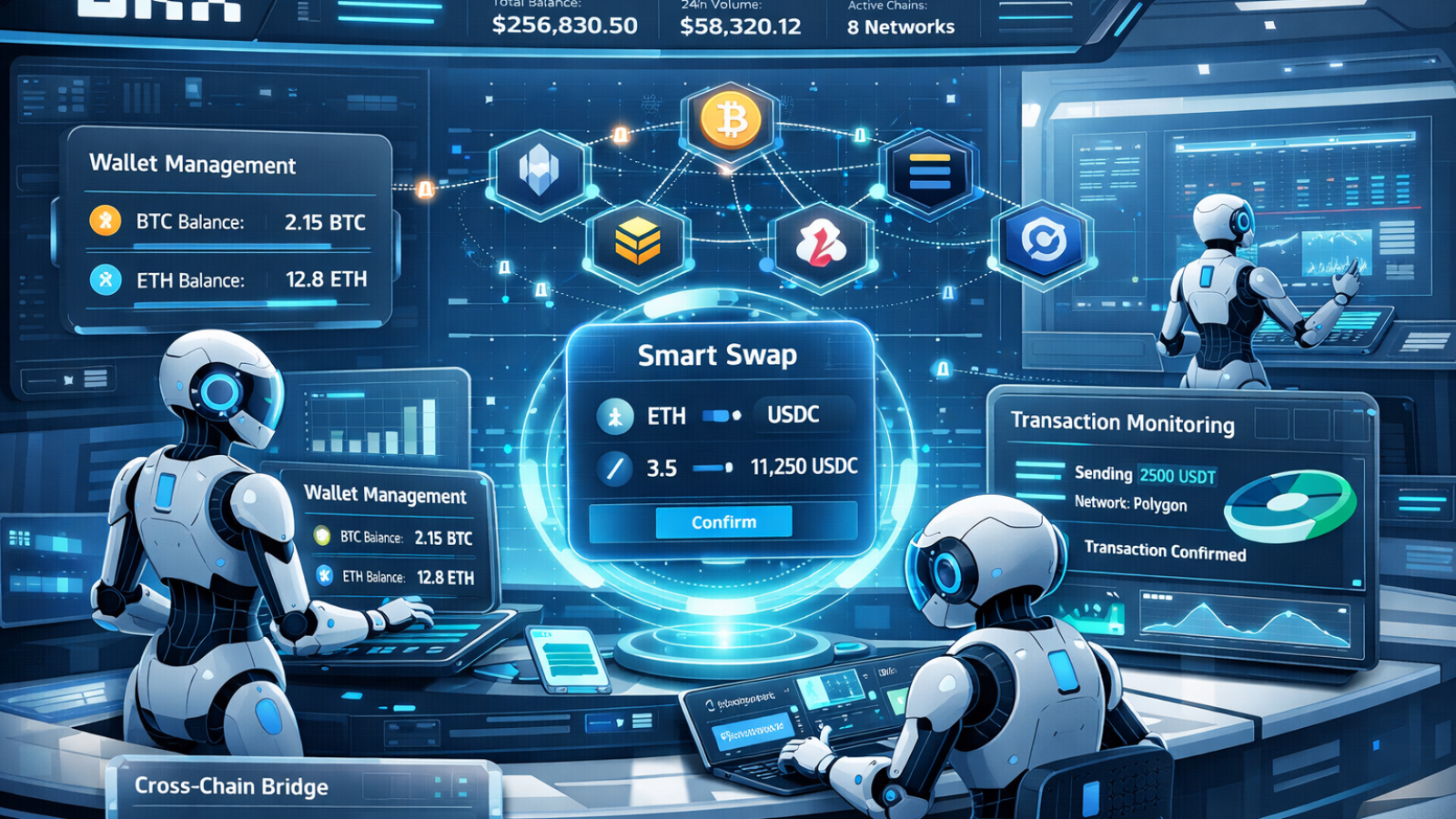
The pre-installed app is designed as a next generation finance hub. It supports stablecoin payments, peer to peer transfers and direct access to decentralized applications built on Sei, all from a single interface. Users will be able to sign in with existing Google or Xiaomi IDs instead of managing seed phrases, while security is handled with multiparty computation techniques that split keys across multiple parties. The goal is to make onchain activity feel like using a normal mobile banking app for people who have never installed a crypto wallet before.
The rollout will first target regions where both Xiaomi and crypto adoption are already strong, including the European Union, Latin America, Southeast Asia and parts of Africa. In countries such as Greece and India, where Xiaomi’s market share sits around 36.9% and 24.2% respectively, the company could become the default crypto gateway for large chunks of the population. On top of the wallet integration, Sei and Xiaomi plan to enable stablecoin payments across more than 20,000 Xiaomi retail outlets, allowing customers to buy phones and other devices with assets like USDC over the Sei network starting with Hong Kong and the EU in mid 2026.
Sei Labs co founders Jeff Feng and Jay Jog describe the partnership as a shift from users looking for crypto apps to crypto arriving pre packaged on the hardware they already use. They argue that blockchains have underinvested in performance and say Sei’s focus on fast finality and high throughput is meant to handle payments, trading and real world financial flows at scale. To push that vision further, Sei is launching a 5 million dollar Global Mobile Innovation Program to fund developers building mobile first applications on its stack. If the Xiaomi deal works as planned, it could become one of the largest mobile distribution channels for any blockchain project to date and a major test of whether pre-installed wallets can bring Web3 to the mainstream.









































.svg)
.svg)
.svg)
.svg)
.svg)
.svg)