
.svg)

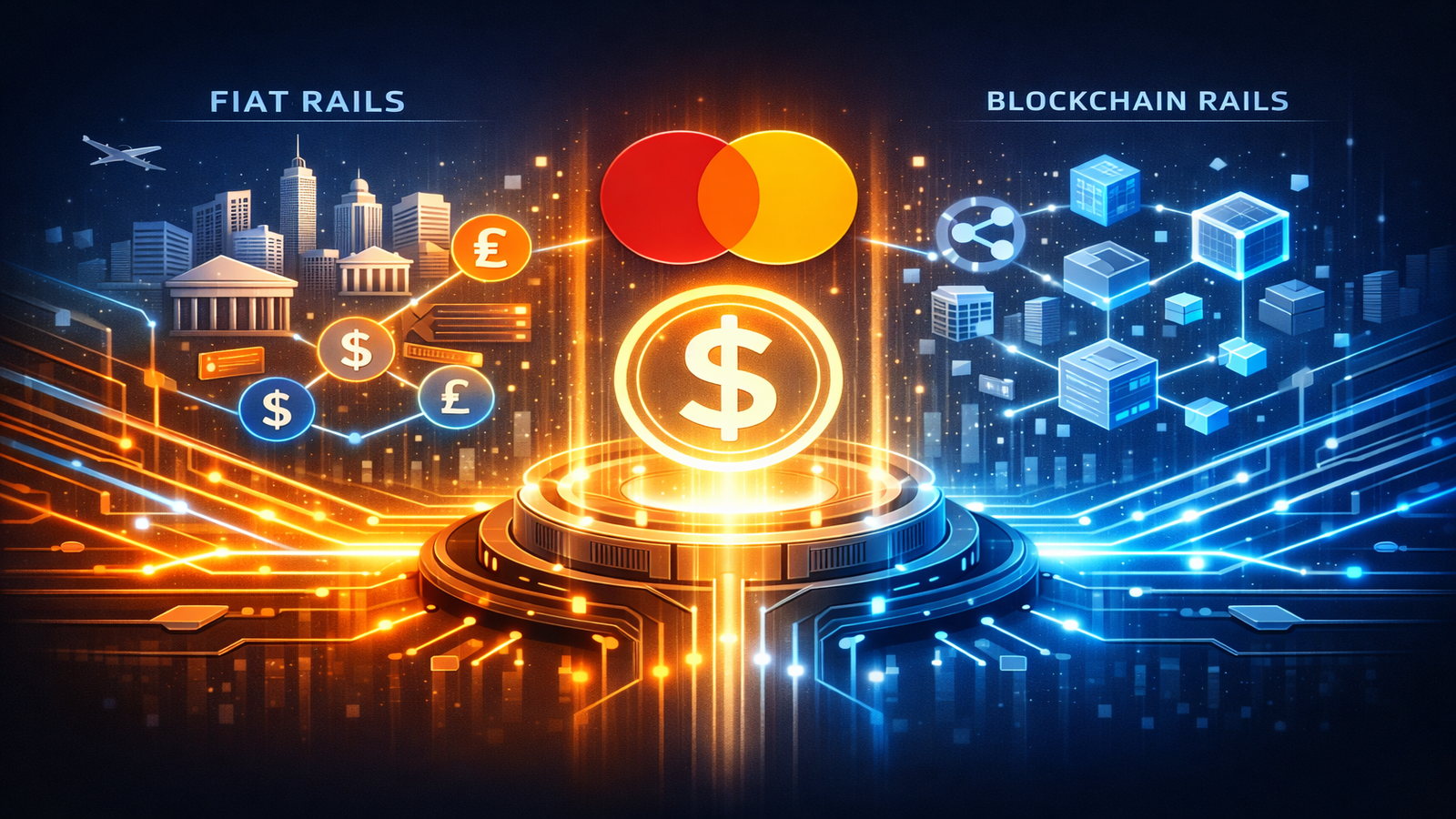
Mastercard’s BVNK deal shows that in stablecoins, speed and regulatory positioning matter more than proving you can write the software yourself. The payments giant agreed in March to acquire BVNK for up to $1.8 billion, including $300 million in contingent payments. That price was well above BVNK’s last private valuation, which is why the deal was widely read as a premium paid for immediate access rather than for code alone.
The logic becomes clearer once you look at what BVNK actually brings. Mastercard said the acquisition is meant to connect onchain payments with traditional fiat rails, and reporting around the deal noted that BVNK already operates across more than 130 countries and major blockchain networks. More important than the tech itself, it has licensing, compliance workflows and operating infrastructure that would likely have taken years for Mastercard to assemble internally. In stablecoin payments, that regulatory and geographic footprint is often the real moat.
That is why the premium can be read less as an overpayment and more as a shortcut into a market that is maturing quickly. Mastercard is not entering this space from zero, but the acquisition gives it a ready-made bridge for cross-border payments, payouts and business settlement at a time when stablecoins are starting to compete more directly with legacy payment rails. Analysts quoted after the announcement said the deal complements Mastercard’s existing card network and gives it faster access to blockchain-based value transfer without waiting for a slower internal buildout.
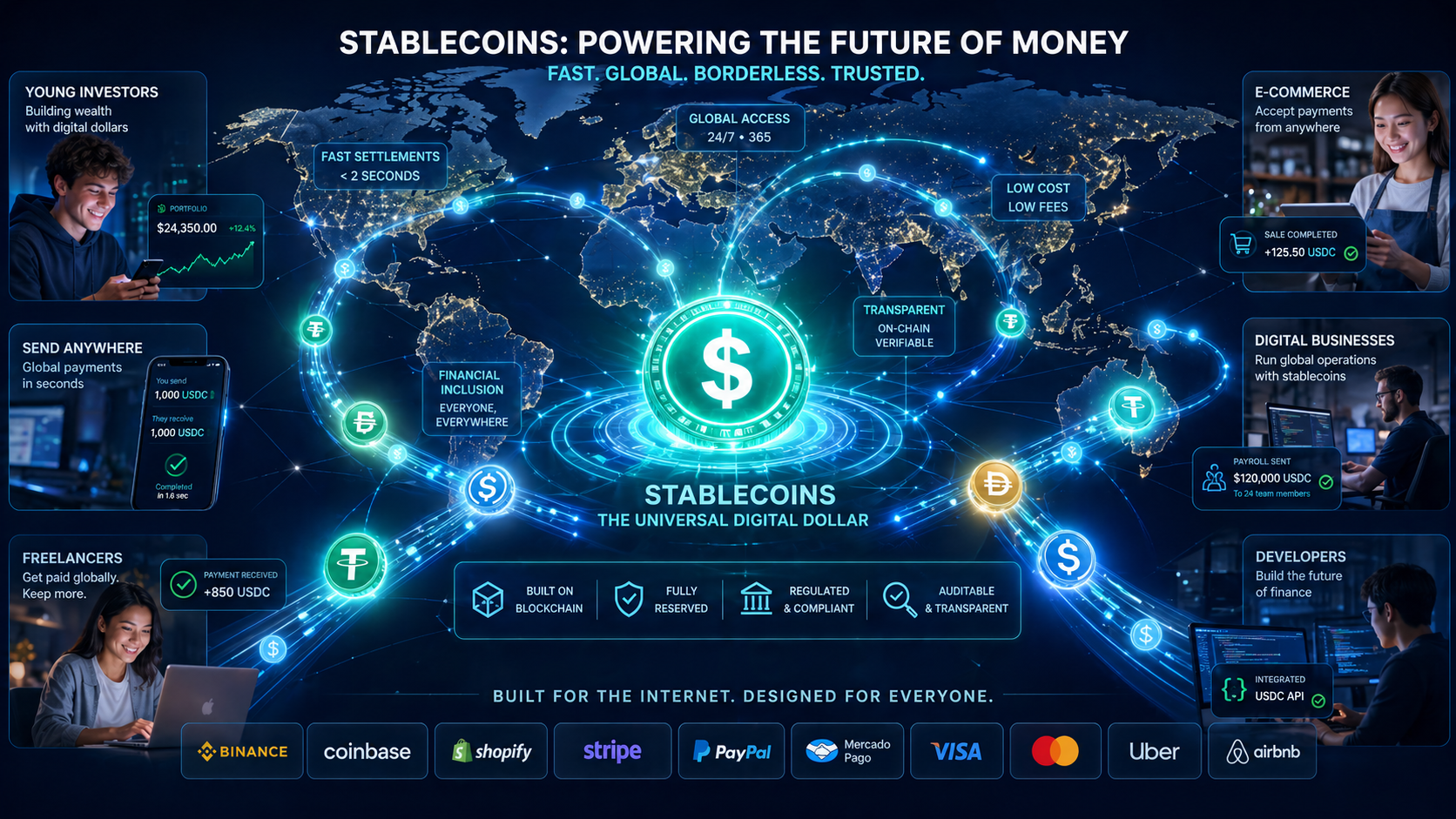
The deeper point is strategic. Stablecoins are becoming infrastructure, not just crypto products, and incumbents like Mastercard appear to be deciding that owning a strong position early is worth paying up for. Buying BVNK lets Mastercard shape how compliant stablecoin rails plug into mainstream finance instead of risking a slower response while fintechs and crypto-native firms define the standard first. Seen that way, the company did not just buy software. It bought time, licenses, market access and a stronger seat in the next phase of global payments.































.svg)
.svg)
.svg)
.svg)
.svg)
.svg)