
.svg)

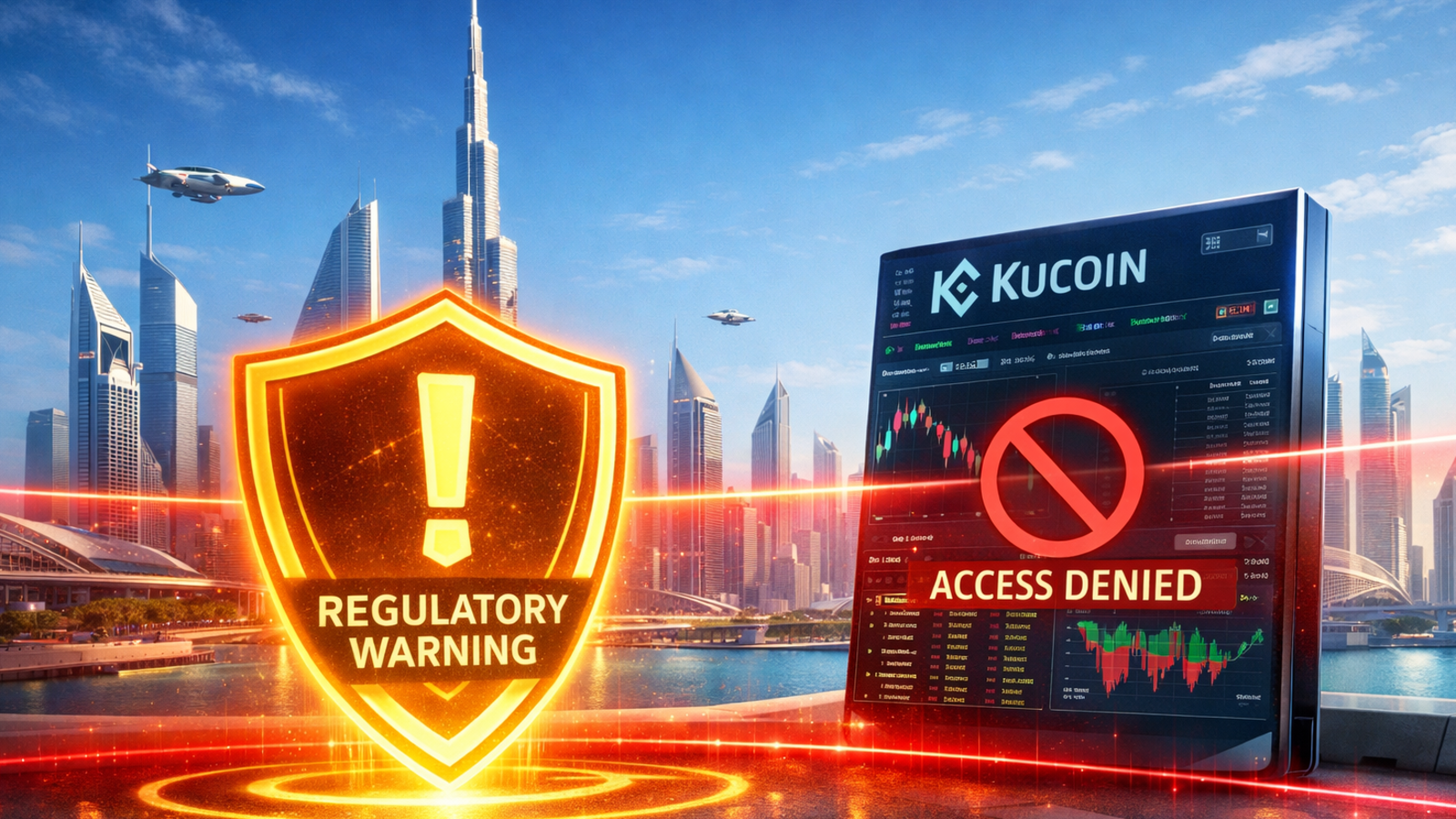
Dubai’s crypto regulator has ordered KuCoin to halt its activity in the emirate, saying the exchange has been operating without the approvals required under local law. The Virtual Assets Regulatory Authority, or VARA, said KuCoin does not hold a license to provide virtual asset services in or from Dubai, and warned that any related promotion, advertising or client solicitation has not been authorized. As a result, the regulator told the exchange to cease and desist from serving customers tied to the Dubai market.
The warning is significant because Dubai has spent the past few years trying to position itself as a tightly regulated global hub for digital assets rather than a permissive offshore center. VARA has built a licensing regime that requires exchanges and other crypto firms to secure approval before they market or provide services locally, and it has repeatedly signaled that unauthorized operations will face enforcement. Recent reporting notes that the authority had already taken action against multiple firms in earlier cases, including fines and cease and desist orders for operating outside the emirate’s framework.
The KuCoin action also lands at an awkward moment for the exchange internationally. CoinDesk noted that the Dubai alert came only weeks after Austria’s financial regulator blocked KuCoin’s European arm from taking on new business, adding to a broader pattern of compliance pressure around the platform. That does not mean Dubai’s decision was caused by the Austrian case, but the timing strengthens the impression that regulators in several jurisdictions are taking a harder look at how KuCoin is structured and where it is allowed to operate.
For users in Dubai, the message from VARA is direct: avoid dealing with KuCoin for virtual asset services unless and until the platform obtains proper authorization. The regulator said unlicensed activity can expose consumers to financial and legal risks, which is one reason it publicly flagged the exchange instead of handling the matter quietly behind the scenes. In practice, the episode shows that Dubai is willing to enforce its rulebook even against a large global brand, reinforcing the idea that the emirate wants crypto businesses to treat licensing as a hard requirement rather than a box to check later.


























































































.svg)
.svg)
.svg)
.svg)
.svg)
.svg)