
.svg)


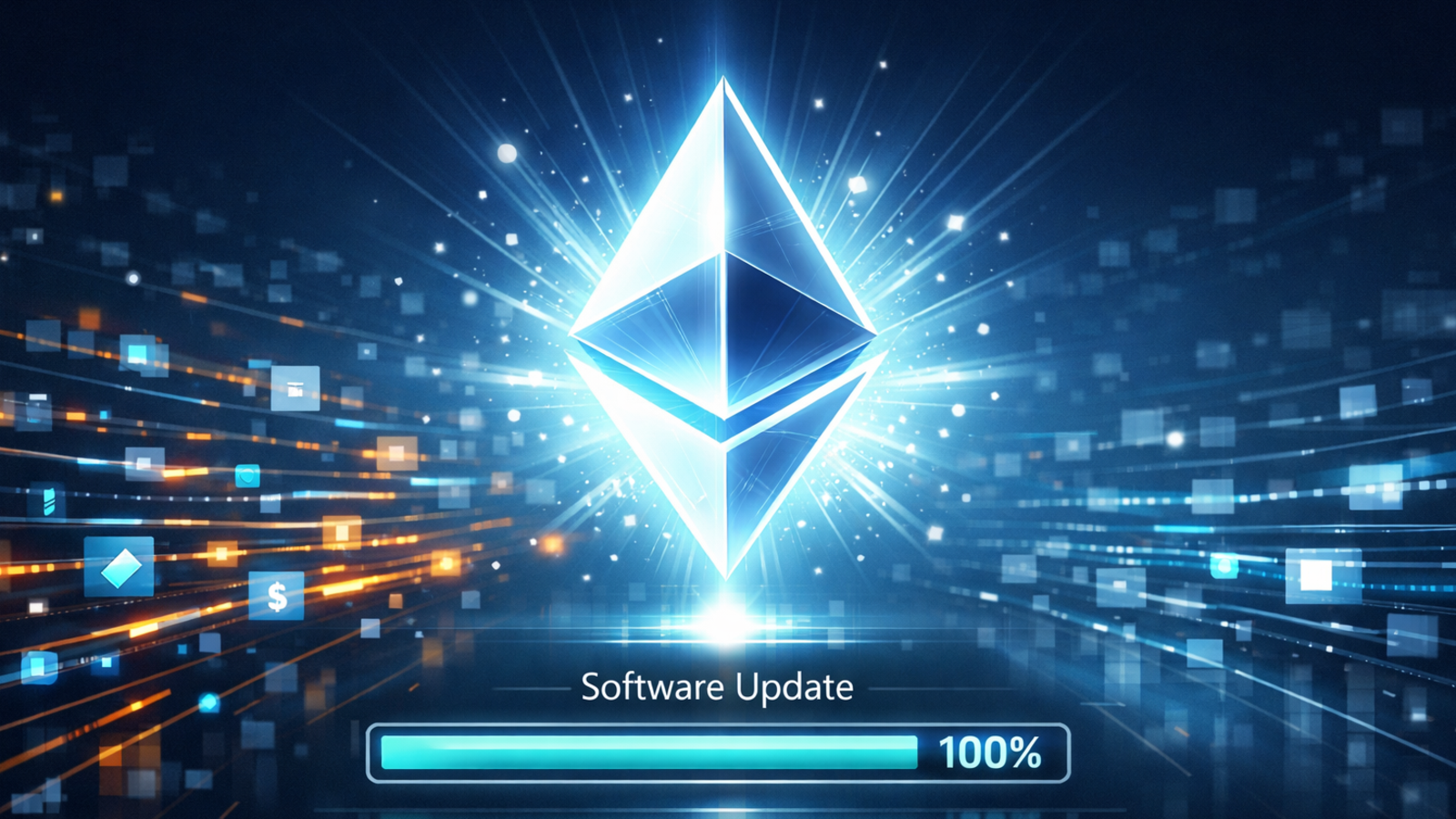
The Ethereum Foundation has laid out its boldest long range development plan in years, publishing a draft “strawmap” that stretches through 2029 and sketches out roughly seven hard forks along the way. The headline goal is dramatic: cut transaction finality from today’s much slower process down to seconds by the end of the decade. The roadmap is being framed as a full scale redesign of Ethereum’s performance profile, not a small tuning exercise, with researchers openly targeting a chain that feels fast enough for mainstream financial and consumer applications.
At the core of the plan are two major speed ambitions. First, Ethereum wants much faster layer 1 finality, with the draft aiming to reduce settlement time to around eight seconds by 2029. Second, the Foundation is targeting a major jump in throughput, with layer 1 capacity discussed in the 10,000 transactions per second range and rollup capacity reaching far beyond that. The roadmap also keeps Ethereum on a roughly six month upgrade rhythm, suggesting a more continuous sequence of protocol improvements instead of isolated marquee upgrades every few years.
The scope goes well beyond speed. The strawmap also highlights privacy and long term security as central priorities, including shielded transfers and post quantum cryptography. In other words, Ethereum’s researchers are not only trying to make the network faster, but also trying to future proof it against threats that may emerge years from now. That combination makes the roadmap feel more comprehensive than many previous Ethereum planning documents, because it tries to address scalability, user experience, privacy, and cryptographic resilience in the same arc.
Two named upgrades are already expected to sit early in that sequence: Glamsterdam and Hegota, both part of the broader multi year path now being discussed. Researchers describe the document as a “strawmap,” which is important because it means this is still a draft framework rather than a locked schedule. The vision is ambitious, but execution risk remains high. Ethereum has a long history of eventually shipping major technical changes, though often more slowly than early timelines suggest.
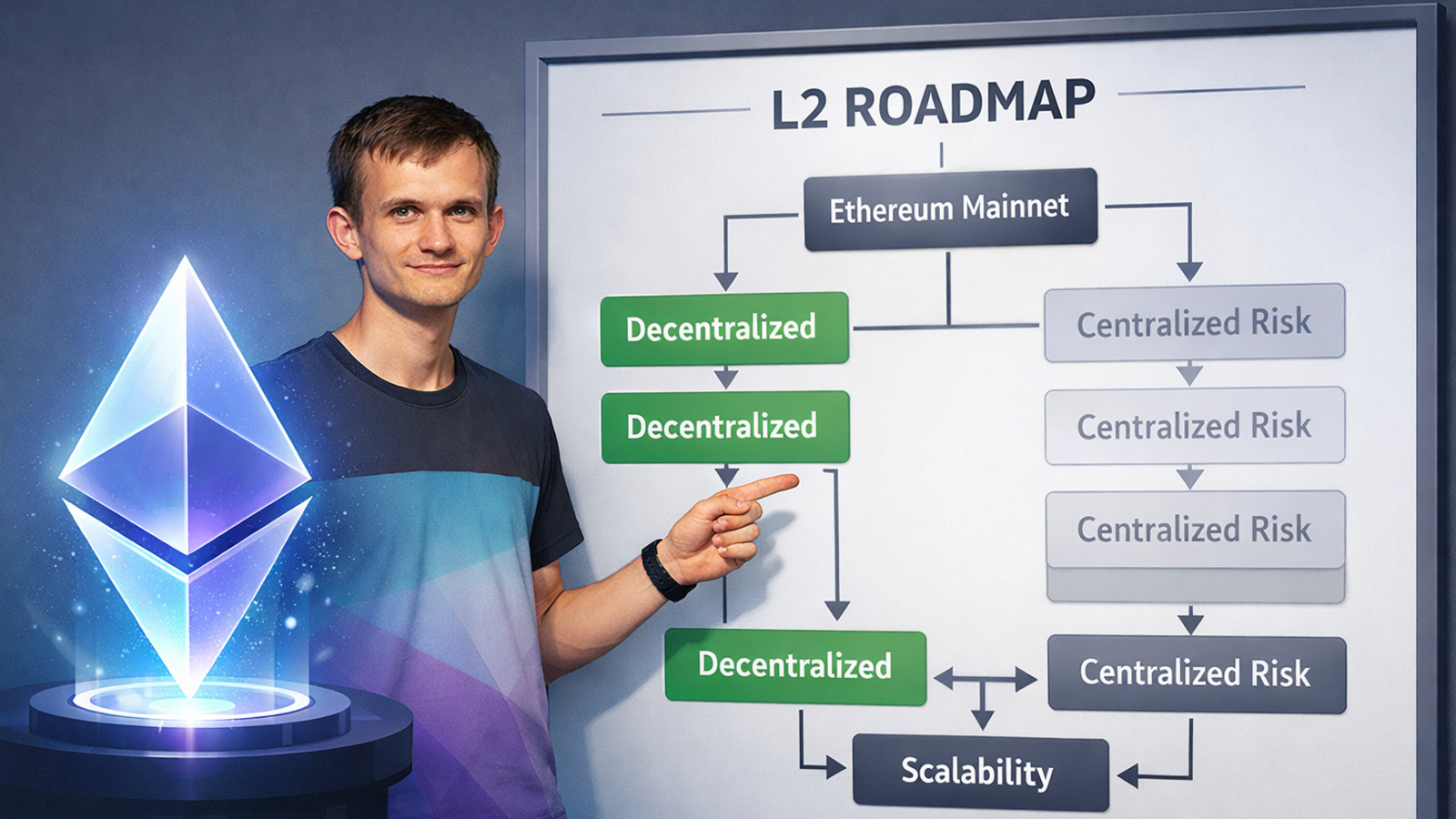
The bigger takeaway is strategic. Ethereum is signaling that it does not want to remain merely a slow, expensive settlement layer surrounded by auxiliary scaling systems. Instead, it wants to evolve into something closer to a high speed base for global value transfer while still preserving decentralization and security. If even part of this roadmap lands on time, Ethereum’s competitive position against faster layer 1 rivals could strengthen materially. If it slips, the announcement will still matter as a marker of where the protocol’s research leadership believes the chain has to go next.

















































































.svg)
.svg)
.svg)
.svg)
.svg)
.svg)