
.svg)

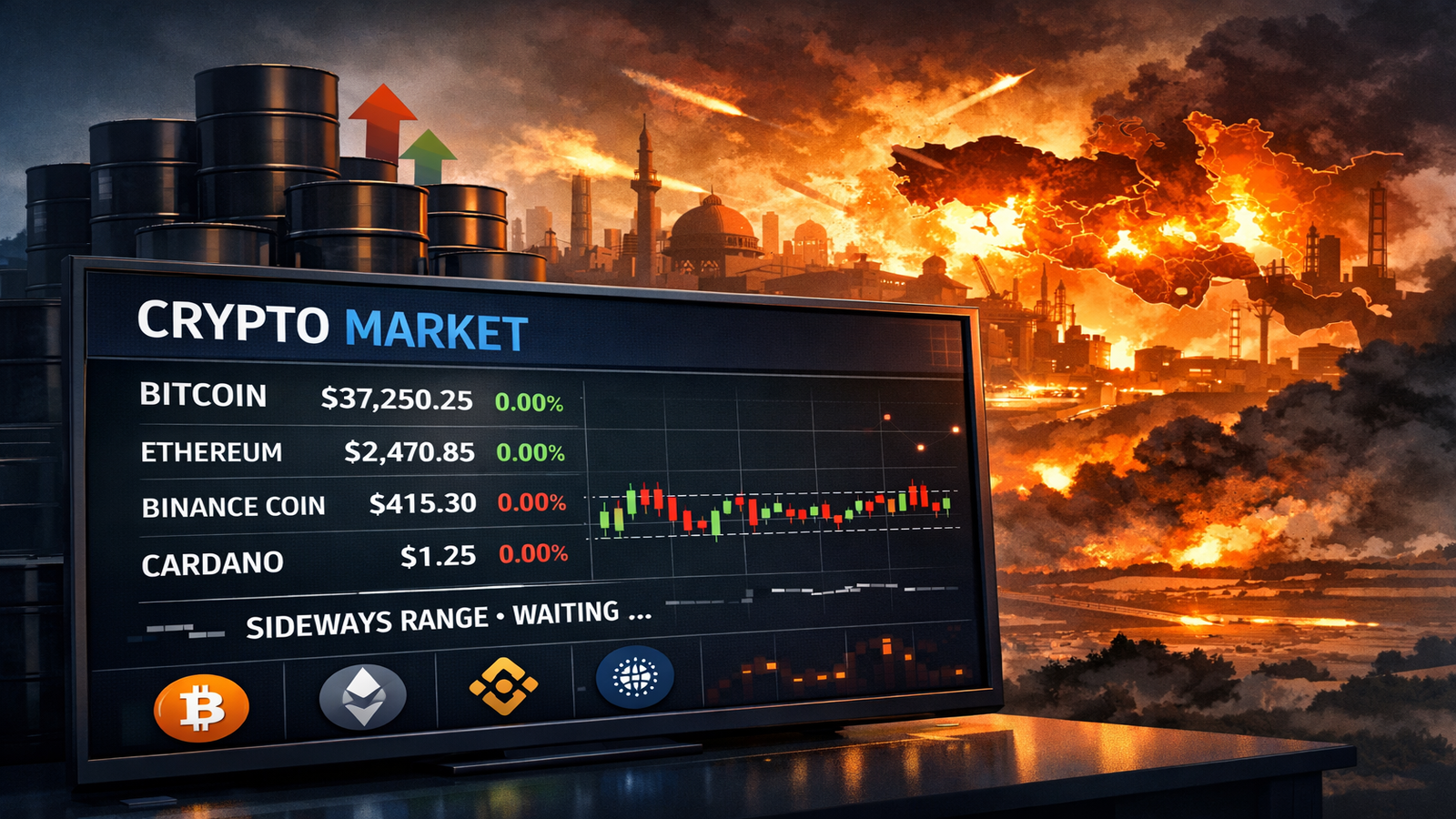
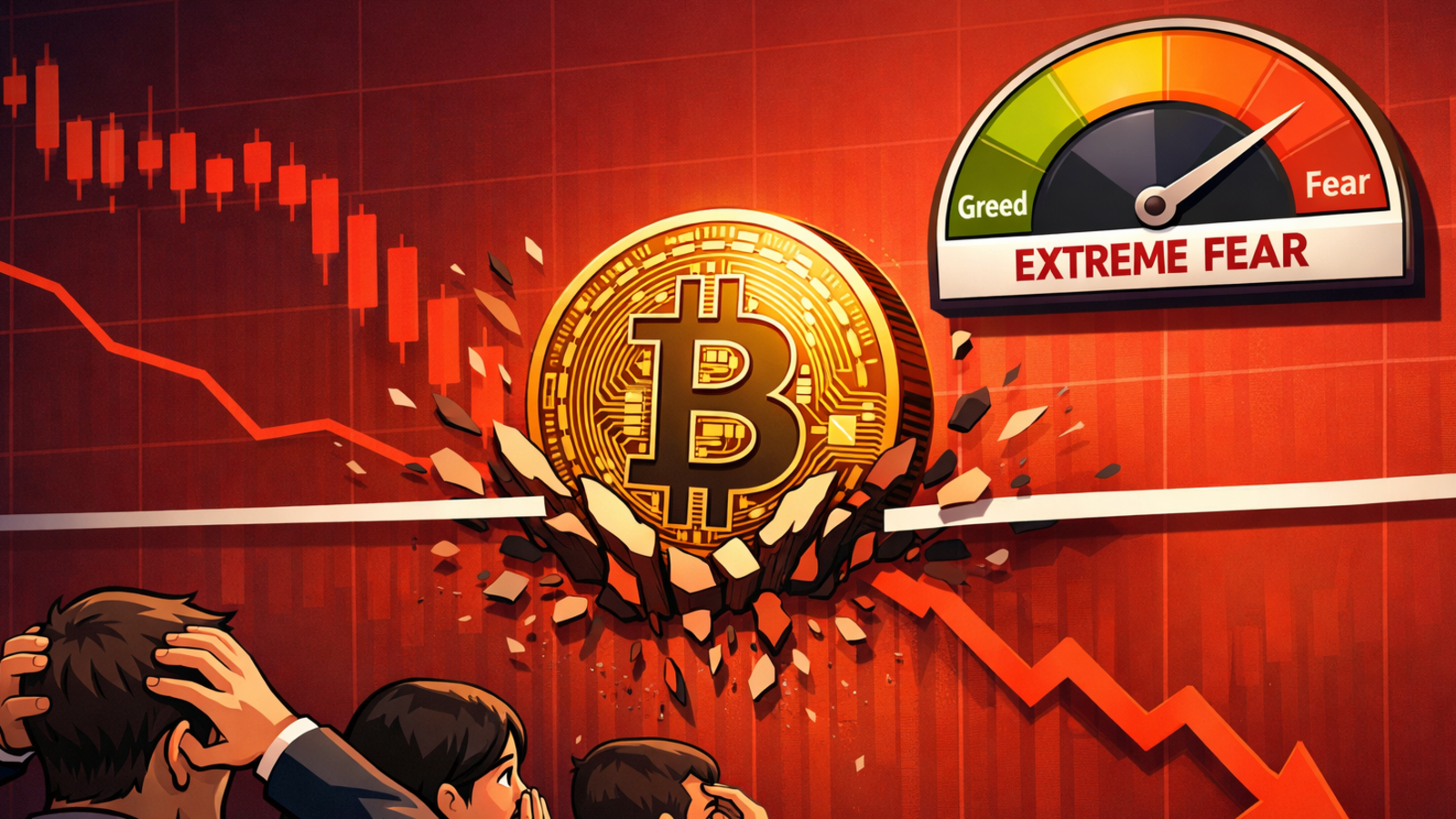
Crypto markets have slipped into a waiting pattern as the war in Iran and the resulting oil shock muddy what had started to look like a more supportive macro backdrop. Grayscale said the conflict overshadowed nearly every other market development in March, pushing many investors to the sidelines even though growth and rate-cut expectations had looked more constructive before the escalation.
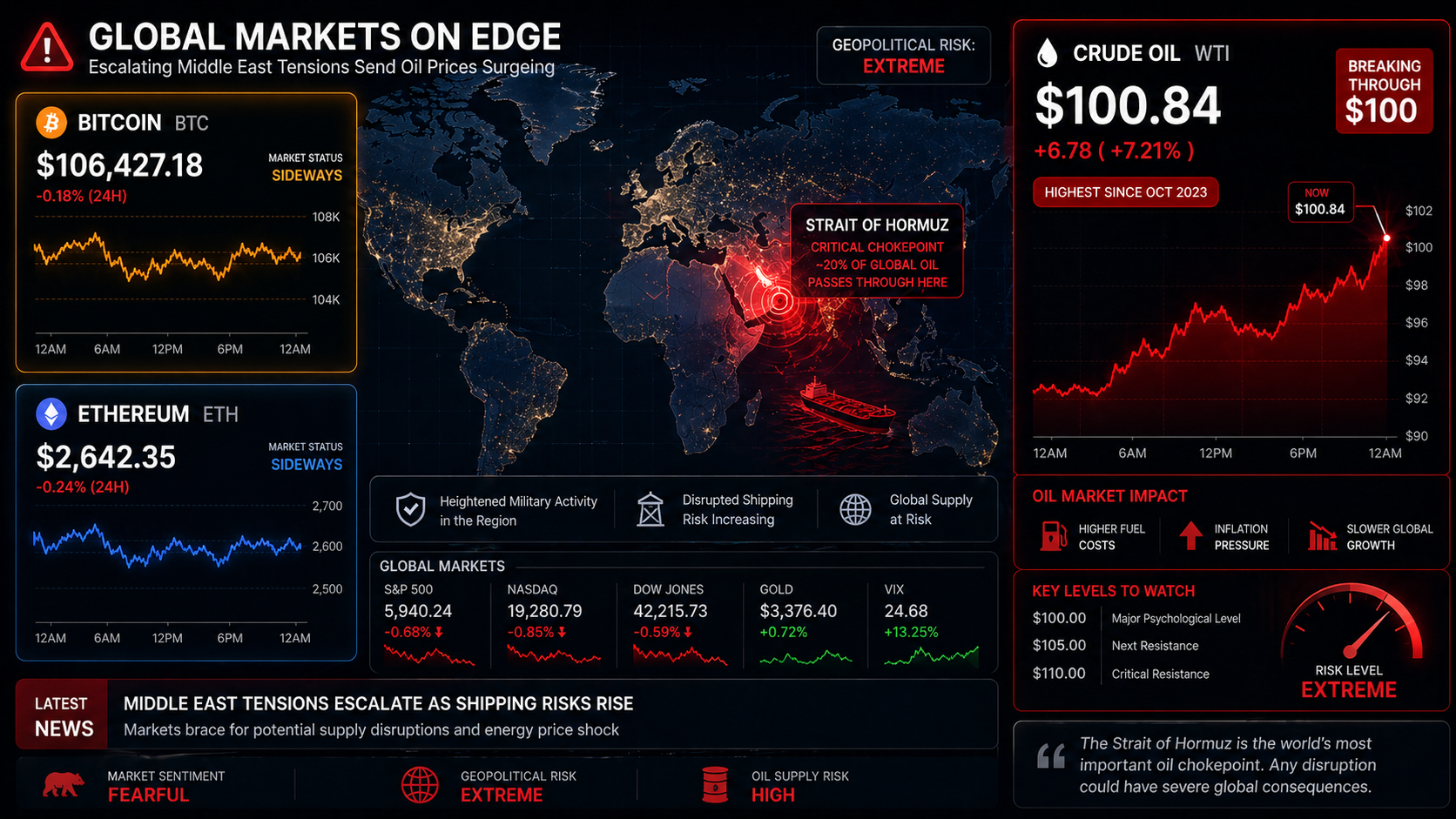
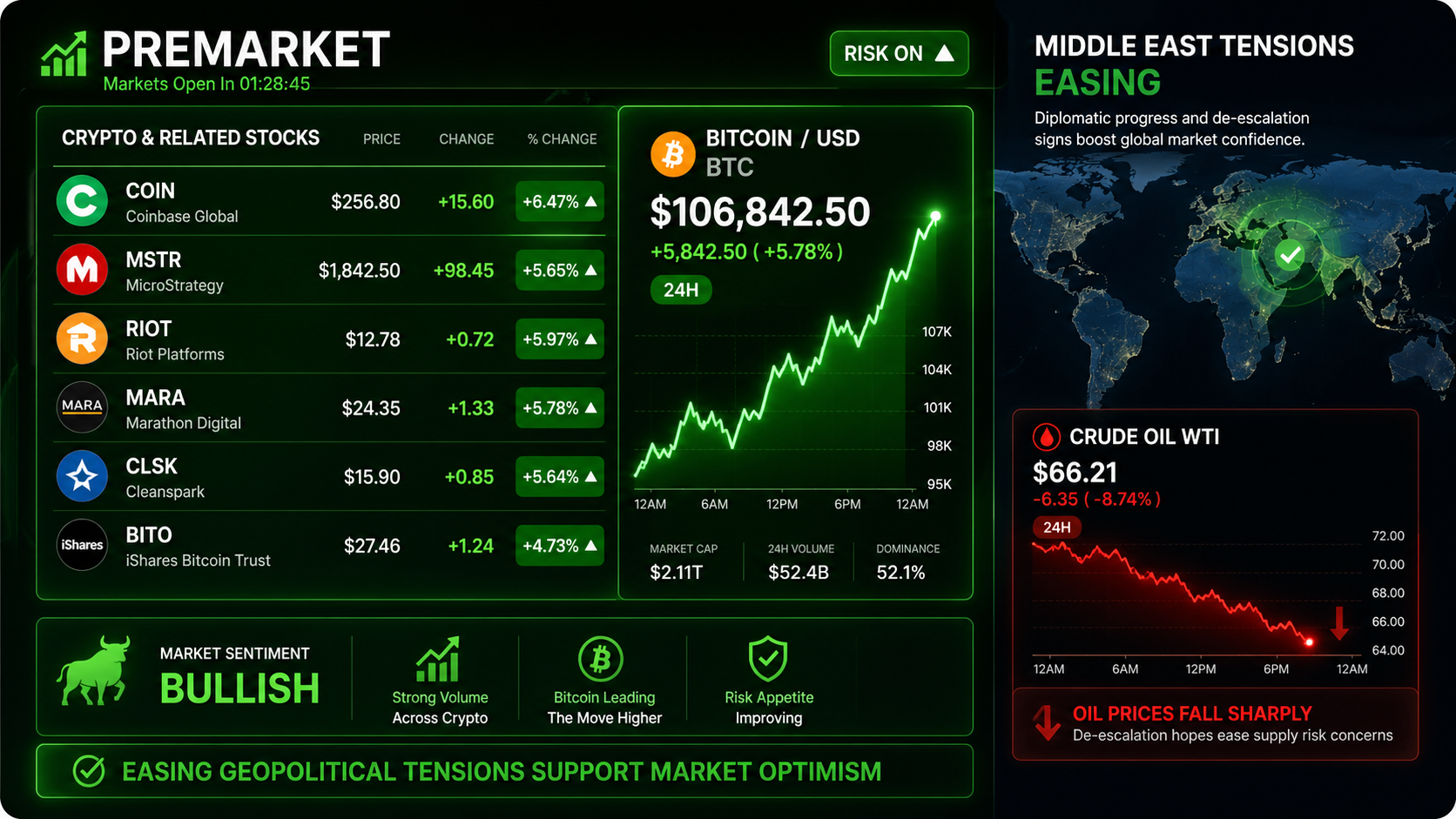
The main issue is energy. The Iran conflict helped drive a sharp jump in oil prices, and broader market reporting shows that war-related disruption in and around the Strait of Hormuz has been a major source of global risk aversion and inflation concern. That matters for crypto because higher oil prices can delay central bank easing, tighten financial conditions, and weaken appetite for risk assets across the board.
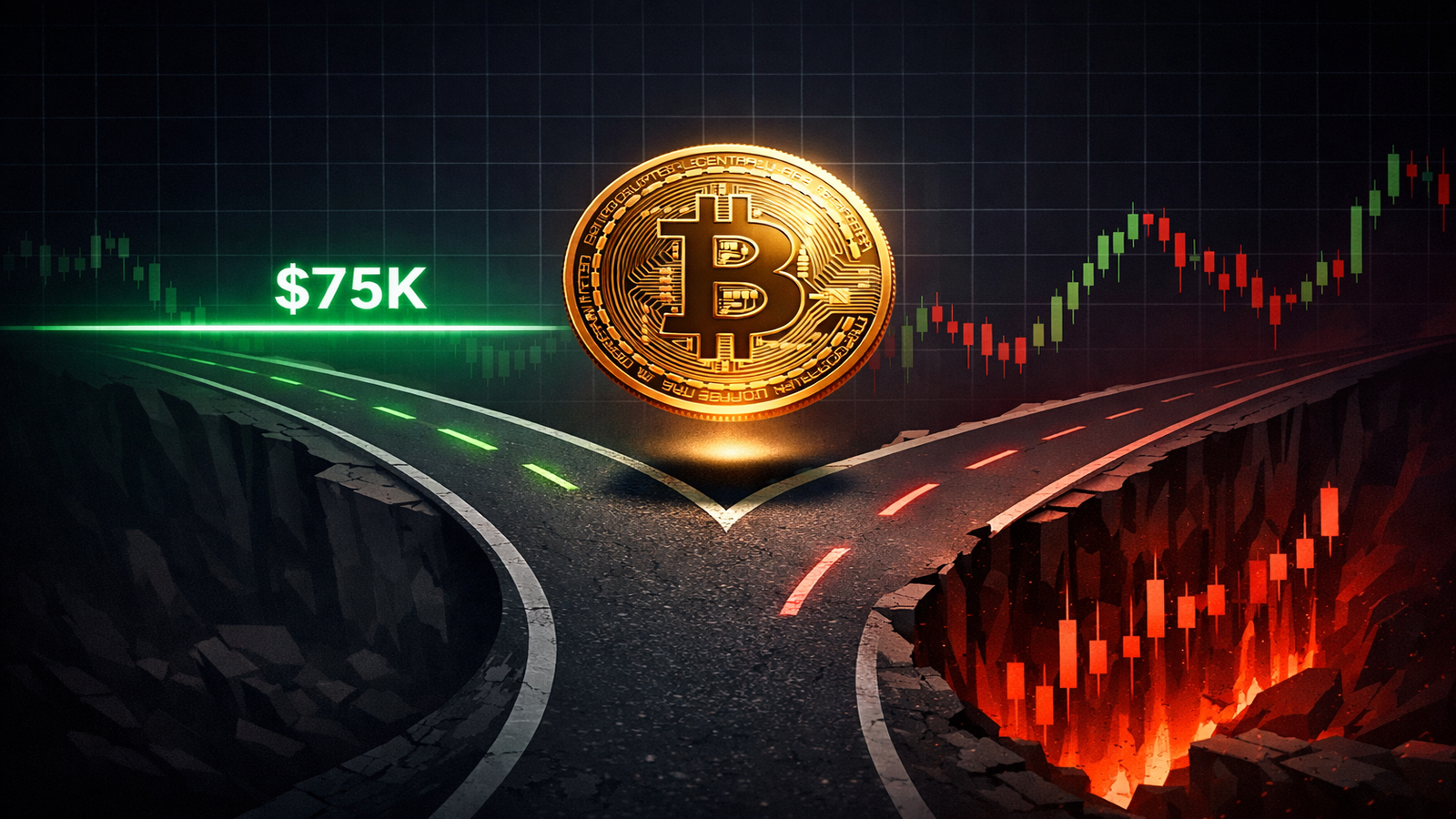
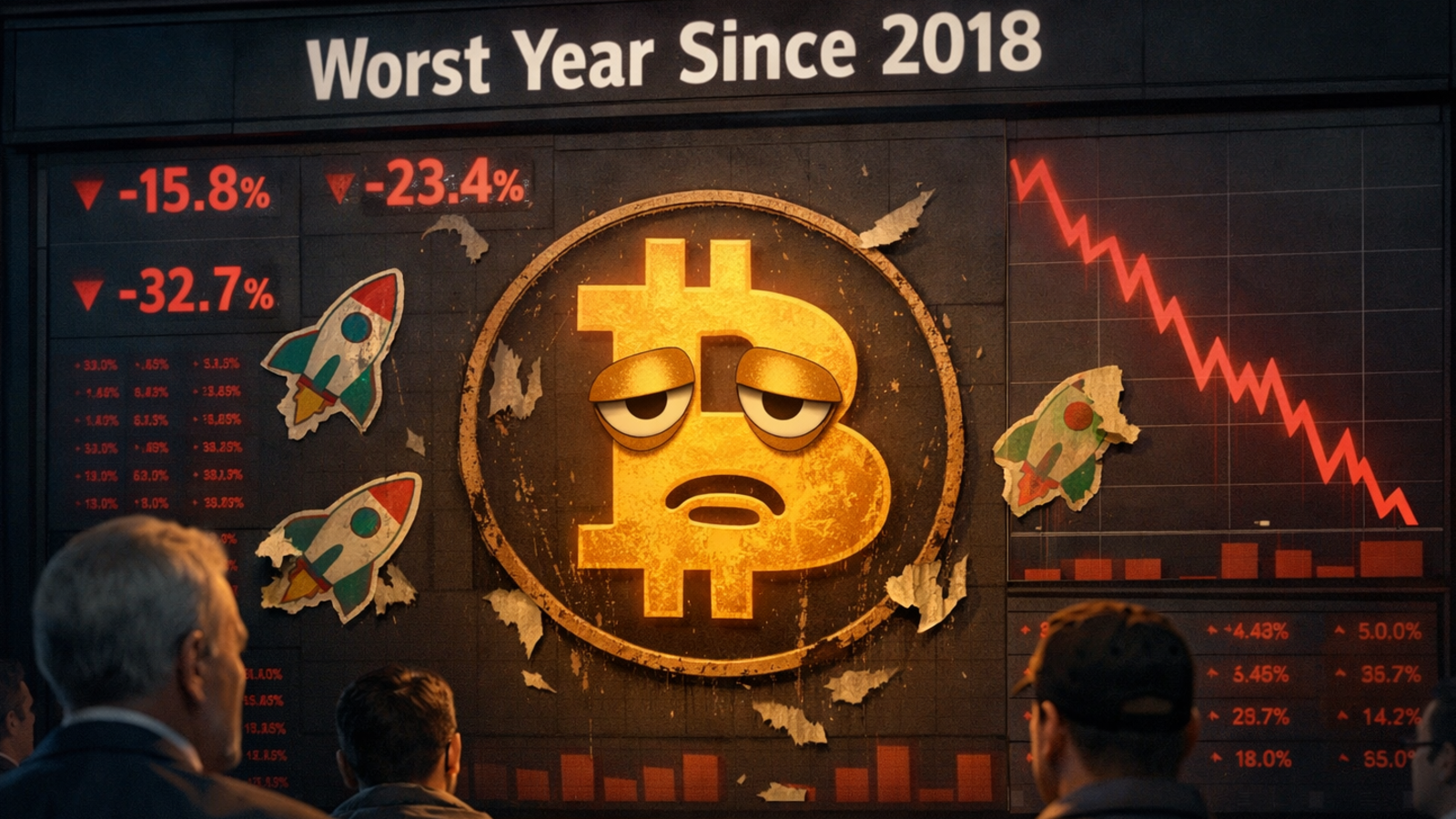
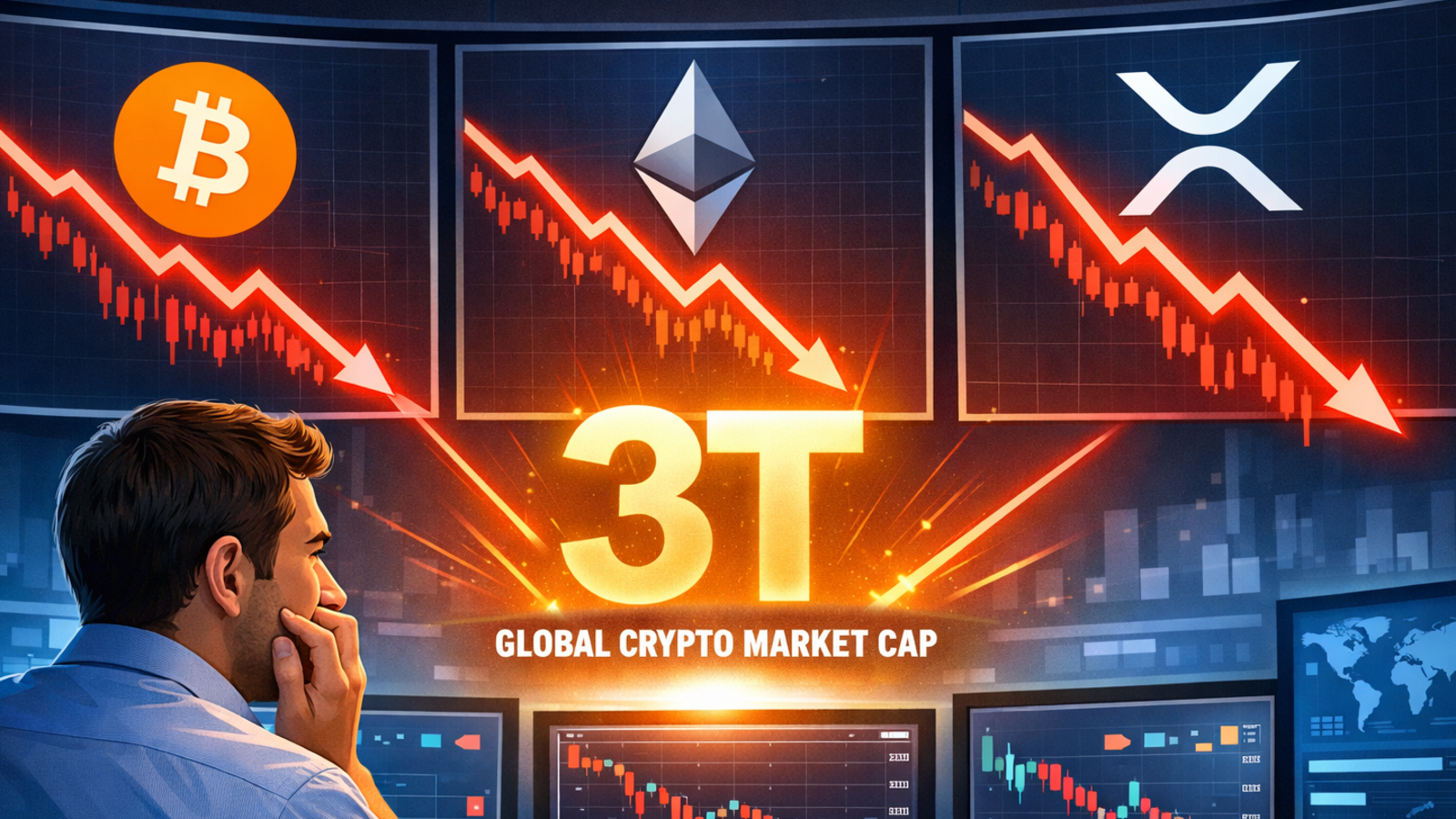
Bitcoin and the wider crypto market have not been immune, but Grayscale’s view is that performance has actually been more resilient than some investors might expect. According to summaries of the report, bitcoin initially fell into the mid 60,000 dollar range after the first escalation, later rebounded toward the low 70,000s, and then softened again as the war dragged on. Even with that volatility, crypto held up better than parts of traditional markets at points, which Grayscale reads as a sign that the asset class is not simply collapsing under pressure.
For now, though, the firm does not think investors are ready to chase aggressively. Grayscale expects many participants to stay cautious until there is clearer evidence that geopolitical risk is fading and energy markets are stabilizing. If the conflict cools and oil retreats, markets could quickly reprice toward a friendlier macro setup. If not, persistently high energy prices may continue to weigh on growth, push back rate-cut hopes, and keep crypto trapped in a hesitant range.
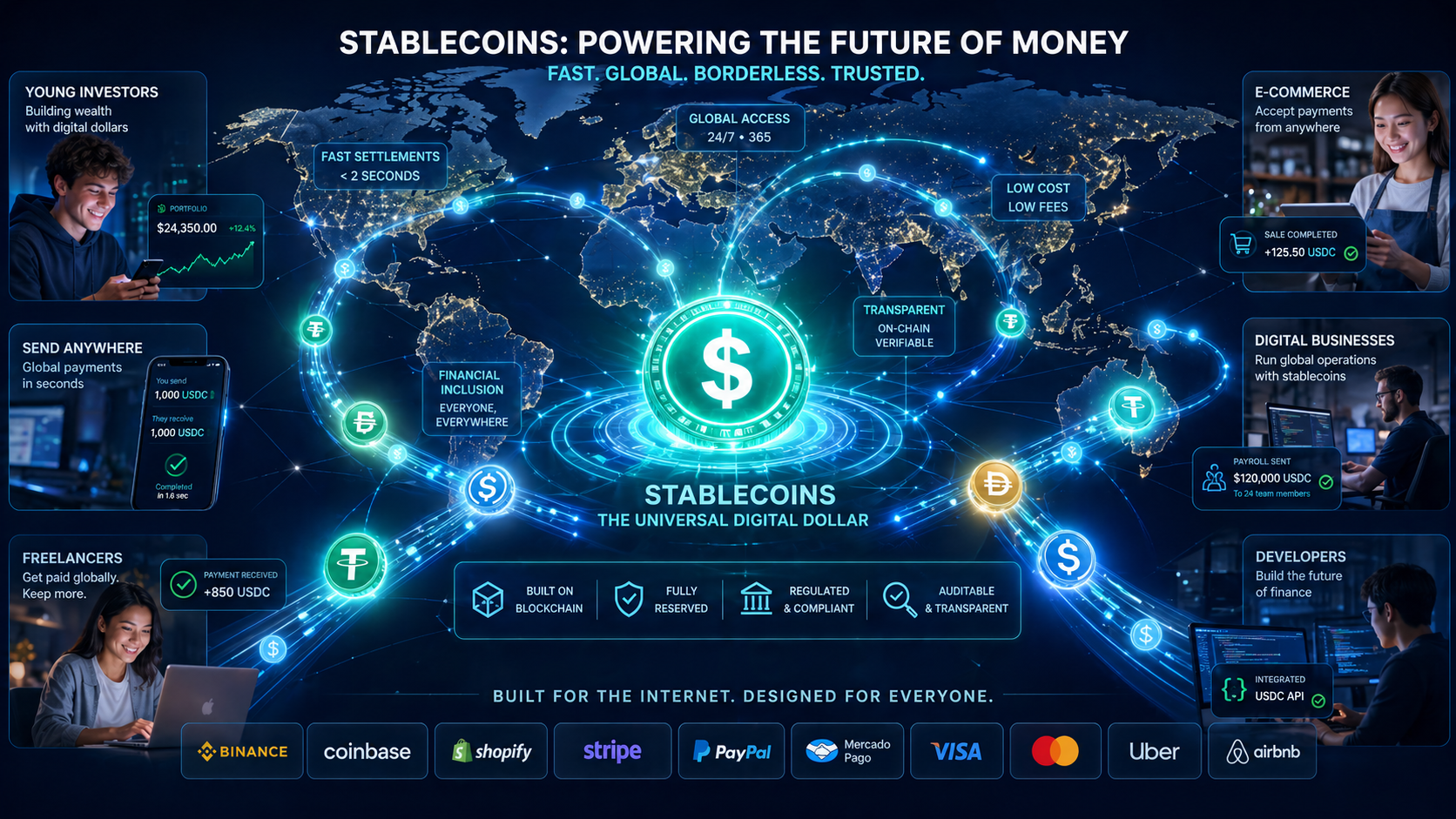
Even with that caution, Grayscale is not framing the current environment as structurally bearish for digital assets. The report argues that long-term drivers such as stablecoin adoption and tokenization are still intact, and it notes that the stablecoin market has continued to expand rapidly in recent years. In that sense, today’s uncertainty looks less like a breakdown in the crypto thesis and more like a macro delay that may eventually create attractive entry points for patient investors once the Iran and oil overhang starts to clear.






































.svg)
.svg)
.svg)
.svg)
.svg)
.svg)