
.svg)


Institutional money is not walking away from crypto. It is becoming more selective about how it enters, what it buys and which structures it trusts. A March 2026 survey from Coinbase and EY-Parthenon found that 73% of institutional investors expect to increase their digital asset allocations this year, even after the recent market turbulence. At the same time, the same research points to a clear shift in behavior: investors are putting more weight on governance, liquidity, compliance and operational controls than they did during earlier phases of adoption.
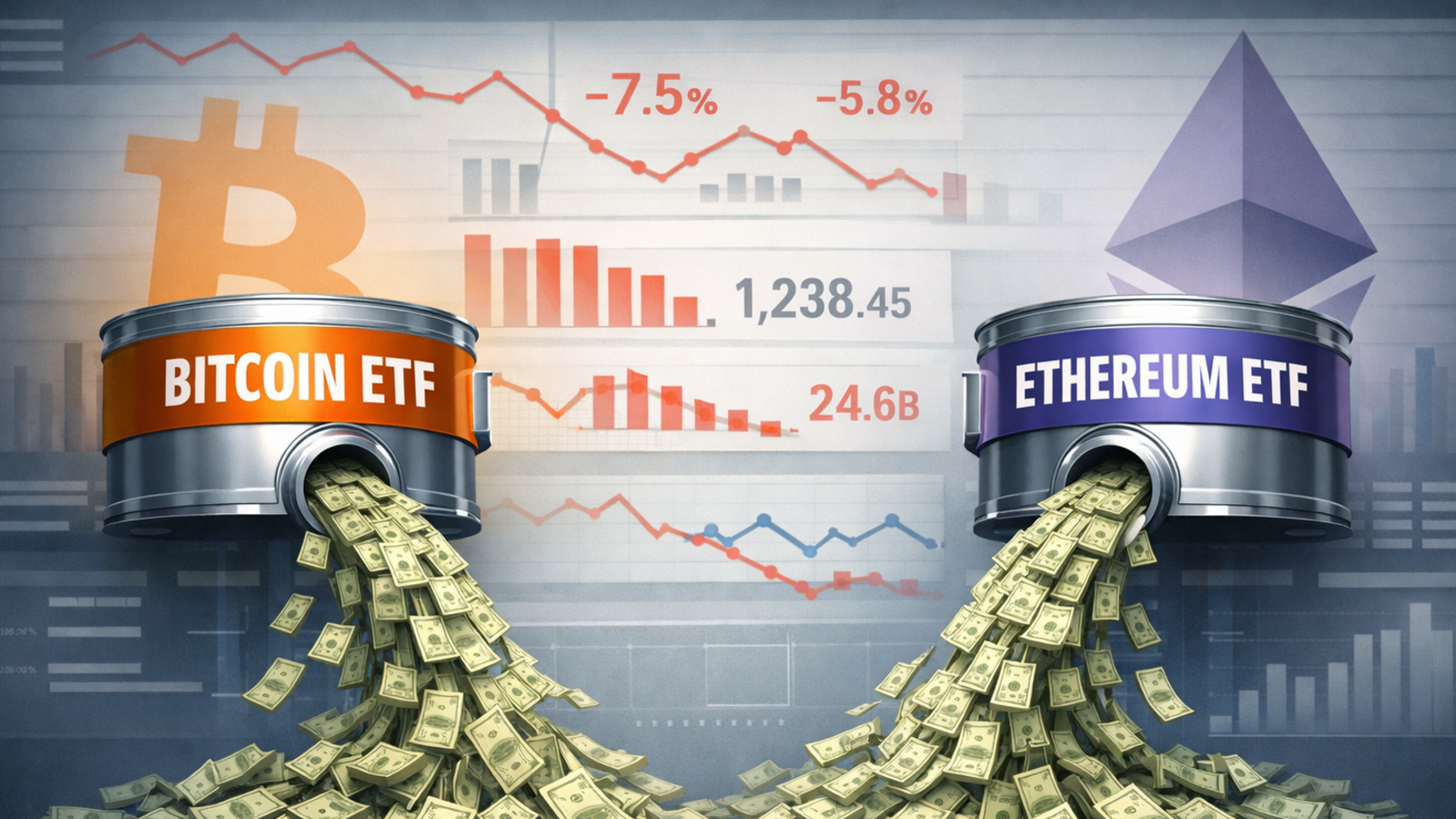
That change in tone is showing up most clearly in how institutions want exposure. Regulated access points are now the preferred route, with spot ETFs and other registered investment products becoming the main gateway for many allocators. More than 80% of respondents in the survey said they prefer regulated wrappers, which suggests that large investors are still interested in the asset class, but less willing to tolerate the custody, legal and counterparty uncertainty that defined earlier crypto cycles. In practice, the market is moving away from broad speculative participation and toward a model where credibility of structure matters almost as much as the underlying asset itself.
Risk management is also becoming more granular. The survey and related coverage indicate that institutions are focusing more heavily on liquidity planning, concentration limits, governance standards and internal controls, rather than simply asking whether crypto belongs in the portfolio at all. This does not look like retreat. It looks more like professionalization. Investors still want upside, but they increasingly want it inside frameworks that can survive compliance reviews, board scrutiny and volatile market conditions.
Another important takeaway is that institutions are no longer approaching crypto as a single undifferentiated trade. Recent research and market commentary suggest they are becoming more selective by sector, favoring areas with clearer revenue models, stronger infrastructure or more obvious long term utility. That includes interest in bitcoin as a core allocation, but also growing attention to tokenization, stablecoins, market infrastructure and applications with durable fee generation. The broad message is that institutional demand is still building, but it is no longer being deployed with the loose standards of an early bull market.
So the story is not that large investors are losing conviction. It is that conviction now comes with stricter filters. They are doubling down on crypto as a long term category, but they want cleaner vehicles, better governance and more predictable liquidity before committing larger sums. That makes the next wave of institutional adoption look less explosive than previous cycles, but potentially much sturdier if the market can meet those higher standards.
















































































.svg)
.svg)
.svg)
.svg)
.svg)
.svg)