
.svg)


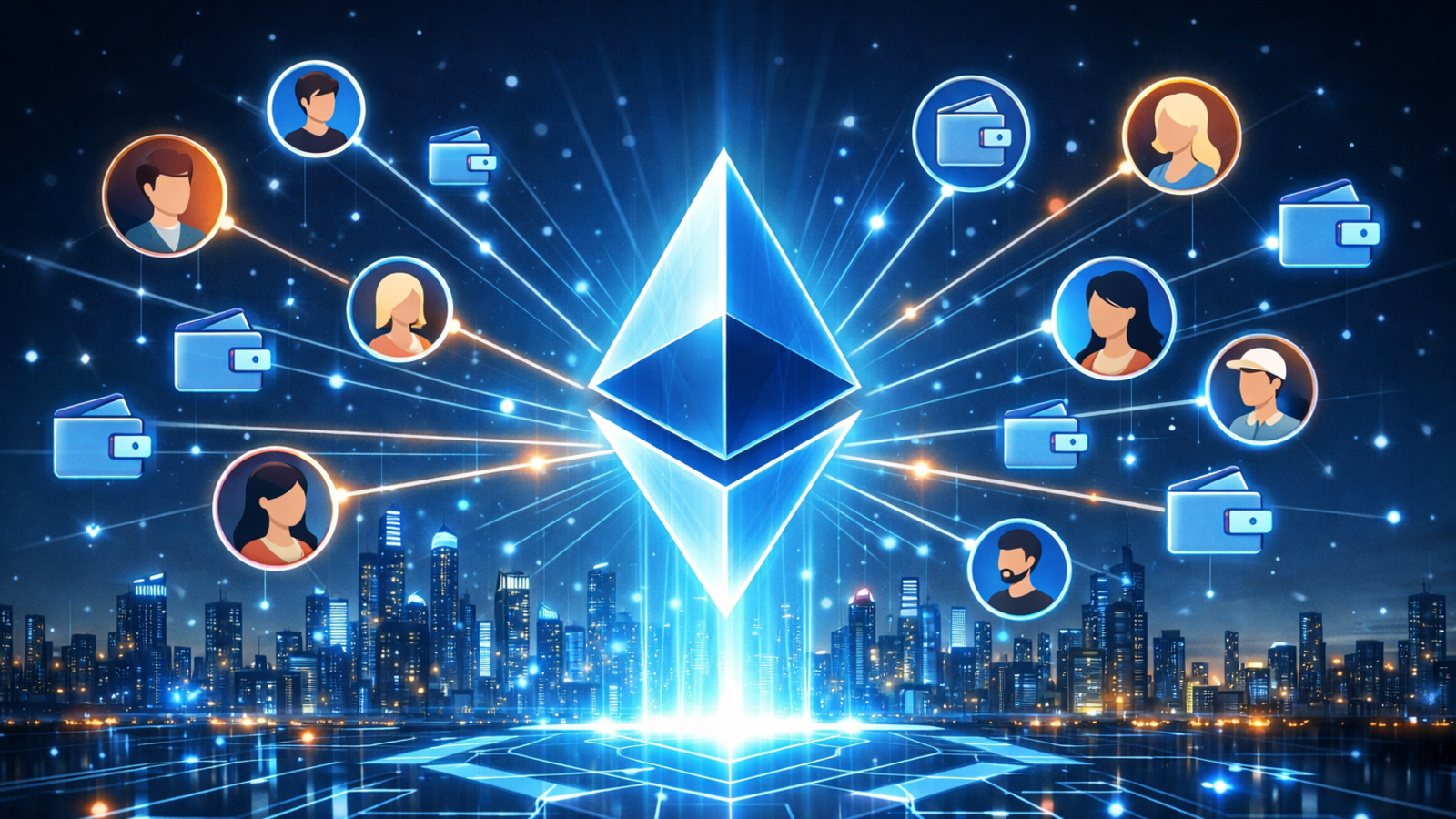
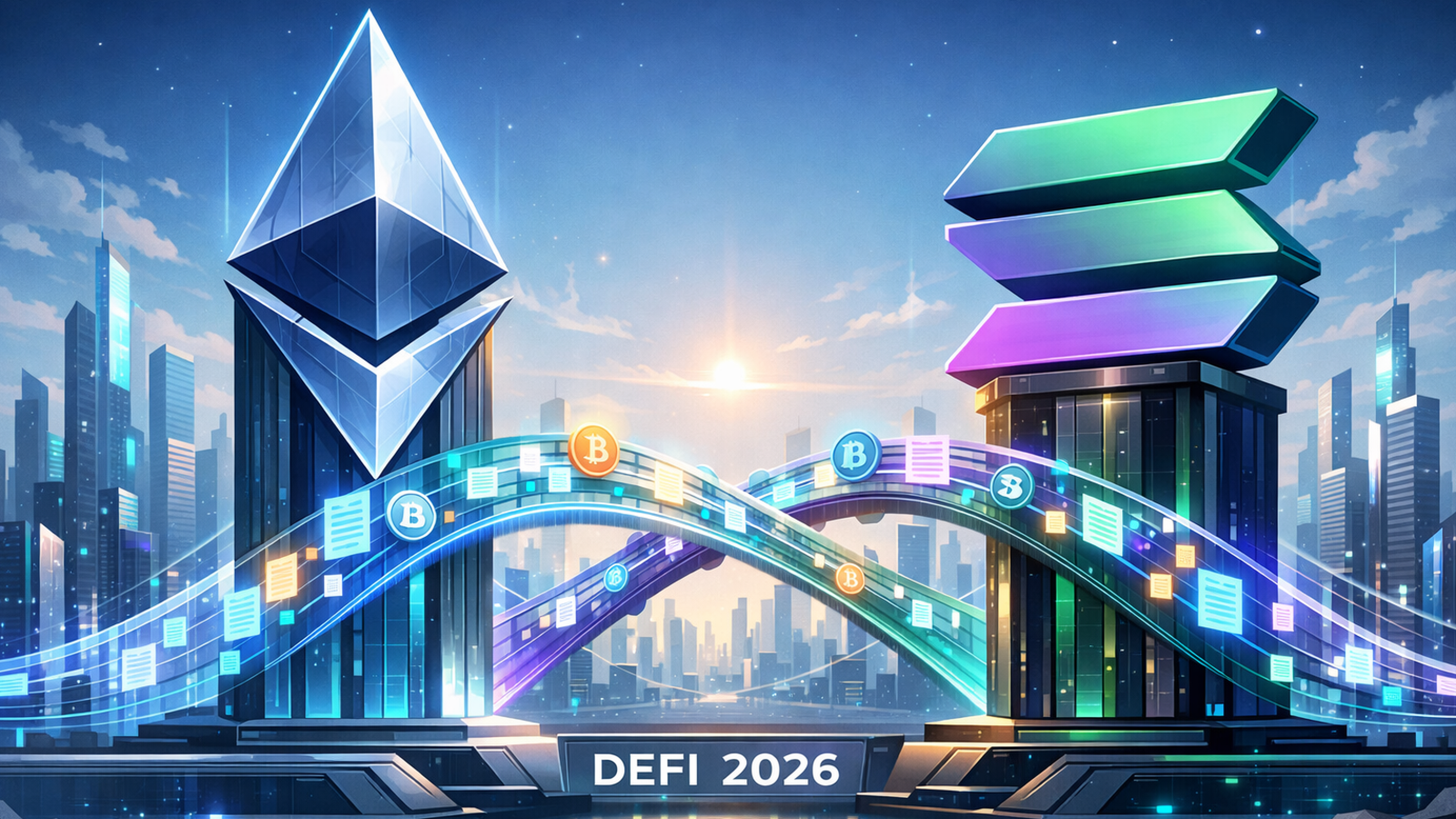
Ethereum has entered a more consequential phase than the usual cycle of upgrades and market narratives. CoinDesk’s latest Protocol analysis argues that the network is now balancing three pressures at once: how to scale without fragmenting itself, how to prepare for future quantum era security risks, and how to position itself as the settlement layer for a new wave of AI driven onchain activity. The result is not a single crisis, but a strategic test of what Ethereum is actually trying to become.
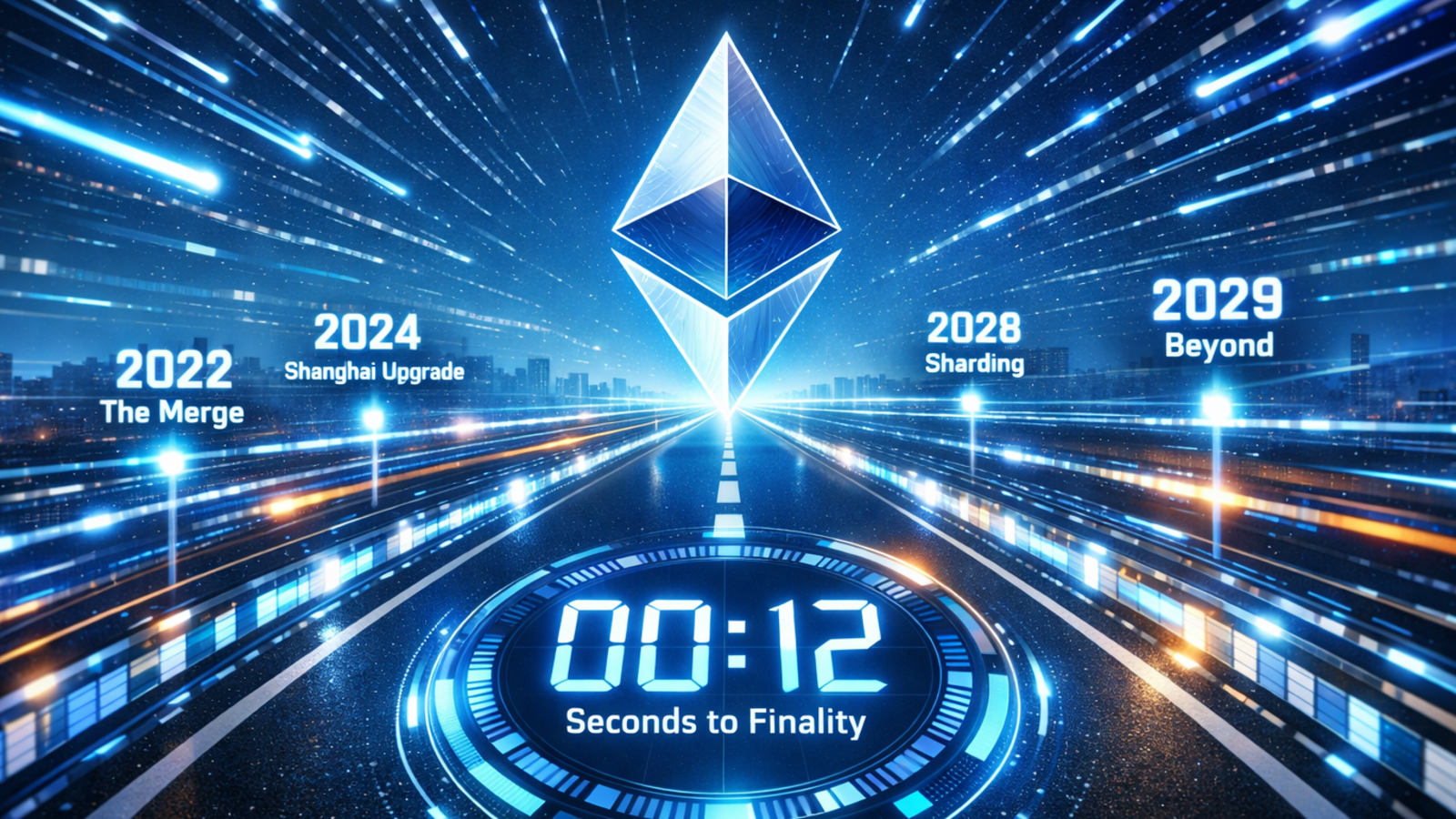
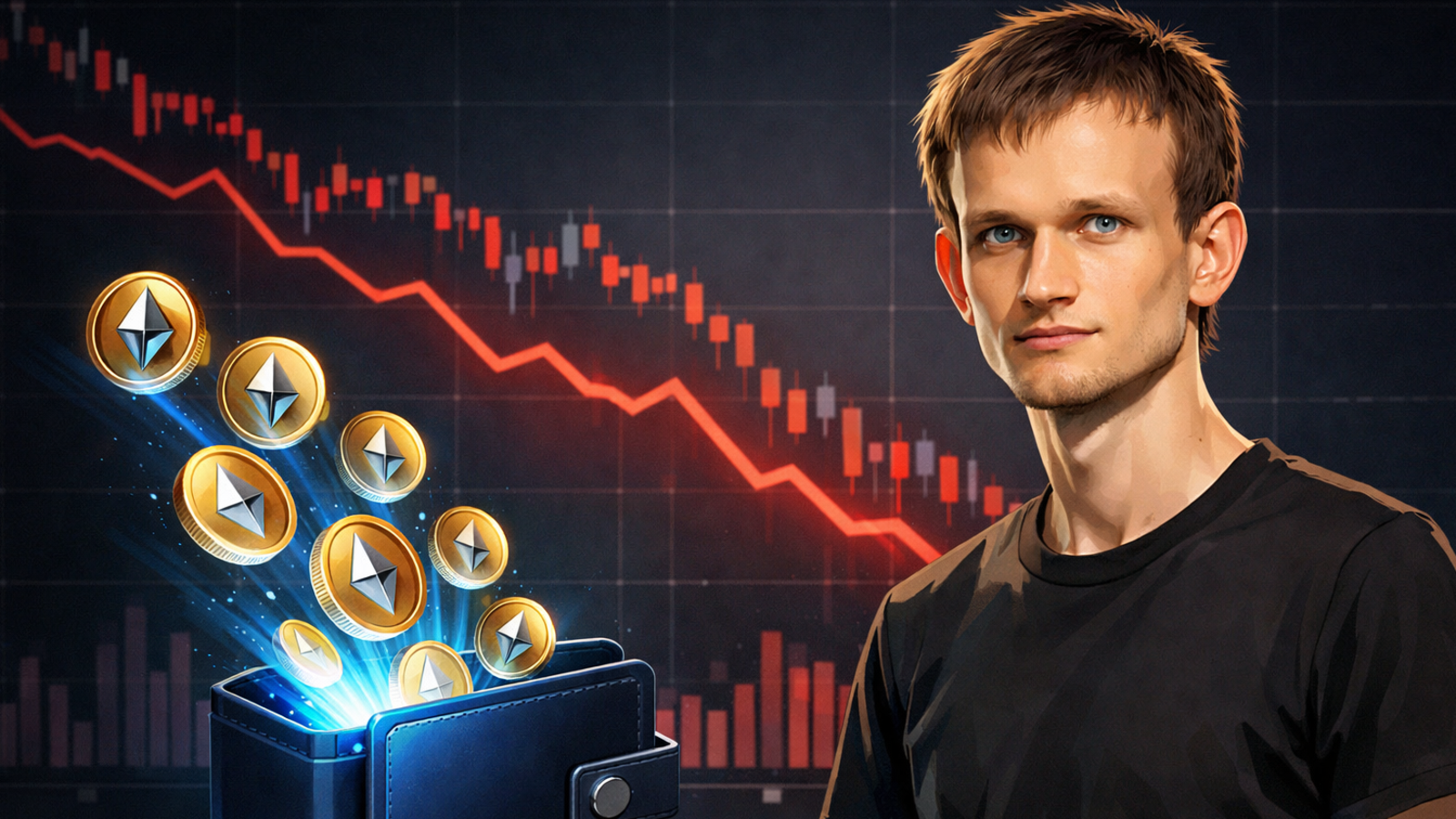
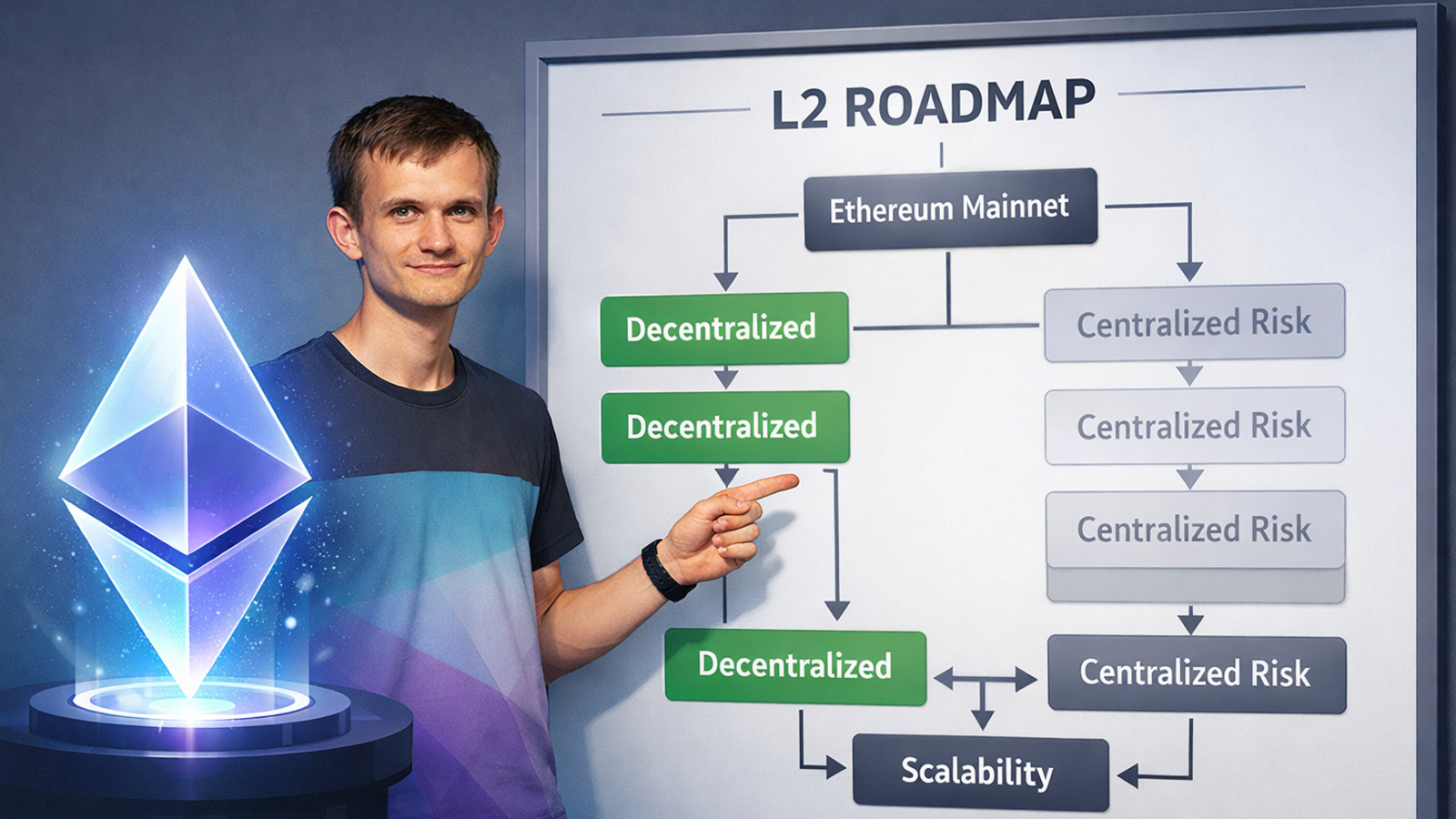
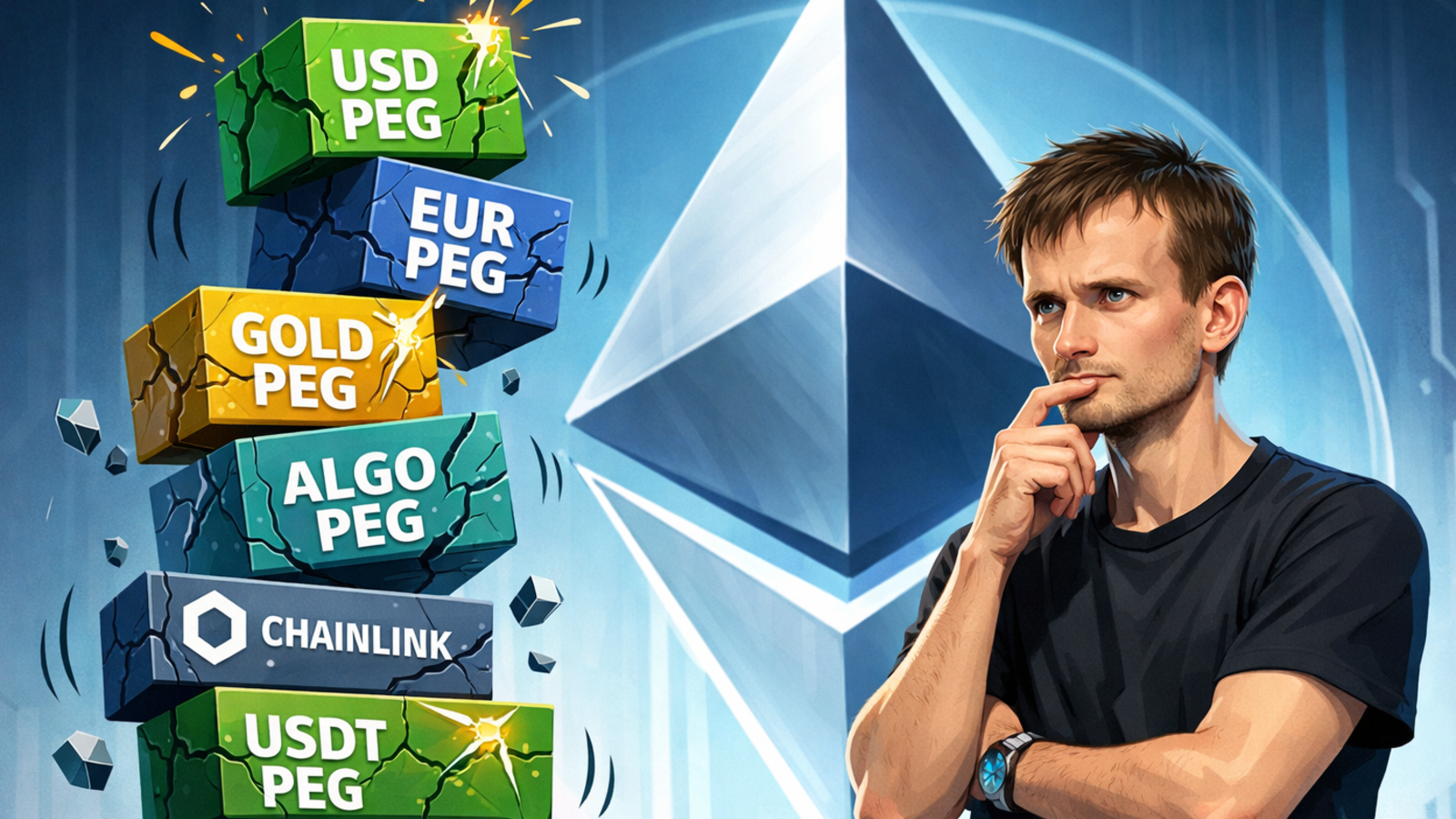
On scaling, the old assumptions are already being questioned from inside the ecosystem. Vitalik Buterin recently argued that the original rollup centric roadmap no longer fully fits reality, saying Ethereum’s base layer has improved faster than expected while many layer 2 networks have decentralized more slowly than promised. At the same time, the Ethereum Foundation has published an ambitious multi year roadmap that aims to cut finality to seconds by 2029 and sharply increase base layer performance, which signals that core developers are no longer content to leave most of the speed story to external scaling layers alone.
Security is the second pressure point, and quantum computing is part of that conversation. Recent research highlighted by Galaxy says the long term threat is real because sufficiently advanced quantum machines could eventually break the cryptography behind certain exposed wallets, especially older coins with public keys already visible onchain. But the same analysis makes clear that this is not an immediate doomsday event for the network. It is better understood as a migration and coordination challenge that will require time, technical planning and community agreement before it becomes urgent.
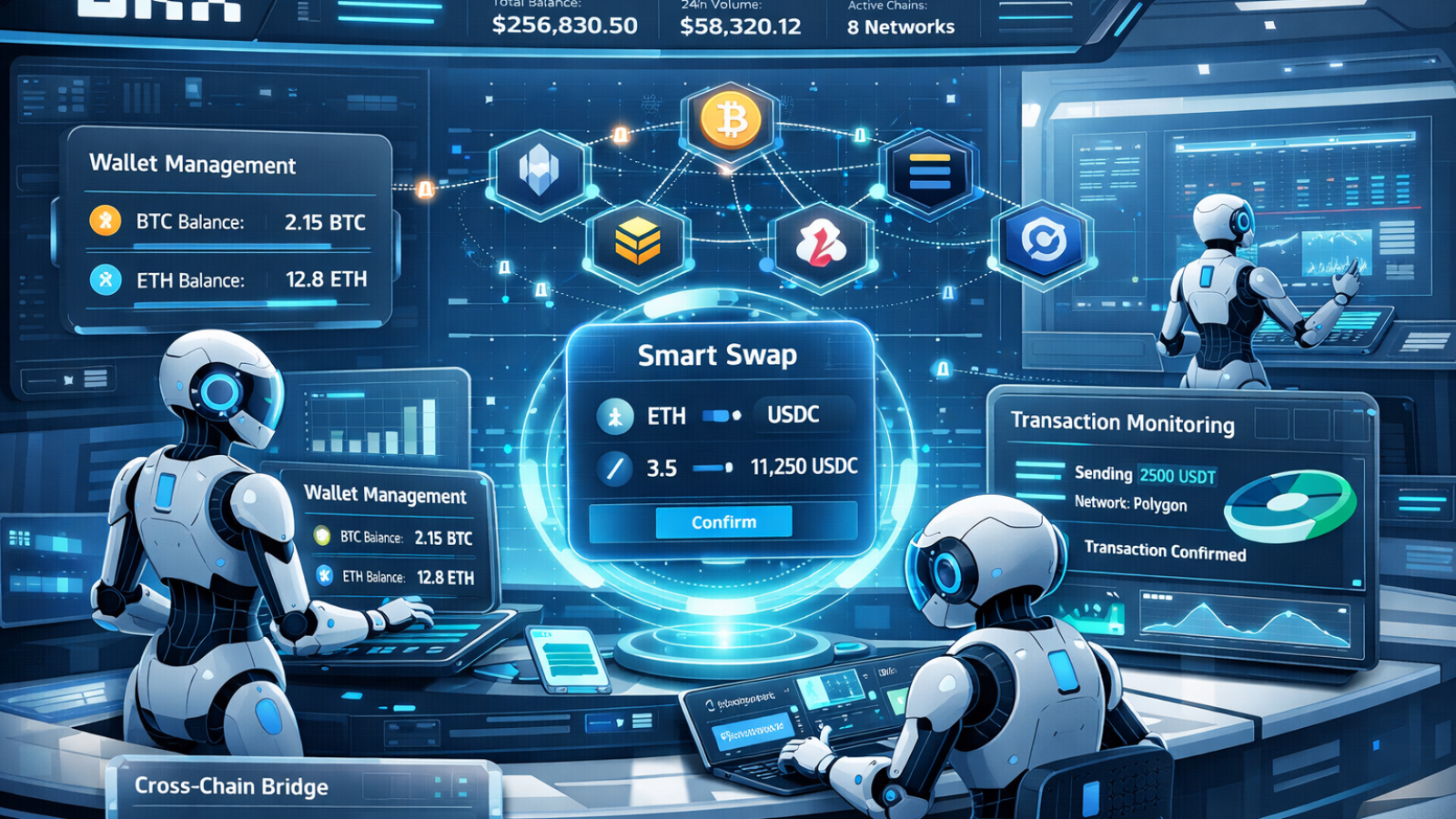
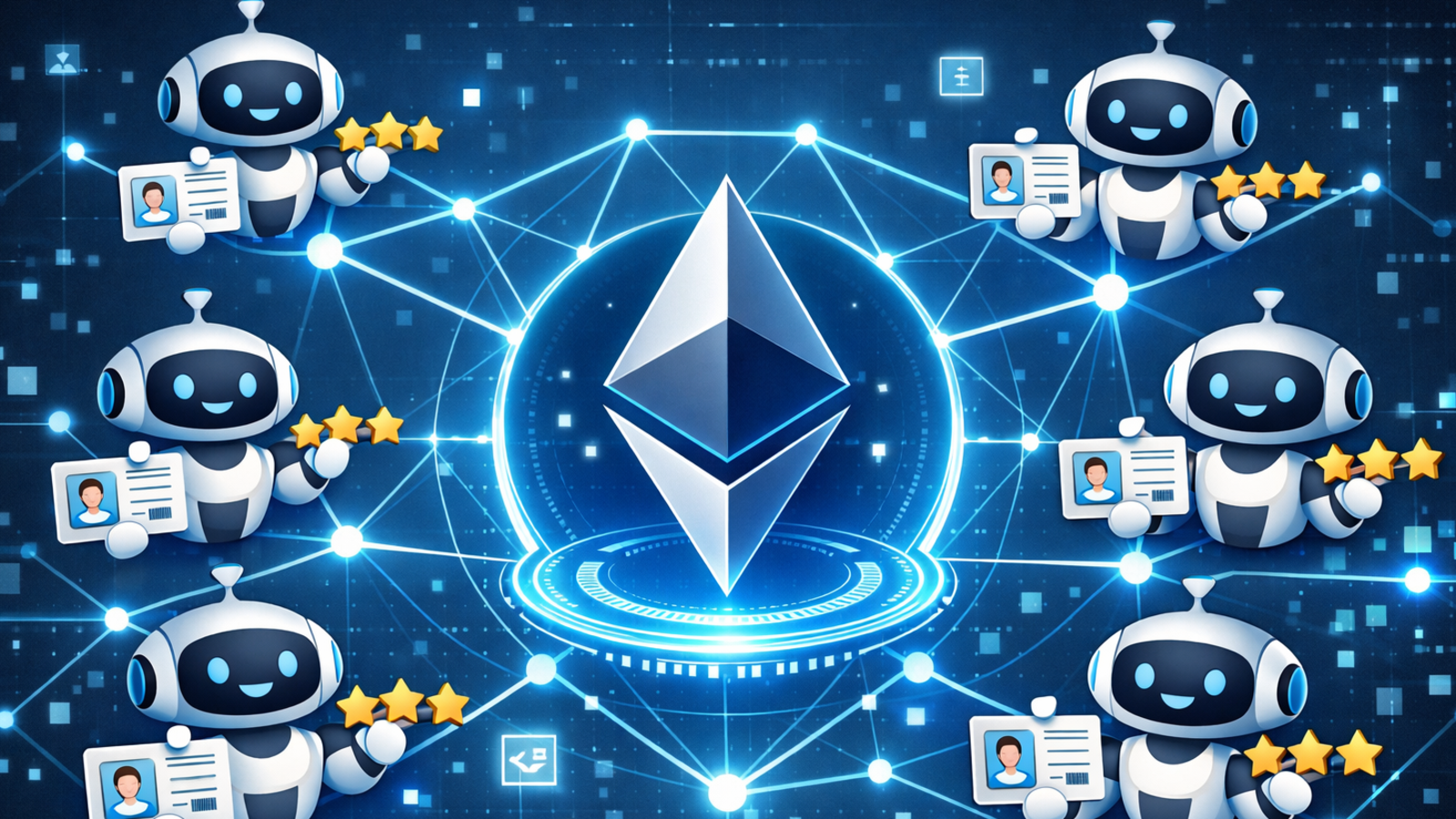
The third force is AI. Ethereum is increasingly being discussed not just as infrastructure for DeFi and token transfers, but as a base for machine to machine payments, agent identities and autonomous economic activity. Coinbase’s own materials on Base show that major Ethereum aligned ecosystems are already building agent focused wallets, payment standards and chain upgrades aimed at helping software agents transact directly onchain. That creates opportunity for Ethereum, but also adds pressure for the network to become cheaper, faster and easier for automated systems to use at scale.
Taken together, these trends make this moment unusually important for Ethereum. The chain is not simply choosing between “scale more” or “upgrade later.” It is deciding how much performance to pull back into layer 1, how seriously to treat future cryptographic risk, and whether it can become the trusted economic layer for both human users and autonomous agents. That is why CoinDesk frames the current stretch as a make or break moment. Ethereum still has the developer base, institutional interest and research depth to shape the next phase of crypto, but it now has to prove it can align those strengths into a coherent direction instead of letting the ecosystem pull apart under competing priorities.


















































.svg)
.svg)
.svg)
.svg)
.svg)
.svg)