
.svg)


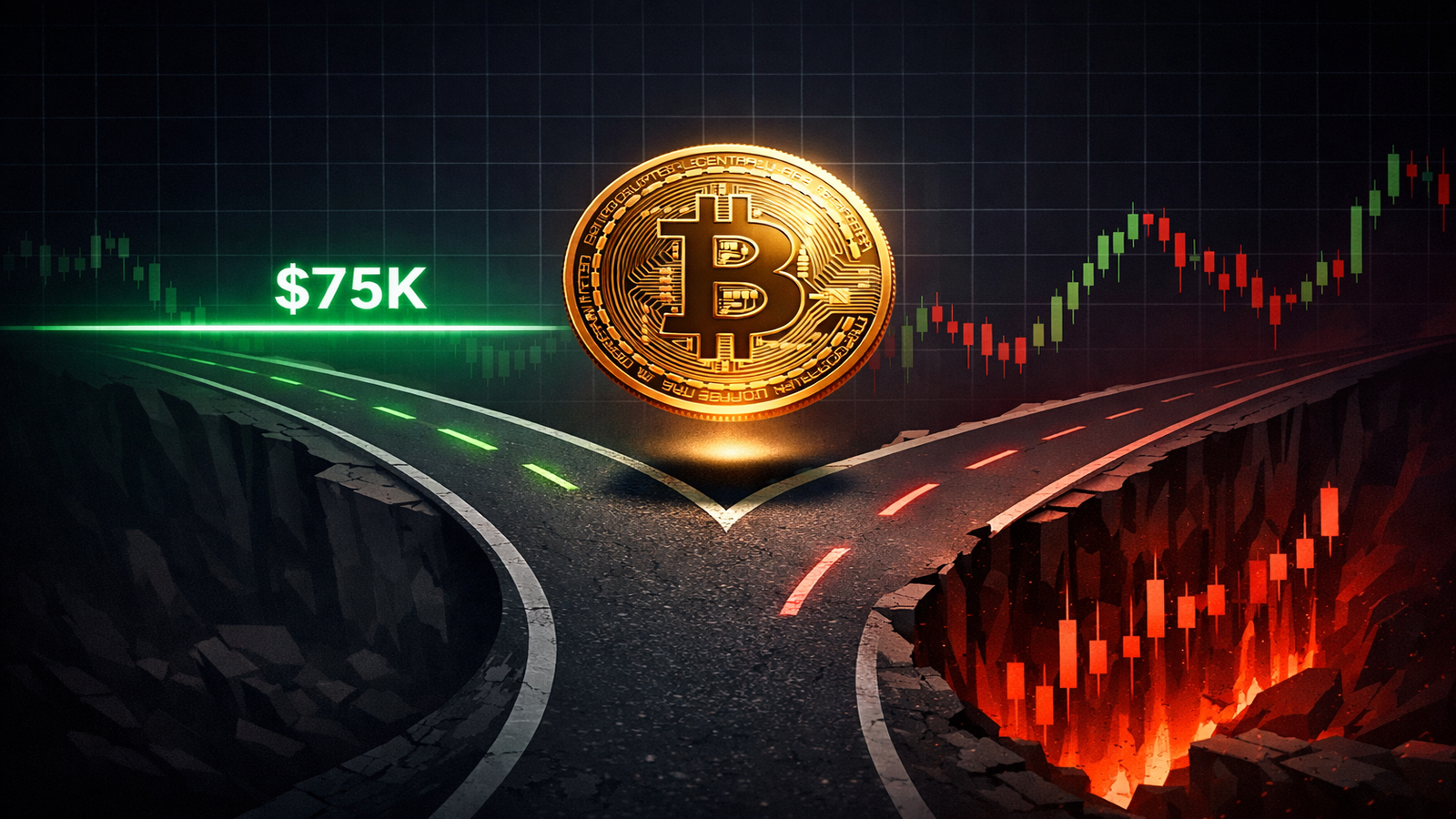
Bitcoin pushed up toward 75,000 dollars again, but the move ran out of steam even as the Nasdaq and S&P 500 climbed to new all-time highs. CoinDesk reported that BTC was trading around 75,134 dollars, up about 1.45% over 24 hours, yet still unable to break through a level that has repeatedly capped gains in recent months. That left crypto lagging behind a broader risk-on move in U.S. equities rather than fully joining it.
The contrast with Wall Street was sharp. Reuters reported that on April 15 the S&P 500 rose 0.80% and the Nasdaq climbed 1.60%, with both indexes setting intraday and closing records as investors responded positively to corporate earnings and hopes for progress in U.S.-Iran negotiations. Strong moves in names like Bank of America, Morgan Stanley and Broadcom helped power the rally, reinforcing the idea that equities were benefiting from a clearer earnings narrative than crypto at that moment.
Bitcoin’s hesitation suggests that improving macro sentiment alone was not enough to force a breakout. While stocks were getting support from corporate results and optimism around geopolitics, BTC still appeared trapped in a range, with traders unwilling to chase it decisively above 75,000 dollars. CoinDesk’s framing implied that crypto-linked equities were able to ride the broader relief mood more effectively than bitcoin itself, which points to a market still looking for a stronger catalyst than just equity strength.
That matters because bitcoin is often described as a high-beta expression of risk appetite. On this occasion, it did not fully behave that way. Stocks were surging to records, but bitcoin remained pinned below resistance, which suggests either fading momentum, heavier overhead supply, or simply a more cautious stance from crypto traders after months of choppy macro-driven price action. The result was a session where traditional markets looked euphoric, while BTC still looked constrained.
The main takeaway is that the market mood was positive, but crypto was not leading it. For bitcoin to turn that 75,000 dollar ceiling into a real breakout, it would likely need a fresh trigger strong enough to pull in more committed buying than the stock rally alone could provide. Until then, the divergence remains notable: Wall Street was celebrating new highs, while bitcoin was still stuck proving it could join the party.




































































.svg)
.svg)
.svg)
.svg)
.svg)
.svg)