
.svg)

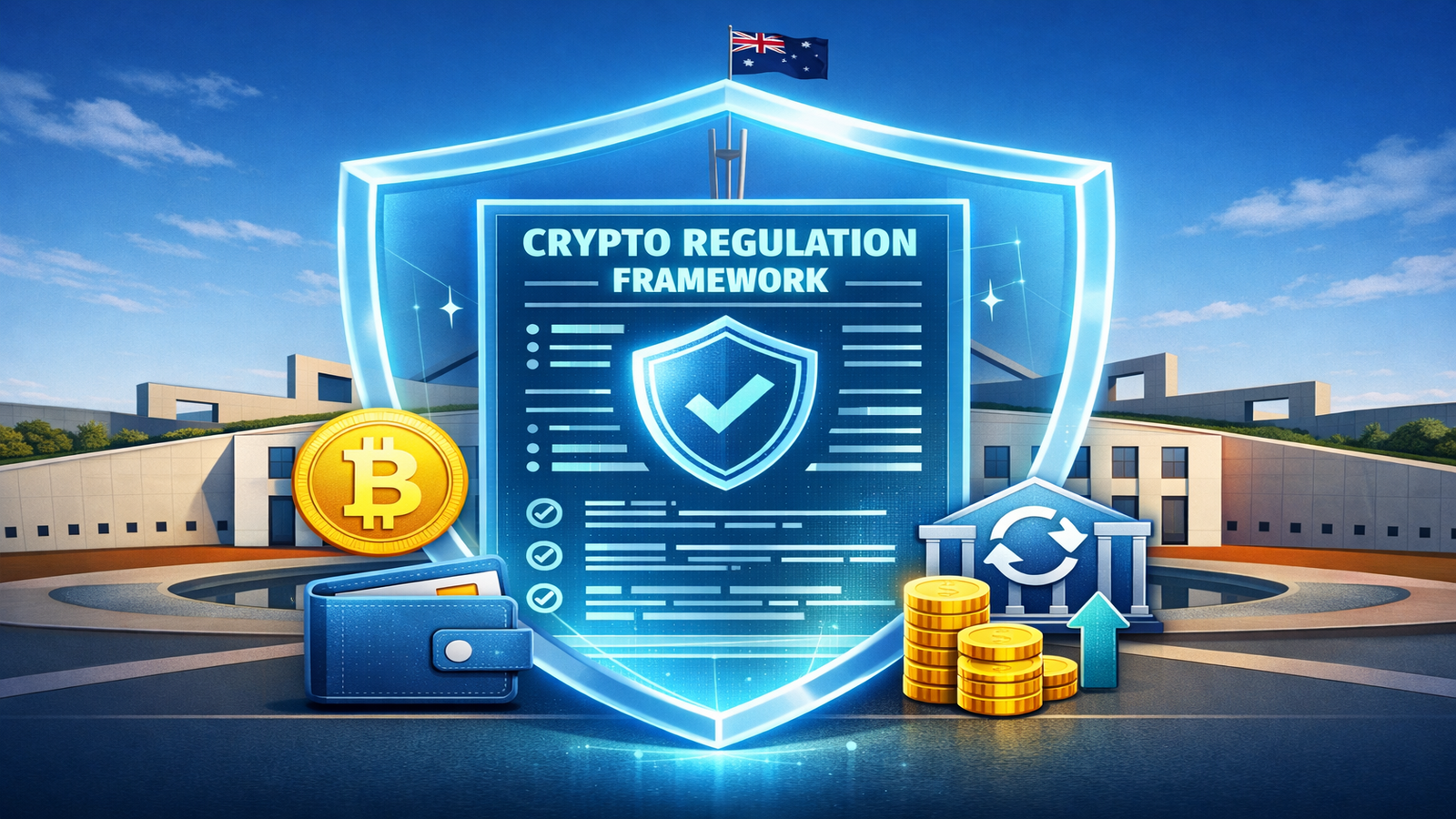
Australia has taken another step toward formal crypto oversight after a Senate committee backed legislation designed to pull digital asset businesses into the country’s mainstream financial regulatory system. The Senate Economics Legislation Committee recommended advancing the Corporations Amendment (Digital Assets Framework) Bill 2025, describing it as a meaningful upgrade to the way Australia supervises crypto platforms and related services.
At the center of the proposal is a licensing regime for firms that run crypto trading venues, custody services or other businesses that manage customer digital assets. Instead of treating the sector as a separate or loosely defined corner of finance, the bill would place these activities under Australia’s existing financial services architecture and extend traditional compliance expectations to digital asset operators.
Supporters of the framework say that approach could finally give the market clearer rules after years of uncertainty. The committee said the bill would modernize oversight while preserving technology neutrality, which is important in a sector where lawmakers want stronger consumer safeguards without writing laws so narrow that they become obsolete quickly. Industry submissions cited in coverage of the report were broadly supportive of the attempt to create a clearer system for crypto businesses.
The legislation is still not law, and that distinction matters. The committee’s endorsement does not automatically put the framework into force, but it does increase the bill’s momentum inside Parliament. If it eventually passes, crypto platforms and custody providers would have to operate more like conventional financial firms, including meeting licensing and compliance requirements rather than relying on the lighter treatment that has often characterized the sector.
For Australia, the bigger significance is strategic. Policymakers have been under pressure to provide a more coherent digital asset framework so the country does not fall behind other jurisdictions that are moving faster on licensing, token classification and custody standards. The Senate committee’s backing suggests Canberra is edging closer to that goal, even if the final shape of the rules will depend on what happens when the bill moves through the rest of the legislative process.




































































































.svg)
.svg)
.svg)
.svg)
.svg)
.svg)