
.svg)


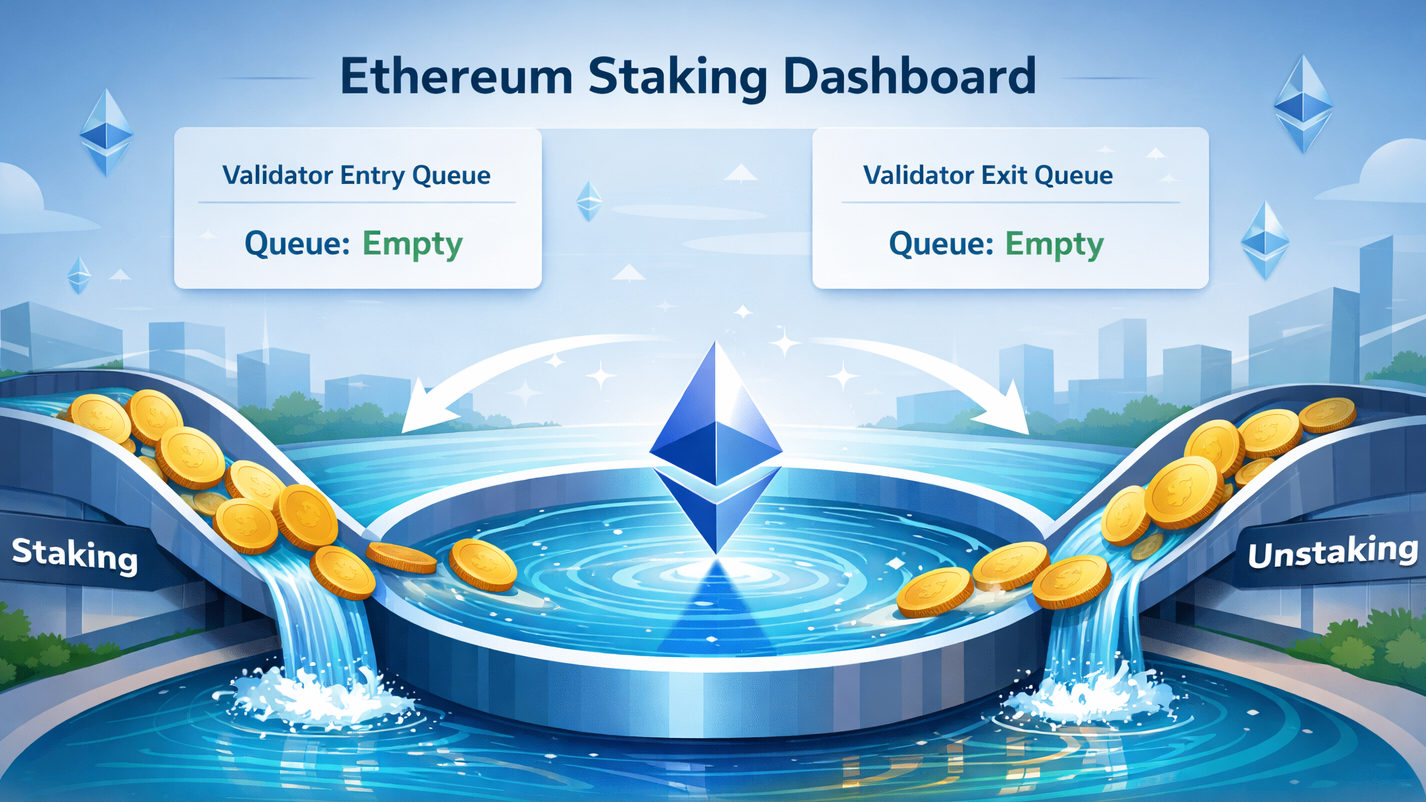
The Ethereum Foundation has added another large chunk of ether to its staking program, depositing about 20,470 ETH, worth roughly $42 million at the time, into the Beacon Chain. The move extends a treasury strategy announced earlier in 2026, when the foundation said it planned to stake up to 70,000 ETH instead of leaving such a large reserve idle.
What makes the deposit notable is not only the size, but the signal behind it. Rather than relying as heavily on direct treasury sales, the foundation is increasingly trying to generate operating income from staking rewards. Based on the ether staking rate referenced in the coverage, the newly staked coins were expected to earn about 2.7% annually, lower than earlier in the year but still meaningful for an organization funding research, grants and ecosystem development.
The transfers were made in coordinated batches from Ethereum Foundation-linked wallets, according to onchain tracking reports. After the move, the foundation still reportedly held around 147,400 ETH in treasury, worth roughly $303 million at the time, which means it retained substantial flexibility for future allocations. In other words, this was a major staking step, but not a full commitment of reserves.
The broader market read the action as a sign of long term alignment with Ethereum’s proof-of-stake model. Staking removes some liquid ETH from immediate circulation, strengthens validator participation, and shows the foundation is willing to lock up part of its own balance sheet rather than simply hold it passively. That does not automatically change ETH’s short term price trend, but it does reinforce the idea that the foundation wants its treasury to support the network more actively.
This deposit also fits into a larger sequence. Just a few days later, reports showed the foundation had staked another much larger amount and was nearing its full 70,000 ETH target, suggesting the $42 million allocation was one step in a broader execution plan rather than a one-off event. Taken together, the pattern points to a quieter but important shift in Ethereum Foundation treasury management: less dormant ETH, more yield generation, and a clearer attempt to fund operations through the network’s own staking economics.






























































































.svg)
.svg)
.svg)
.svg)
.svg)
.svg)